The field is rapidly expanding, propelled by visionary policymakers and scientists like the four profiled here. The next few years will be pivotal for building sustainable, impactful wastewater programs globally.
Megan DiamondDirector, Health InitiativeThe Rockefeller Foundation
Meet here four of the women leading efforts around the globe, two whose endeavors are supported by The Rockefeller Foundation, and two who have been advisors.
1. Bangladesh: Monitoring Pathogens in a Congested Refugee Camp
As a child, Dr. Farjana Jahan found heroes in the likes of American inventor Thomas Edison and scientist Sir Jagadish Chandra Bose from her native Bangladesh. “In my heart, I wanted to be a scientist.”
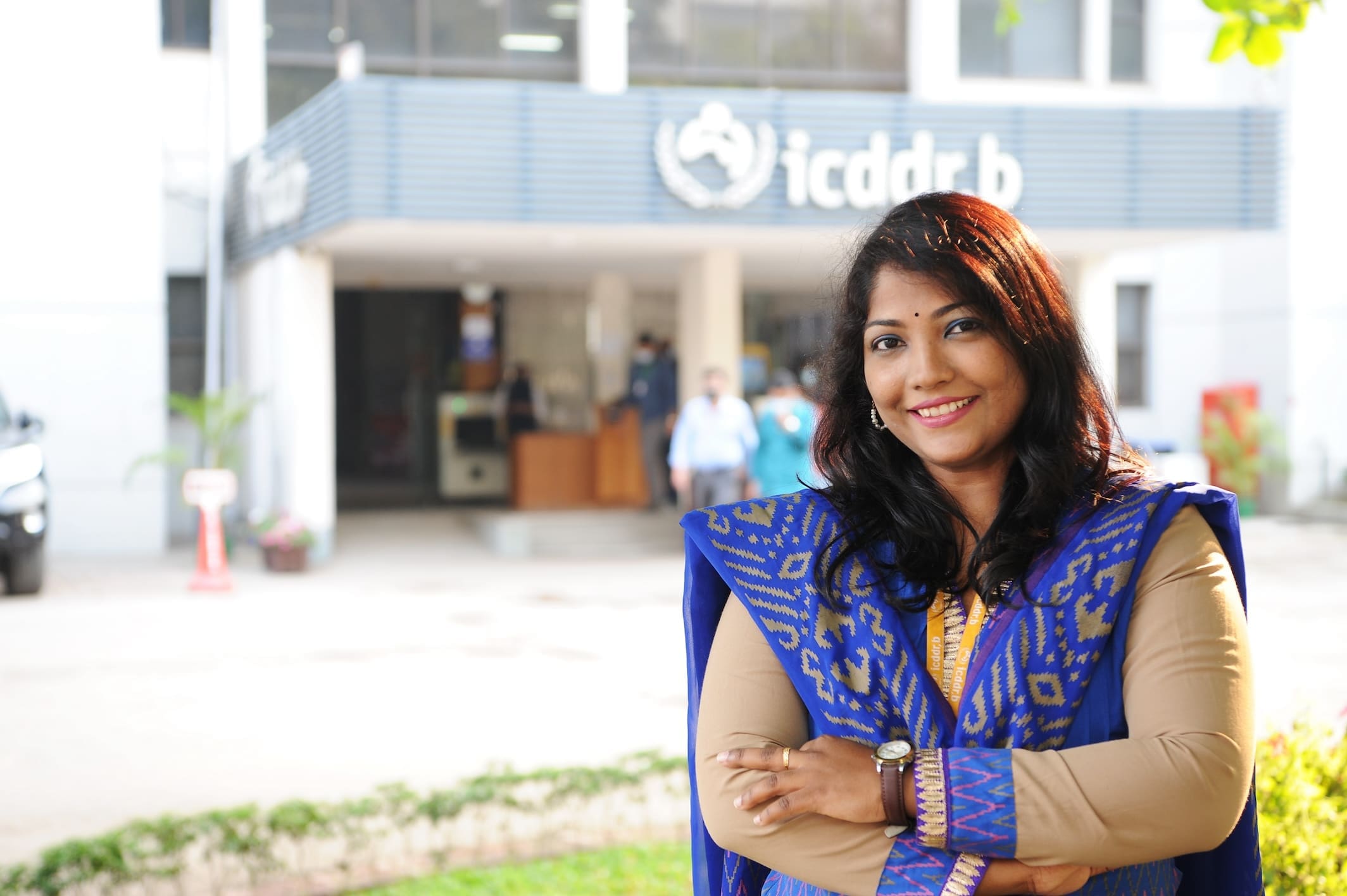
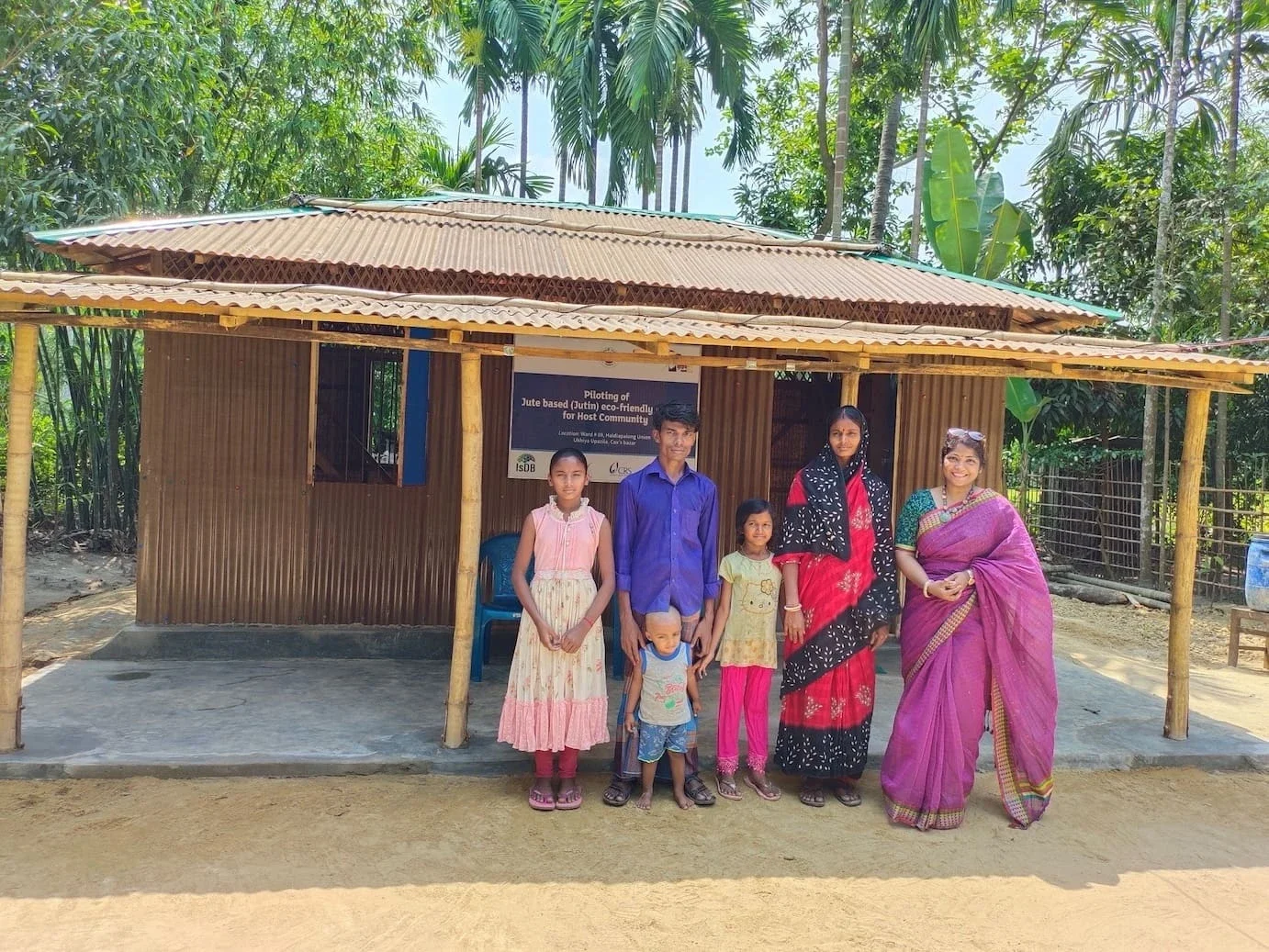
Dr. Farjana Jahan in front of her office. (Photo Courtesy of Dr. Jahan)
Familial expectations nudged her toward a different path. “My parents said the character traits required for being a scientist were not ideal for a woman,” she recalled. Dutifully, she earned her medical degree. She started her post-graduation to specialize in pediatrics.
Still, she couldn’t relinquish that childhood dream. So she added on to her degrees as an epidemiologist. Now, as a scientist at the Environmental Health and WASH group in International Center for Diarrhoeal Disease Research, Bangladesh (icddr,b), she is helping lead wastewater monitoring in Cox’s Bazar, where nearly one million displaced Myanmar Nationals live in the world’s largest refugee camp.
2. Tunisia: The Power of Partnerships
With the nuanced touch of a translator, Fatma Guerfali creates and fosters global wastewater surveillance coalitions.
A researcher, trainer and biologist with the Institut Pasteur de Tunis, she scoffs at the notion of sticking to one’s lane. Progress and innovation thrive when silos are broken, she believes.
Starting from the conviction that wastewater disease surveillance is critical to low- and middle-income countries, she helps build clinical capacity on the African continent, while also coaxing scientists and researchers into collaborating and then bridging the gap between scientists and policymakers that can impede the application and scaling of breakthroughs.
“Wastewater surveillance can be a really impactful solution for those of us who live in low-resourced countries. Why should we cope with these challenges individually?” she said. “I deeply believe that without efficient and proactive networking, we can’t accomplish much. So let’s sit together, find a common language, and develop bottoms-up approaches.”
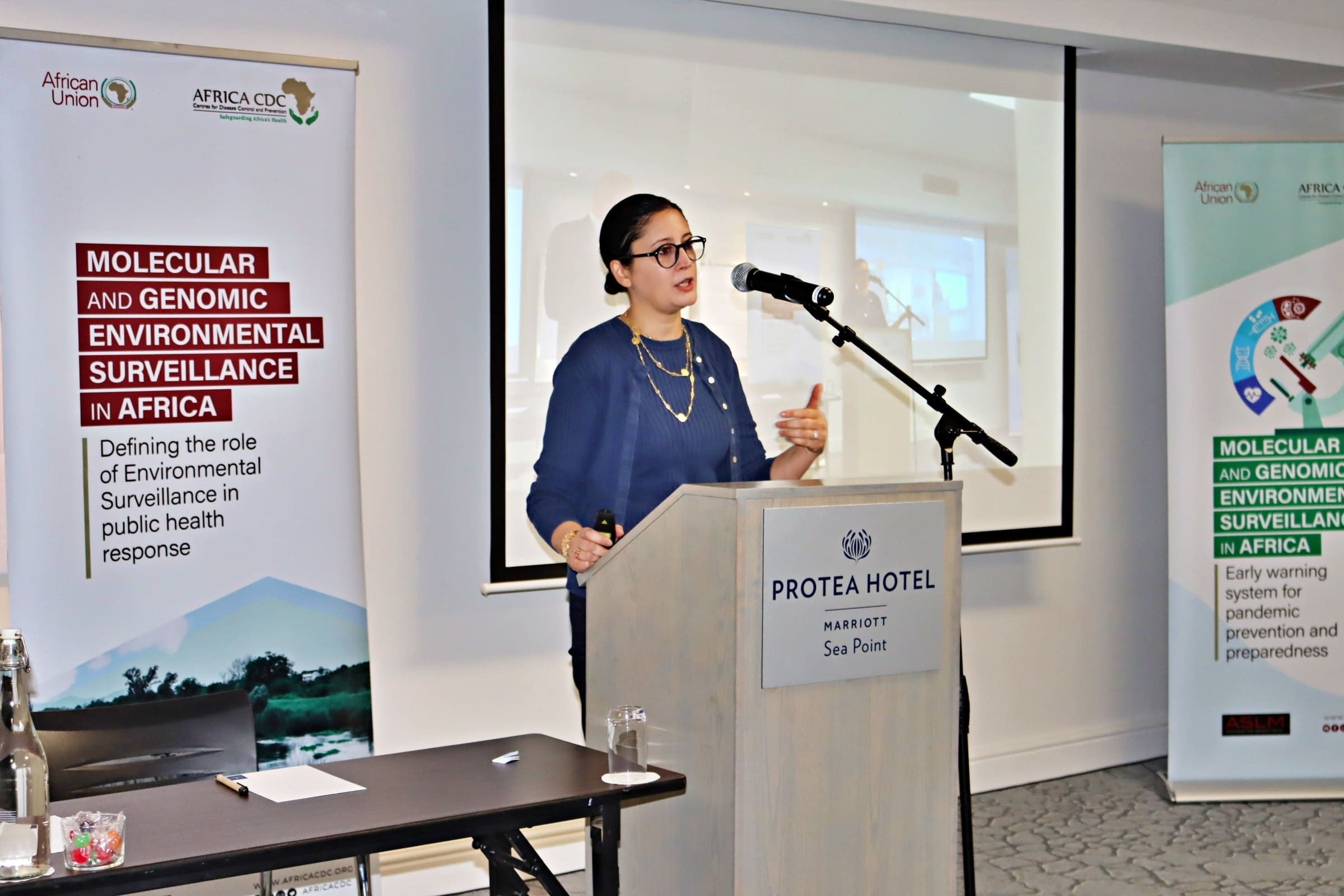
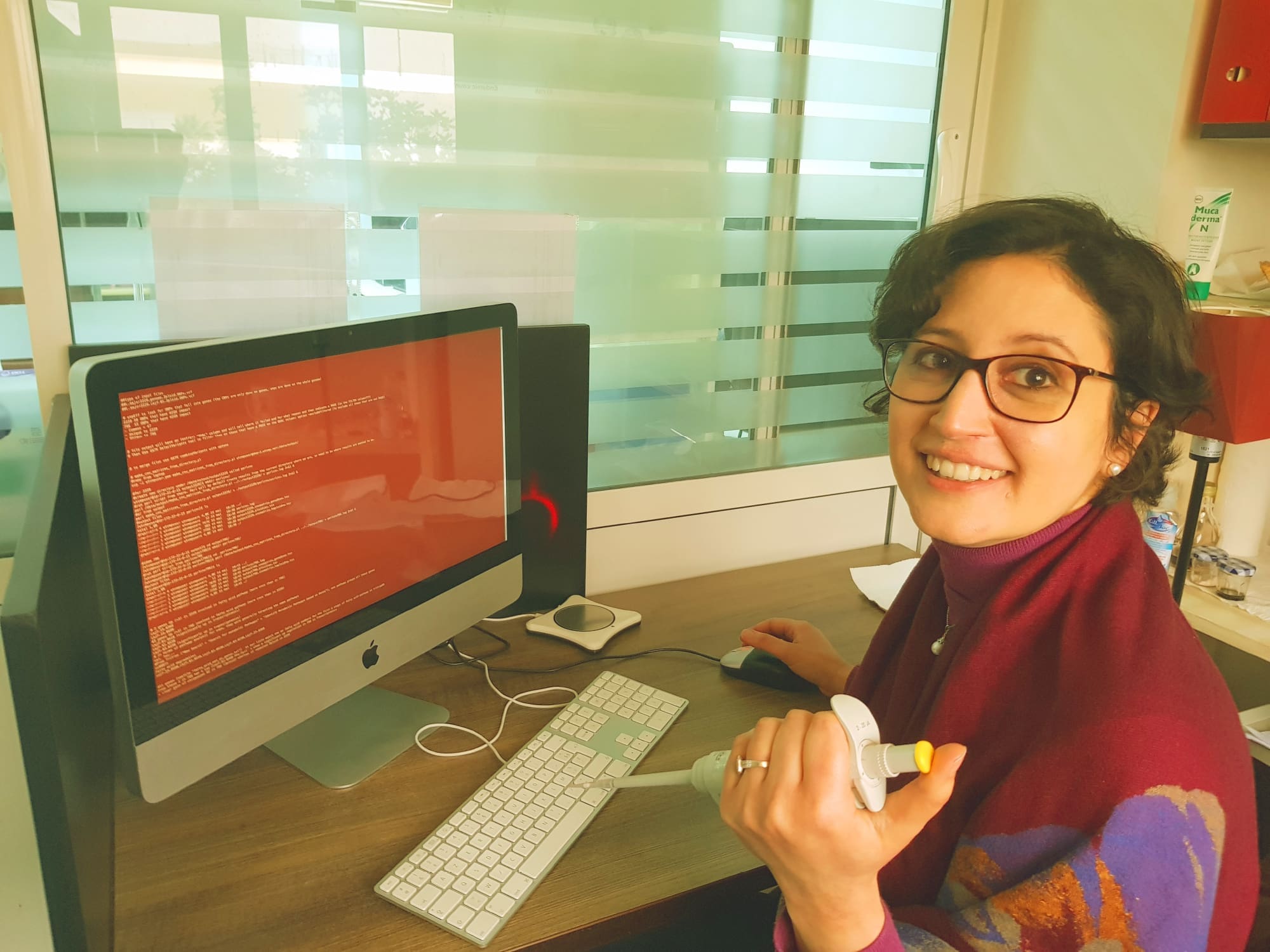
“Wastewater surveillance can be a really impactful solution for those of us who live in low-resourced countries,” says Fatma Guerfali.
Guerfali grew up in Tunisia and Morocco with a passion for art and archaeology. Neither, her father persuaded her, made for a practical career choice. So she began her professional life as a biologist.
She quickly discovered that “people weren’t speaking the same language when they belonged to different fields, even different fields within science.” She also discovered the gap that often exists between scientists and policy implementers, and that can make it difficult to bring transformative work to scale.
“Wastewater surveillance used in this way is a relatively new field, and we are still learning and creating. Many of us live in places where clinical data are scarce, which makes this very important,” she said. “Covid-19 was a hard lesson, but it taught us we cannot move forward one by one. We have to empower and collaborate.”
3. South Africa: Creating a Guidebook for Wastewater Monitoring
May 2020.
Dr. Renée Street, her colleague, molecular biologist Dr Rabia Johnson, and a small team of scientists collected their first wastewater sample from Cape Town, South Africa. Then they stayed up until midnight to see what it would uncover.
“We found SARS-CoV-2 fragments and we were very excited,” she recalled recently. “It proved this method would work for disease detection and monitoring.”
This was a breakthrough in wastewater surveillance for diseases in South Africa. Still, much logistical work remained for Street, the Interim Director and Chief Specialist Scientist at the Environment and Health Unit of the South African Medical Research Council.
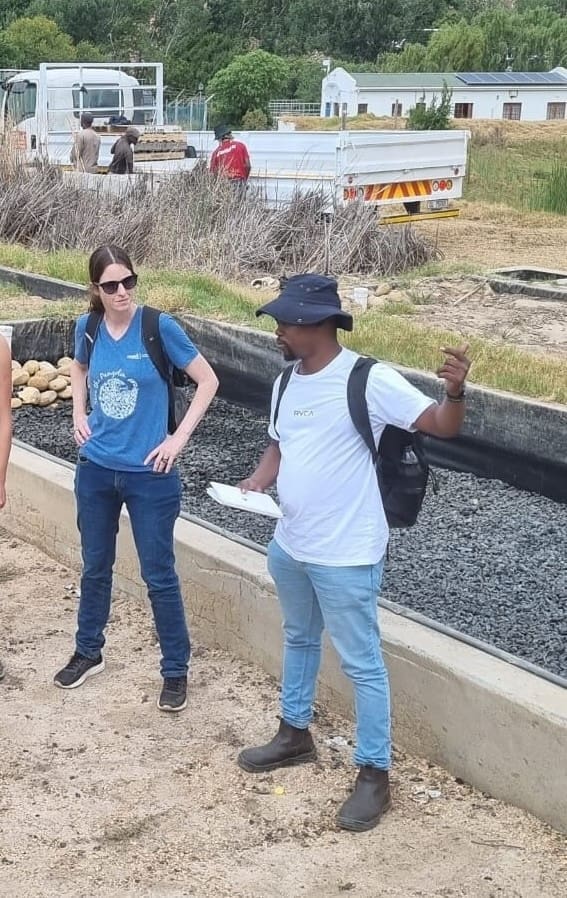
She and her team had to figure out when to collect samples and deliver them to the lab so that public health officials could get usable results weekly on a consistent, timely, and reliable basis – something she identified as critical to make the work jump from lab to communities.
They also prioritized training lab technicians, initially partnering with six university labs – four of them historically disadvantaged institutions with equity as a goal.
Then in May 2023, with a Covid-19 routine in place, a cholera outbreak hit the country. “We pivoted, and focused on detecting that,” Street said.
Already this year, they have pivoted again, introducing a multi-pathogen panel that looks at 24 different pathogens, many of which are worsening due to climate change.
Street, who got her start studying natural resources and the environment, has demonstrated the ability to shift her focus as health gaps arise.
For women scientists, particularly mothers like herself or other caregivers, “managing the work-life balance can be challenging,” she said. “I sometimes get it right, but not always. Women in science need more mentors who understand the balance.”
4. Thailand: Award-Winning Research Identifies Pathogens’ Source
As a girl, Dr. Kwanrawee Joy Sirikanchana didn’t like “dirty things.” She was shy and didn’t consider herself adventurous.
Now the award-winning scientist is leading groundbreaking wastewater research aimed at allowing early disease detection at the source by using intestinal markers to determine whether animals or humans are contributing pathogens, and if animals, which kind.
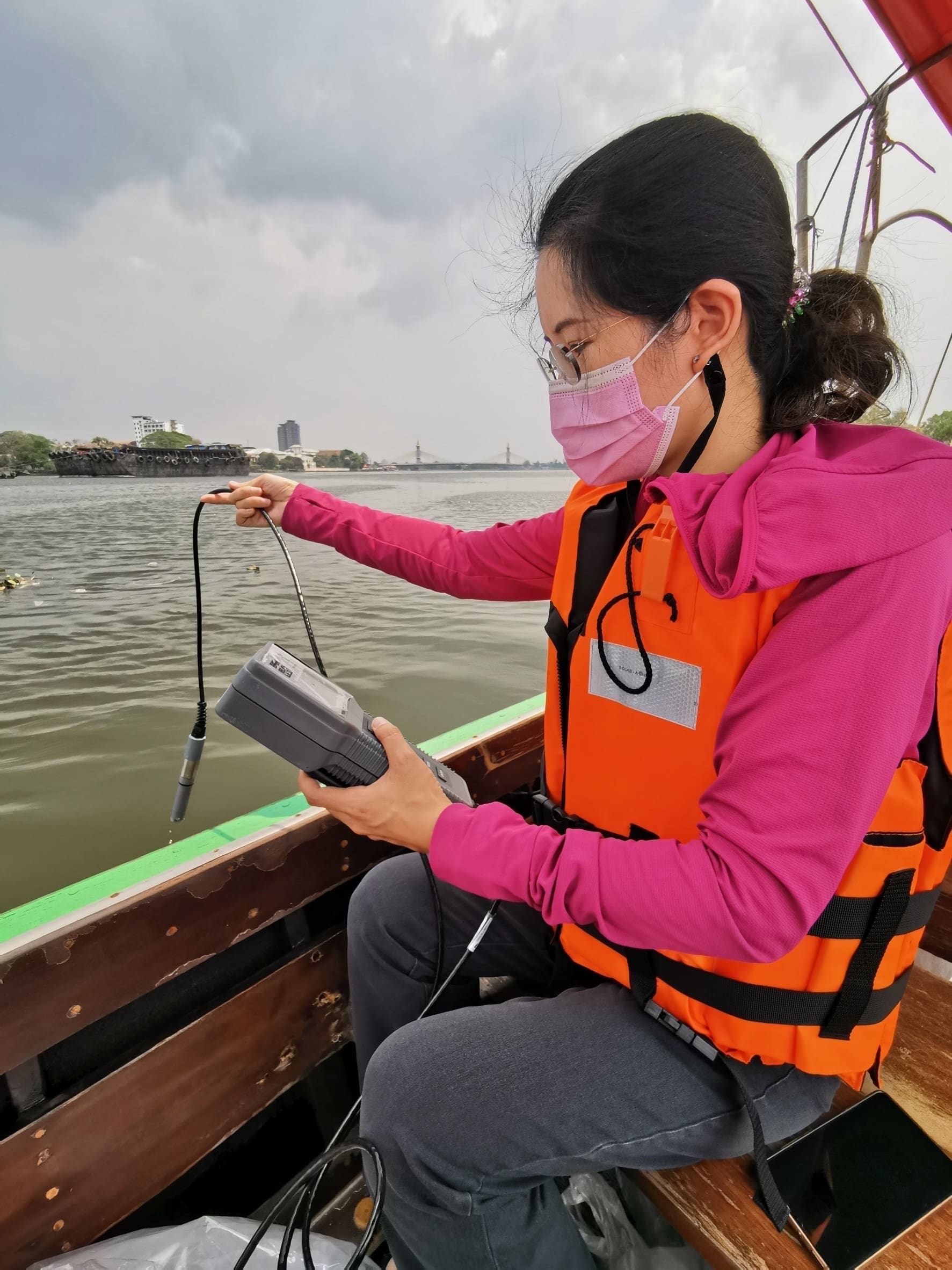
Dr. Kwanrawee Joy Sirikanchana collecting water samples from the Chao Phraya River. (Photo Courtesy of Dr. Sirikanchana)
The Thai government is especially excited about implementing the research she directs at the Chulabhorn Research Institute in Bangkok in the field of antimicrobial resistance (AMR), which has been a government-endorsed strategic priority since 2017.
The World Health Organization (WHO) has called AMR one of the top global public health threats, putting many of the gains of modern medicine at risk.
WHO says misuse and overuse of antibiotics in humans, animals, and plants is a key driver of AMR, which contributes to almost 5 million deaths annually.
Focusing on government priorities is key to maintaining funding for wastewater surveillance, noted Sirikanchana, who got her undergraduate degree in her native Thailand and then post-graduate degrees in the United States.
The mother of two children, Sirikanchana said women often have less time to develop their careers because of family responsibilities. “But women bring particular experiences and viewpoints to research, as well as particular restraints and circumstances,” she said. “They should be given full support for the best outcomes.”
More in this Matter of Impact Edition
A Woman-Led Fund Drives Climate Solutions While Championing Equity
Innovators are ready to combat climate change. The missing link is funding.
Read MoreMom and Preteens Transform Their Neighborhood With Solar – And It Spreads
Begun in a neighborhood, spreading throughout a nation, Solar United Neighbors is helping communities go green.
Read More