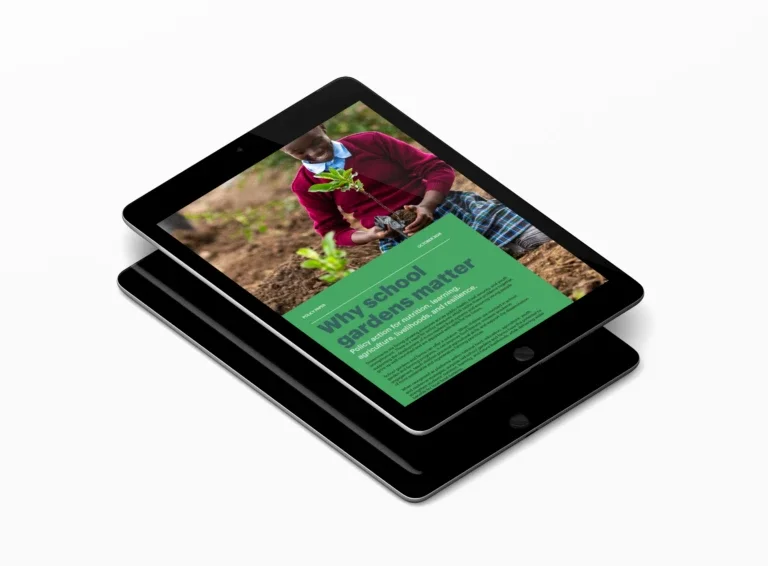
This report explores how school gardens and farms can improve nutrition, enhance learning, build agricultural skills, and strengthen resilient food systems through integrated policy action.
New analysis finds that roughly 40 low- and lower-middle-income countries face mounting liquidity pressures despite sustainable debt levels. The report proposes a Growth and Investment Reset to unlock long-term, affordable financing for investment and growth.
A new report explores how AI-powered weather forecasts can help health systems anticipate climate-related risks and make earlier, more effective decisions.
The 2026 survey finds that while nearly seven in ten people across 34 countries believe the world has gotten worse, support for countries working together remains strong, with preventing wars and conflicts emerging as the top shared priority.
The Zero Gap Fund: 2025 State of the Portfolio highlights how strategic impact investing can mobilize private capital to advance the UN Sustainable Development Goals. The report showcases seven years of progress, lessons learned, and the Fund's role in driving meaningful social and environmental impact around the world.
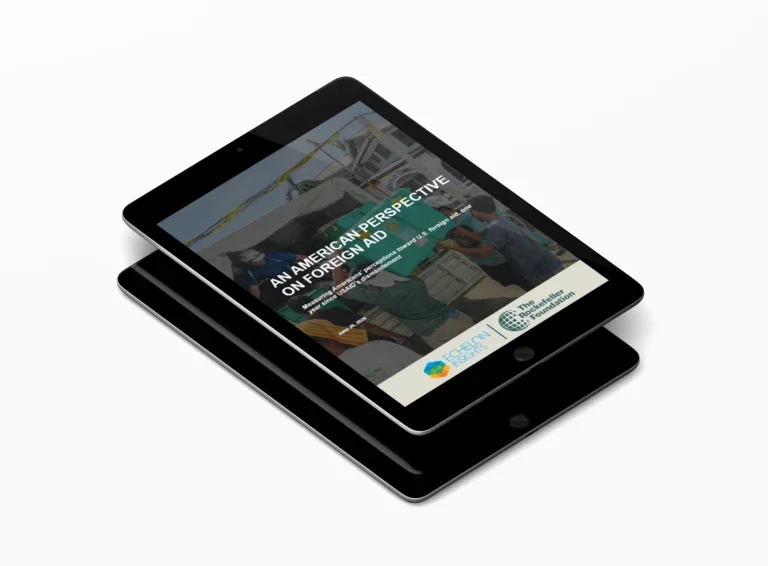
New research from The Rockefeller Foundation and Echelon Insights finds that Americans continue to support foreign aid programs that prevent disease outbreaks, respond to humanitarian crises, reduce conflict, and create economic opportunity — with broad bipartisan support for strengthening what works rather than eliminating these programs.
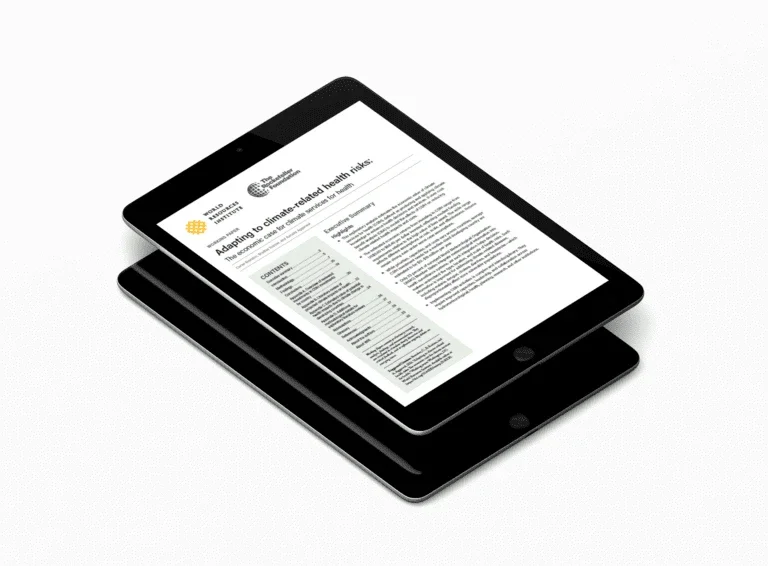
New research from World Resources Institute, commissioned by The Rockefeller Foundation, finds that investing in climate services for health can help low- and middle-income countries save lives, strengthen resilience, and generate major economic returns.
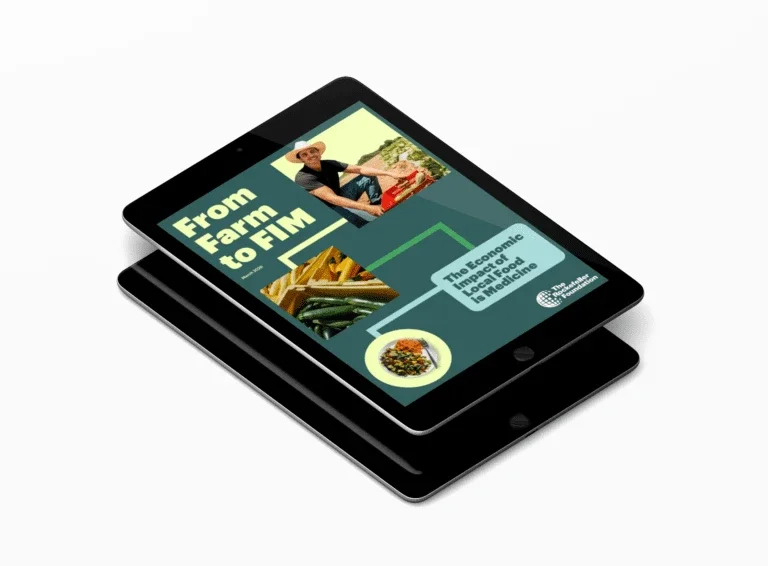
Food is Medicine programs can improve health while generating $45 billion in economic activity nationwide and creating new opportunities for local farms and communities. Learn more about the findings in the report.
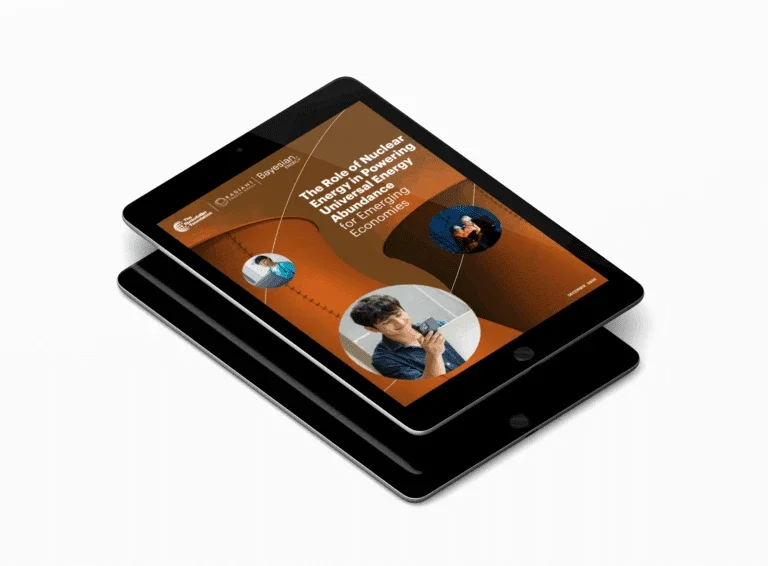
New analysis examining eight fast-growing emerging economies finds that next-generation nuclear technologies, including small modular reactors, could deliver up to 30% of electricity generation and lower system costs by up to 31% by 2050 under the right policy conditions.
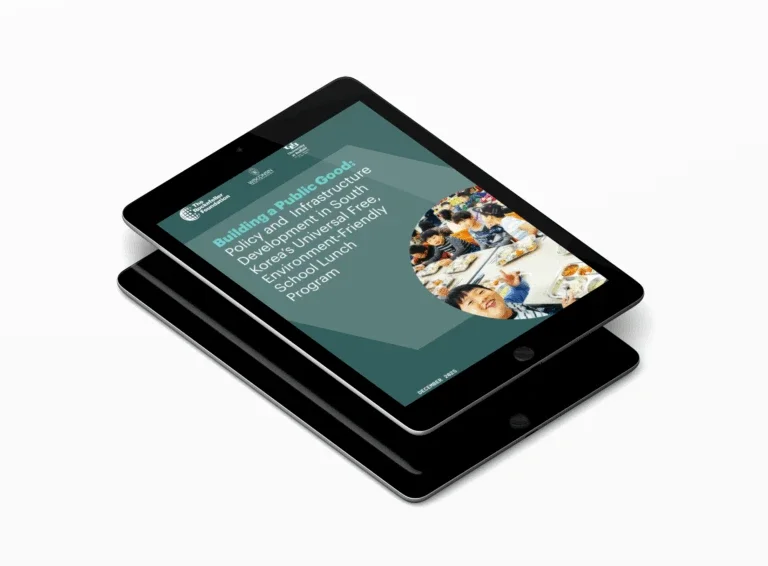
School meal programs are powerful investments that improve children's wellbeing and strengthen local economies, with South Korea's transformation to a universal, climate-friendly system reaching over 5.26 million students daily demonstrating how strategic policy can unlock multisectoral benefits.
FoodAsia
Stay Connected
Sign up for our newsletter.
Get monthly updates on the latest insights and innovations in food systems, energy, health, and more.