All Perspectives / All Perspectives

The Clear Message From the Spring Meetings: With the Current Crises, Reforms Cannot Wait

With the conflict in Iran threatening to resume and the dueling naval blockades continuing, many countries are being pushed into an impossible position: asked to invest in growth and resilience even as their fiscal space and aid continues to shrink and debt costs escalate. That growing pressure was evident — and largely unresolved — in conversations at last month’s IMF/World Bank Spring Meetings.

At The Rockefeller Foundation, we believe this moment demands practical solutions, unlikely partnerships, and measurable results.

That conviction shaped our engagement during the Spring Meetings, including our Finance Forum, where leaders from government, finance, philanthropy, and civil society came together to discuss practical responses to rising debt burdens. And, the Foundation will embed this conviction in its efforts and engagements going forward.

Across low-income countries and emerging markets, governments are being asked to do more with less. They must create jobs, strengthen food and energy systems, invest in resilience, and protect vulnerable communities, all while managing high debt burdens and tighter fiscal space. This was reinforced by recent data from The Organisation for Economic Co-Operation (OECD), which found official development assistance declined by 23.1% in 2025 — the largest single-year reduction in decades — reducing an important source of support just as needs are rising.

The international community, including the United States, has long recognized that spurring economic growth and responding to human suffering are both strategic imperatives. Turning away from that conclusion will carry costs far beyond the immediate crisis.

Debt Is Limiting Opportunity

For many countries, debt is not simply a balance sheet issue. It is a brake on opportunity. When governments spend more servicing debt than investing in health, education, or infrastructure, growth slows, inequality deepens and instability increases. According to recent estimates, 3.3 billion people live in countries that spend more on debt servicing than on health or education.

New analysis from ONE Data, supported by The Rockefeller Foundation, underscores how quickly conditions have worsened. The average cost of borrowing for African countries rose 91 percent between 2020 and 2024, making access to capital more expensive just as countries need it most. Without action, many countries risk becoming trapped in a cycle of high debt, low investment, and low growth. These countries also become more vulnerable to economic and political instability, food shortages, and natural disasters.

Private Capital Must Move at Greater Scale

Public resources remain essential, but they are not enough to close today’s financing gaps. Mobilizing private capital for emerging markets and developing economies must be central to the next chapter of development finance.

As World Bank President Ajay Banga has noted, the old model of relying on public finance alone is broken. Private capital must be a vital part of the economic growth picture. Yet investment in many low-income countries remains limited, with investors often citing concerns about risk, transparency, market information, and investable pipelines.

This is why resetting how risk is measured and managed — another vital focus of The Rockefeller Foundation — matters so much. With stronger data, better tools, and more effective partnerships, more capital can flow to countries seeking to invest in growth, infrastructure, and resilience. Development finance institutions also have a critical role to play by helping unlock private investment where it’s needed most.

Growth and Resilience Must Advance Together

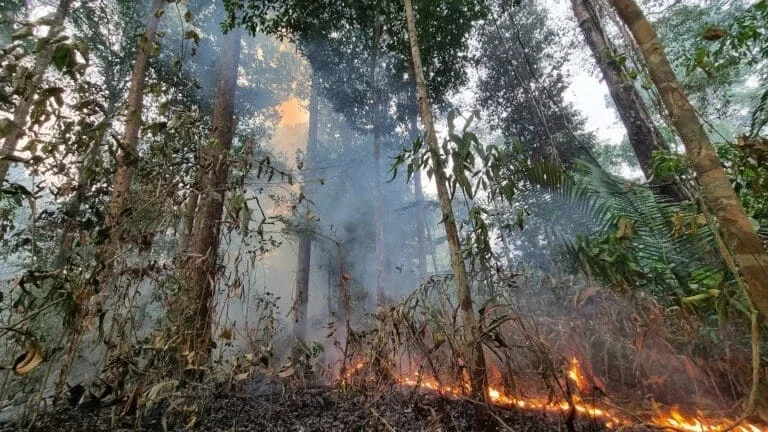
Economic growth and climate resilience can no longer be treated as separate agendas. Many countries carrying heavy debt burdens are also highly exposed to natural disasters caused by floods, droughts, extreme heat, and other climate shocks. Limited access to capital and climate vulnerability — challenges well captured by a first-of-its-kind tool, the Climate Finance (CliF-VI) Vulnerability Index — puts countries at a severe disadvantage. Each crisis places additional pressure on already stretched budgets, delaying growth and development and increasing human suffering.

Financing solutions for the most vulnerable must therefore create room for long-term investment in resilient infrastructure, clean energy, sustainable agriculture, and stronger health systems.

From Conversation to Execution

The Spring Meetings discussions in Washington made one point clear. We do not suffer from a lack of ideas. We need greater urgency in turning proven ideas into concrete action. That means advancing practical debt solutions that restore fiscal space, scaling mechanisms that attract private investment, and strengthening collaboration among governments, multilateral institutions, philanthropy, and the private sector.

A pathway to growth is still within reach, but reaching it will require bold partnership, disciplined implementation, and a willingness to rethink risk in service of shared progress.

Read More