Read the Full Report
download pdfA local delivery system with 3 key elements
Recognizing these gaps in health system resilience, the report outlines, and advocates for, a three-step system to deliver climate-informed health action at a ground level. The components of this local delivery system include:
- 1. Collaboration between health and meteorological agenciesAdvocating for collaboration between health and meteorological agencies to gather data and forecast the impact of climate change on the health of vulnerable populations;
- 2. Local coordination for early actionBuilding local coordination for early action with leaders and experts across climate, health, urban planning, transportation, education, and civil society who apply climate insights to local prevention and response plans;
- 3. Effective communication initiativesPreparing for future climate-related health threats by ensuring timely, effective communications reach those most at risk.
Case Studies
Pioneering city-led initiatives have already made an impact on the lives and well-being of urban dwellers across the world.


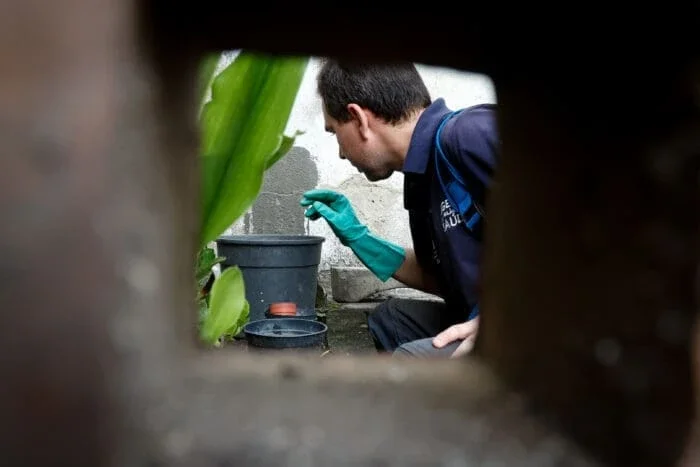


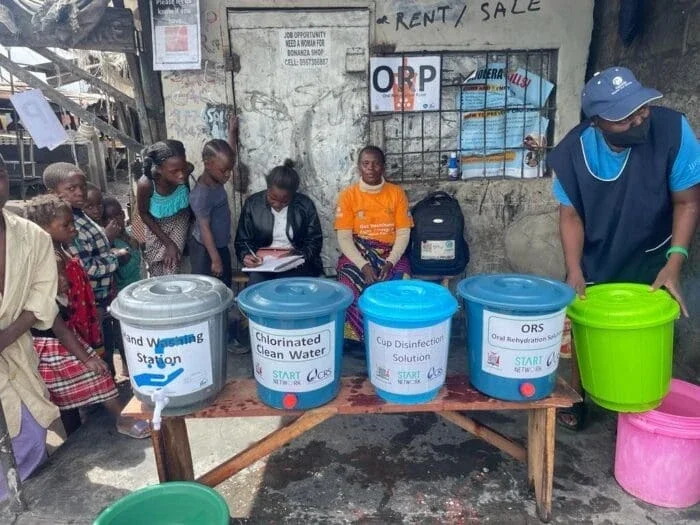
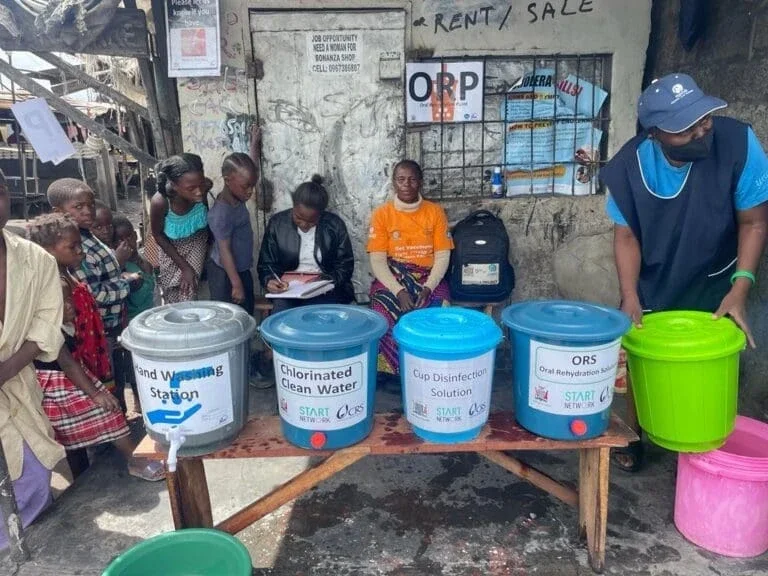


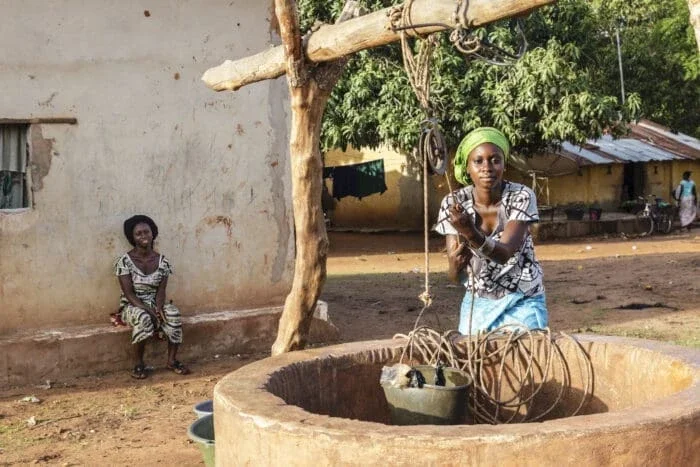


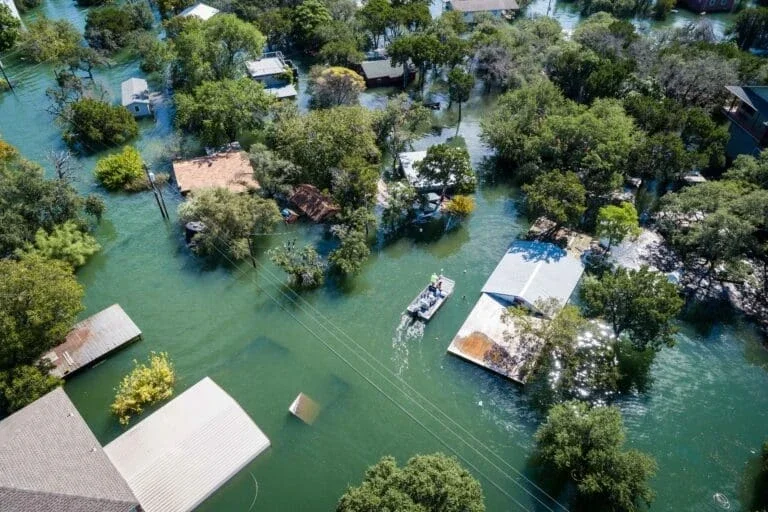
The Urban Climate-Health Action report was informed by data from the Urban Pulse: Identifying Resilience Solutions at the Intersection of Climate, Health and Equity survey. Conducted by Yale University and the Resilient Cities Network, with support from The Rockefeller Foundation, the survey reveals that of nearly 200 city leaders in 118 cities in 52 countries, 70% of city leaders recognize these climate-related health threats, and over 90% report economic losses from such events. Despite this, few cities have emergency response plans that use reliable climate data, and only 20% have strong inter-departmental coordination.
The Team






















More Reports
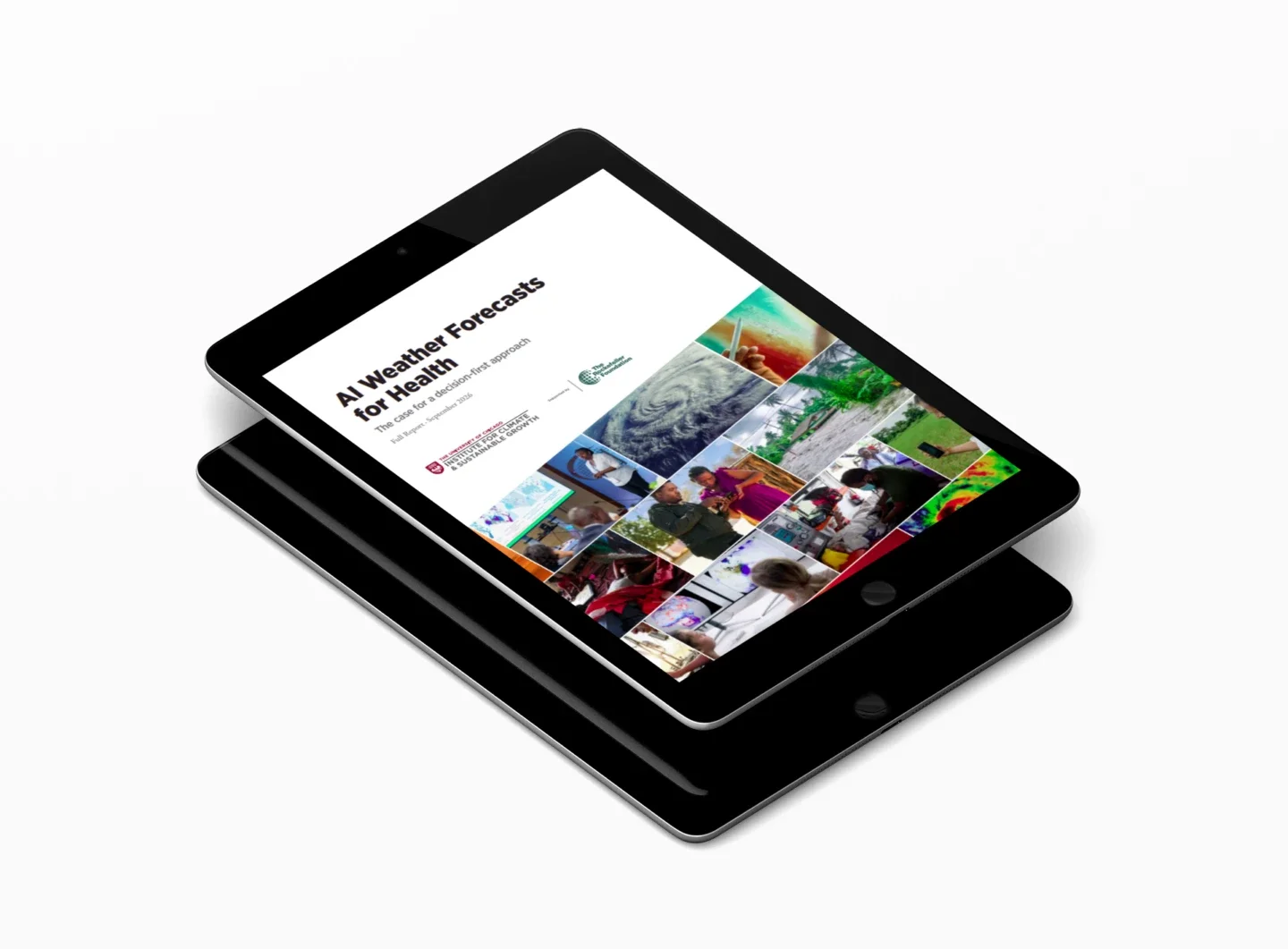
 ReportAI Weather Forecasts for Health: The Case for a Decision-First Approach A new report explores how AI-powered weather forecasts can help health systems anticipate climate-related risks and make earlier, more effective decisions.
 ReportSeeking Security and Opportunity in a Stormy World: A 34-Country Survey The 2026 survey finds that while nearly seven in ten people across 34 countries believe the world has gotten worse, support for countries working together remains strong, with preventing wars and conflicts emerging as the top shared priority.
 ReportAn American Perspective on Foreign Aid New research from The Rockefeller Foundation and Echelon Insights finds that Americans continue to support foreign aid programs that prevent disease outbreaks, respond to humanitarian crises, reduce conflict, and create economic opportunity — with broad bipartisan support for strengthening what works rather than eliminating these programs.