For centuries, people have planned around predictable weather patterns: when the rains would arrive, when temperatures would peak, and when disease risks would rise. Today, climate change is making those patterns less reliable. Seasons are shifting, extreme weather is becoming more common, and communities are facing conditions they are not used to. As past experience becomes less useful for anticipating health risks, getting timely and accurate weather forecasts in the hands of health systems leaders is increasingly important for protecting public health.
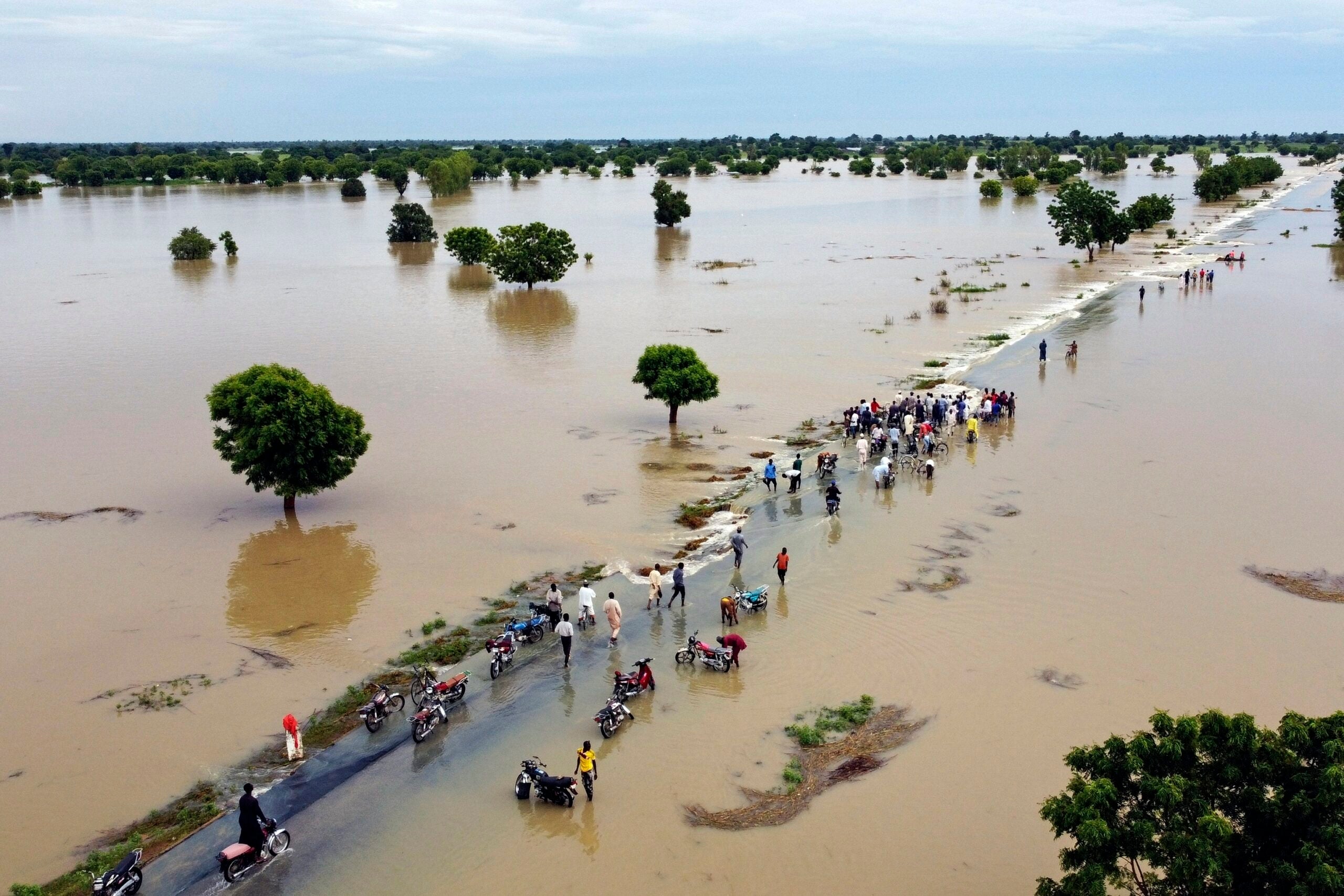
A new report by researchers at the University of Chicago, supported by The Rockefeller Foundation, examines how artificial intelligence could help meet that need. Access to the world’s most advanced forecasting systems has long been constrained by the cost of supercomputers and the expertise required to run them, putting many countries facing the greatest health risks from weather at a disadvantage. AI is changing that. New models can deliver forecasts tailored for specific users that rival the best systems at a fraction of the cost and computing power making advanced forecasting for health more accessible than ever before.
Greater access to high-quality forecasts is only part of the opportunity. The report finds that the greatest gains will come when forecasts are not only accessible but designed around the decisions health officials need to make. Today, weather and climate information often arrives too late, at too broad a scale, or in formats that are difficult to use. A heat emergency may unfold within hours, cholera outbreaks can follow flooding by weeks, and mosquito-borne diseases may emerge months after heavy rains. Forecasts tailored to those needs can help health systems act earlier, from warning vulnerable populations and protecting water supplies to targeting disease control measures before cases begin to rise.
The report sets out 22 recommendations across four types of investment. It identifies a top priority in each category:
- Discovery: Build benchmarking that evaluates forecasts on whether they support a real health decision, beginning with extreme heat. How models are evaluated determines which models are developed next.
- Evidence: Fund evaluation from the first cycle of every service. There is almost no evidence that weather warning systems change health outcomes, and that evidence is what scaling funders require before they will commit.
- Scaling: Create a dedicated mechanism to carry proven climate-health services to national scale, brokering between governments and development banks. Small grants at this stage determine whether far larger loans include a well-designed health component.
- Sustainability: Write health into the national AI and data policy frameworks now being drafted, which are on short cycles and difficult to reopen. Climate policy is the cautionary example: all 59 national adaptation plans reviewed in 2025 name health as a vulnerable sector, yet fewer than half name a lead agency for it and 0.2 percent of international adaptation finance goes primarily to health.
AI is making powerful forecasting tools more accessible than ever before. Realizing their potential will depend on whether countries can turn better forecasts into better decisions.
Key Findings:
AI-driven weather models now rival the world’s best forecasts at a fraction of the cost
A world-class forecast once required a $100 million supercomputer and the expertise to run it. A trained AI model now produces a 10-day forecast in minutes on a single computer chip, putting advanced forecasting within reach of a national weather service on a modest budget.
Forecasts often go unused in health because it was never built for the decisions officials face
Most national weather agencies say they provide climate information for health, yet only 23% of health ministries use weather information in disease surveillance. What arrives is often too coarse, too late or too general to inform a decision.
The decisions that matter most sit at lead times where forecasts barely exist
Staging a heat response or timing a spraying campaign requires two to four weeks of warning. Most forecasts arrive in days or in seasons. That two-to-four-week window is the least invested-in range in forecasting.
Better models won’t protect health without the training, trust, and accountability to act on them
It will take improved governance between health and weather agencies, sustained funding for training and tools, and evidence that these services improve health outcomes.
This report was originally published by the University of Chicago’s Institute for Climate and Sustainable Growth on September 22, 2026, and is reposted here with permission.
More Reports
 ReportWhy School Gardens Matter This report explores how school gardens and farms can improve nutrition, enhance learning, build agricultural skills, and strengthen resilient food systems through integrated policy action.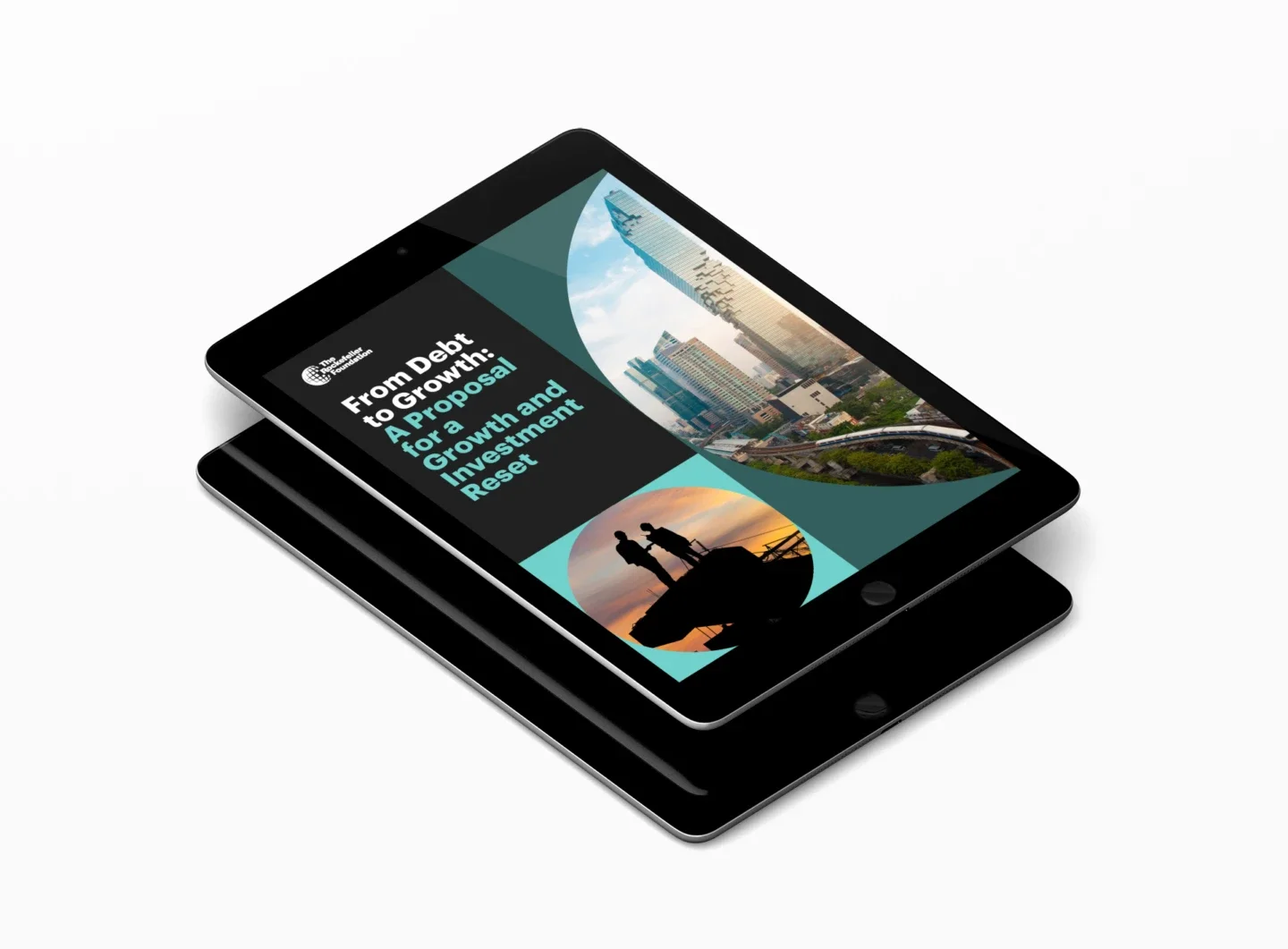
 ReportFrom Debt to Growth: A Proposal for a Growth and Investment Reset New analysis finds that roughly 40 low- and lower-middle-income countries face mounting liquidity pressures despite sustainable debt levels. The report proposes a Growth and Investment Reset to unlock long-term, affordable financing for investment and growth.
 ReportSeeking Security and Opportunity in a Stormy World: A 34-Country Survey The 2026 survey finds that while nearly seven in ten people across 34 countries believe the world has gotten worse, support for countries working together remains strong, with preventing wars and conflicts emerging as the top shared priority.