In recent decades, the role of nuclear has diminished in many national energy transition strategies. However, rising energy demand and growing energy security concerns have led to renewed interest in nuclear energy as a reliable, non-emitting source of baseload power. New analysis by Bayesian Energy, supported by The Rockefeller Foundation, examines how next generation nuclear technologies could help emerging economies meet rapidly rising electricity demand and provide communities with clean, reliable, and affordable power.
This report takes an evidence-based approach to exploring nuclear deployment across Brazil, Ghana, India, Indonesia, Nigeria, Philippines, Rwanda, and South Africa, which are home to more than 2 billion people and among the fastest-growing energy markets in the world.
The findings suggest that under the right policy and regulatory conditions, nuclear power — including small modular reactors (SMRs) — could play a more meaningful role in these countries’ energy futures than previously assumed, including delivering up to 30% of electricity generation and lowering system costs by up to 31% by 2050.
Read the Full Report
Download PDFMore Reports

 Report2024 Impact Report
 Delivering results for people in the United States and around the world has not been easy. Across energy, food, health, finance, and economic opportunity, the Foundation uses its convening power to show that collaboration is the fastest route to impact.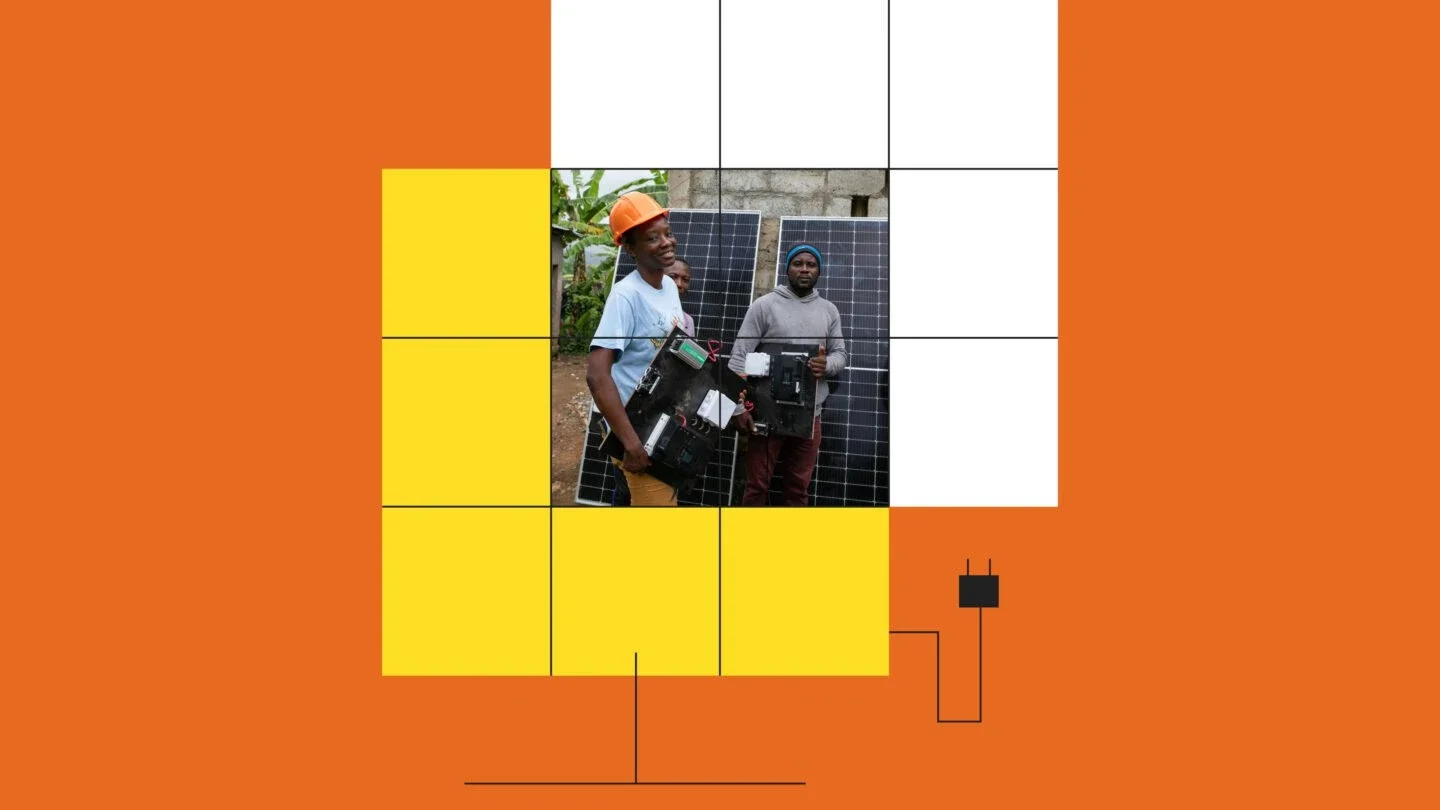
 ReportReliable Power Abundant energy is out of reach for billions of people. Our mission is clear: to ensure everyone on the planet can access the power needed to unlock a brighter future.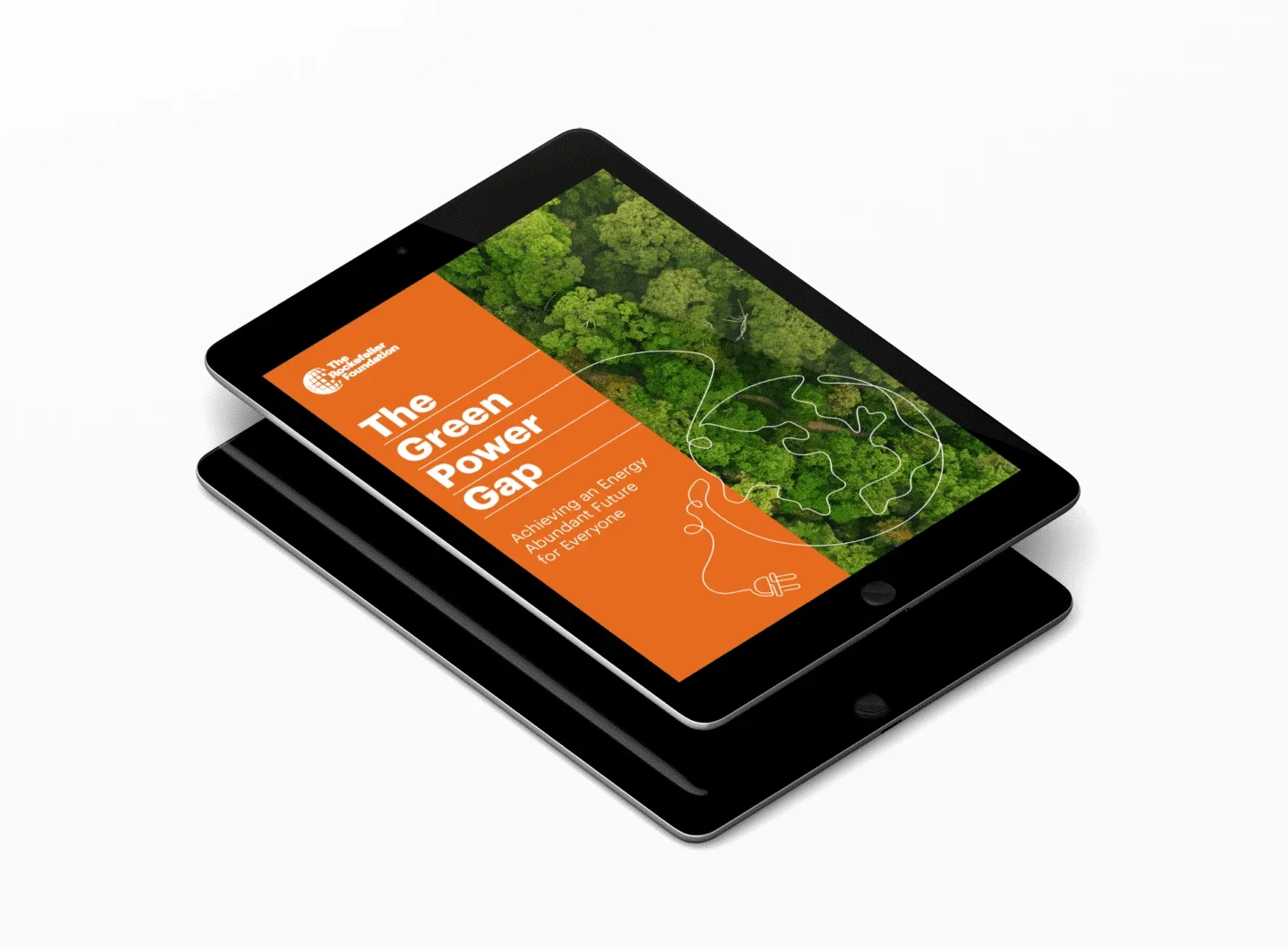
 ReportThe Green Power Gap 3.8 billion people lack adequate access to electricity, limiting their opportunities. Closing the 8,700 terawatt-hour Green Power Gap by 2050 is essential to achieving global development and climate goals.