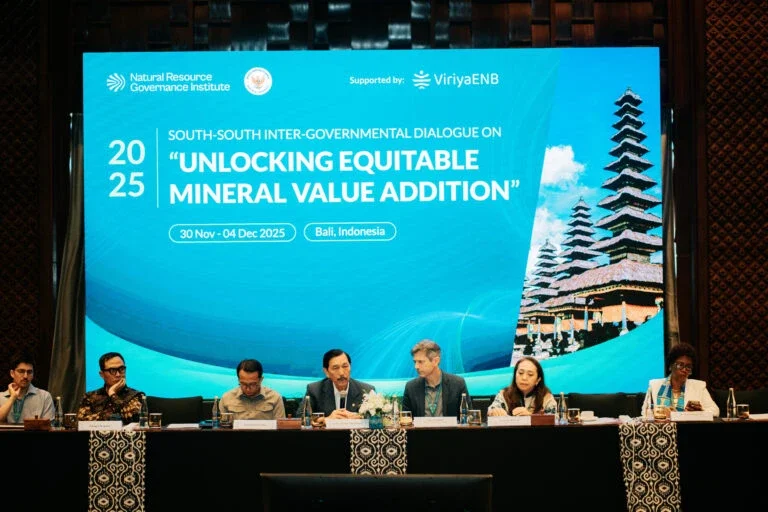
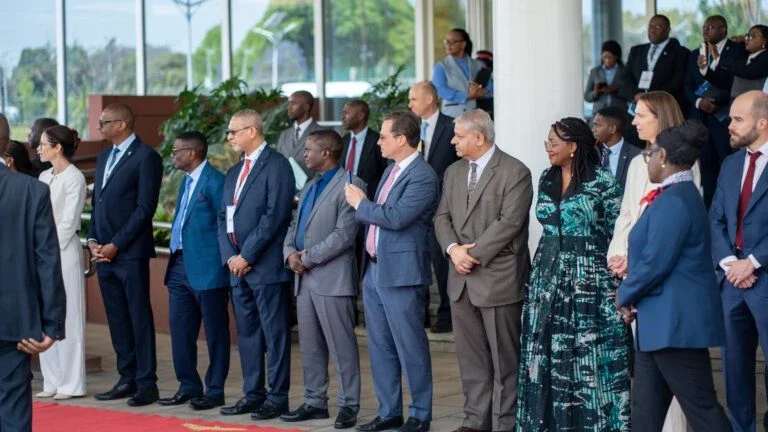
A new learning platform enables Global South countries to share real-time experiences and co-develop best practices for managing transition mineral resources while protecting communities and driving economic development.
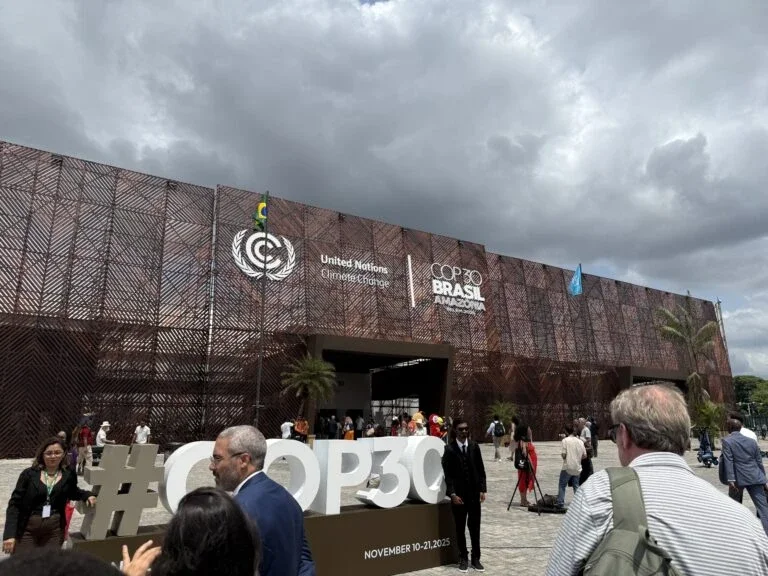
COP30 underscored the urgency of the climate crisis while revealing a clear path forward: climate-smart development, empowered local leadership, and transformed finance systems that integrate adaptation and mitigation to build resilient communities and economies.
Nuclear power can reduce clean energy system costs by 2-31% in developing countries by complementing renewables and dramatically lowering the need for expensive solar capacity, storage, and transmission infrastructure.
This blog highlights how climate services are being rapidly integrated into global health systems — especially through Brazil’s Belém Health Action Plan — to protect communities from climate-driven health risks and turn climate-health frameworks into real-world impact.
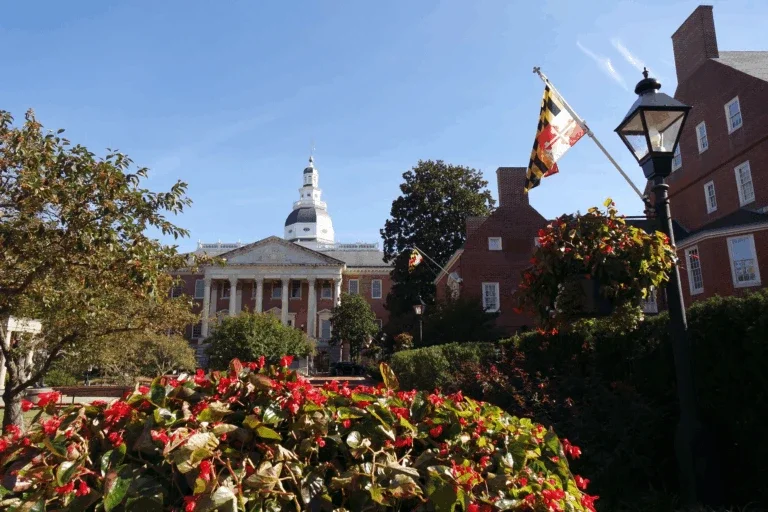
Seventy years after funding the birth of AI at Dartmouth, The Rockefeller Foundation is partnering with Maryland, Anthropic, and Percepta to prove that artificial intelligence can be harnessed to strengthen government services and bridge the gap between citizens and their institutions.
Climate change action is failing because countries' climate commitments (NDCs) remain disconnected from national planning, sectoral ministries, and financing mechanisms — requiring integrated monitoring and evaluation systems to transform ambition into measurable, fundable progress.
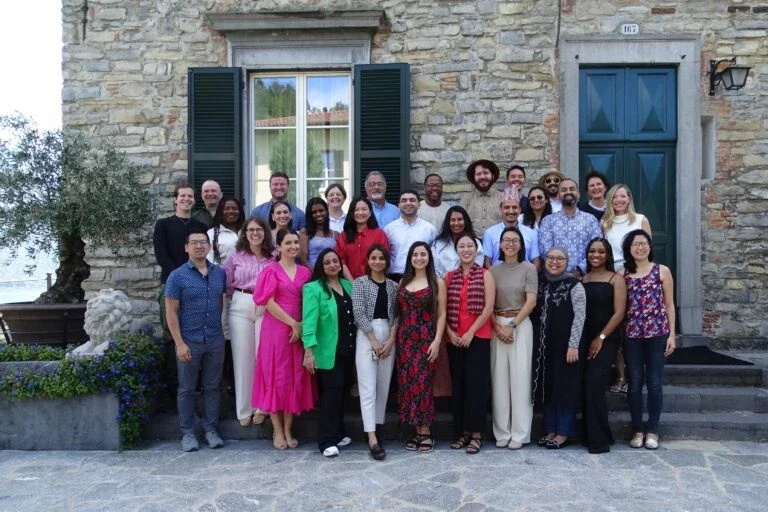
The Rockefeller Foundation's Big Bets Fellowship brings together emerging leaders tackling pressing challenges from food access to workforce development, providing them with skills, strategy, and a lasting community of peers to amplify their transformational work.
The Coalfield Development Corporation is revitalizing Appalachian Communities devastated by coal industry decline through an innovative model that combines job creation, workforce training, and property restoration, creating over 1,000 jobs and attracting $178+ million in new investment.
The World Bank’s new Mission 300 Progress Portal shows accelerating progress toward connecting 300 million Africans to electricity by 2030 through collective action.
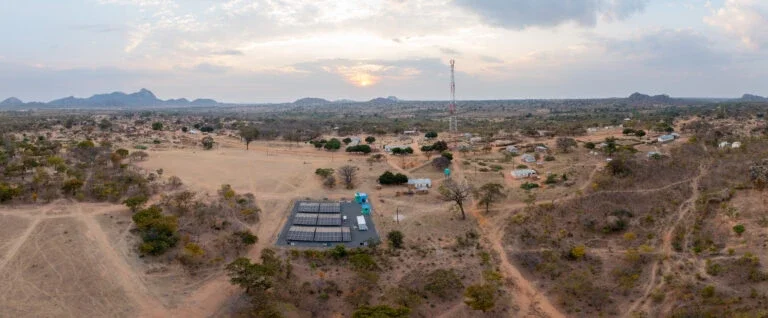
Zambia is emerging as a frontrunner in Mission 300, rapidly expanding solar and mini-grid projects, modernizing energy policies, and lighting the path toward universal electricity access by 2030.