Data
One challenge to scaling Food is Medicine programs across the United States is that health insurance has not traditionally covered programs that provide healthy foods.
In order to change that, the Health Care by Food initiative is developing rigorous evidence to more deeply understand the outcomes of these interventions and whether they are a cost-effective benefit for health insurance providers to cover. Some of the research explores – What is the best intervention for each patient? How is it most effectively implemented? At what point in a person’s health trajectory do they benefit most from Food is Medicine? How do outcomes differ across interventions like prepared meals and prescription groceries?
“These are all questions which research will need to answer in the coming years, but I’m confident that we will be able to systematically map this out,” says Volpp. “As more positive results come out, it will become clear to the health system that it makes economic sense and health sense to invest in this research so we can collectively figure out what is best for our patients.”
With support from The Rockefeller Foundation, the initiative has funded 28 studies across the United States to generate robust evidence. In fact, one of Health Care by Food’s partners, Lauren Eberly, dually affiliated with the University of Pennsylvania and Indian Health Services, recently saw promising results with a clinical trial conducted in eastern Navajo Nation.
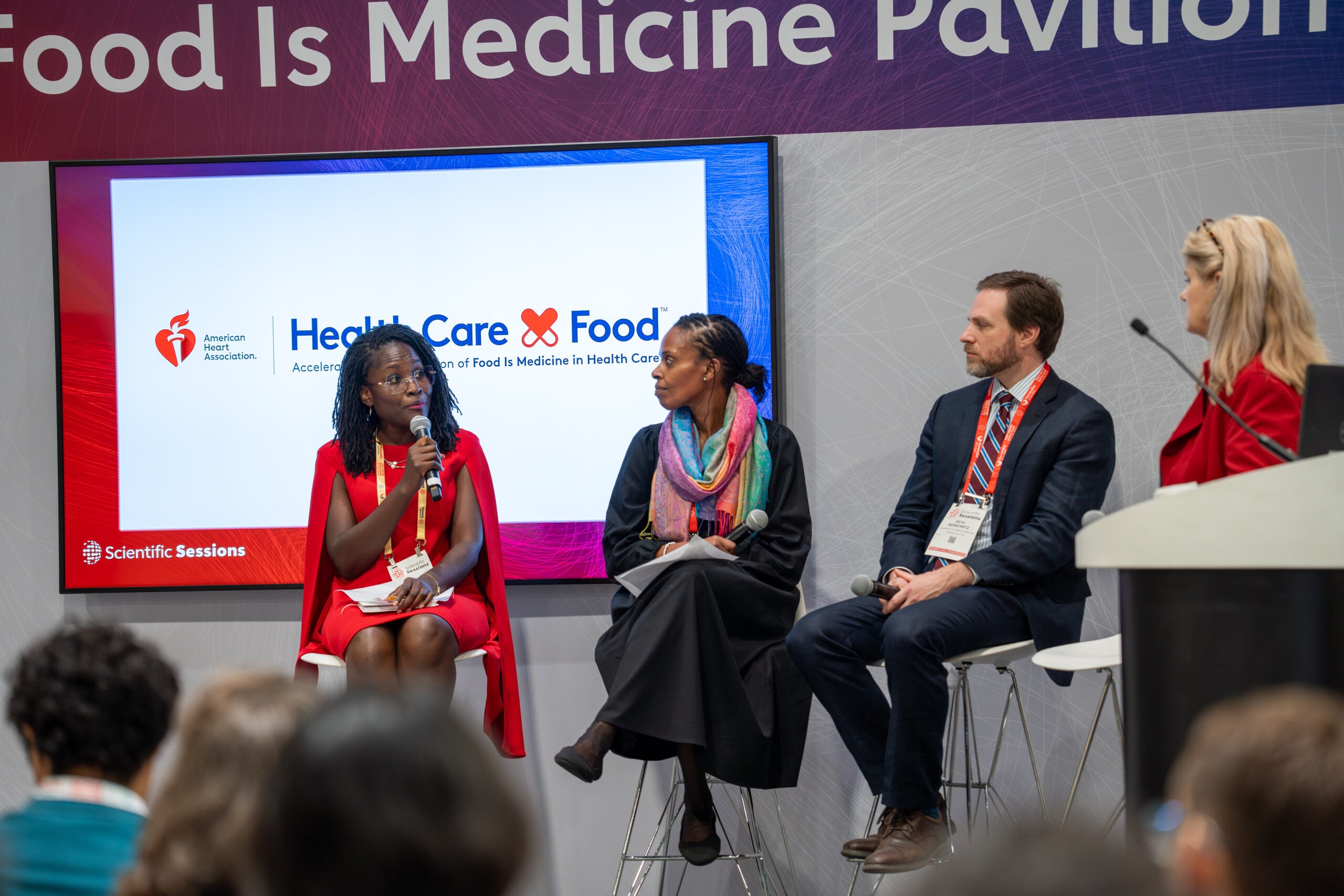
American Heart Association Health Care by Food initiative panel
“Among patients with heart failure, a medically tailored meal program that was customized to local circumstances reduced hospitalization rates by 52 percent and heart failure hospitalization rates, specifically, by 71 percent,” says Volpp. “We can’t expect all of our interventions to be that successful, but that’s a pretty dramatic improvement and really exciting in terms of what might be possible, both for the tens of millions of people who struggle with heart failure, as well as those with other diet-related chronic conditions.”
Volpp adds that Health Care by Food is using its scientific programs, grant programs, and overall strategy to make sure that its resources have as much impact as possible in building evidence that’s credible, reproducible, and valuable for policymakers as well as public and private insurers.
“The American Heart Association has been able to lean into this kind of research,” says Dr. Hilary Seligman, the deputy scientific lead for the Health Care by Food initiative and a professor of medicine at the University of California, San Francisco, “so that we can support health insurers in acquiring the evidence they need in order to make decisions that would allow them to offer healthy Food is Medicine programs to more people across the United States.”
One of the fundamental changes we’ve tried to embed throughout the Health Care by Food initiative is to bring patients themselves into the design process and to really work with them to pressure test a lot of the underlying assumptions, and really think through how we make these programs as engaging as possible.
Dr. Kevin VolppScientific lead of Health Care by Food and the director of the University of Pennsylvania Center for Health Incentives and Behavioral Economics
Societal Change
All of this work has far-reaching implications for the U.S. healthcare system and the economy writ large. The momentum of the Food is Medicine movement is demonstrating that when these programs are implemented in healthcare settings, they support better diet quality and improve clinical outcomes, like blood sugar control for diabetes and blood pressure control for hypertension.
Seligman explains what that can mean more broadly: “When you have better clinical outcomes, it results in improved healthcare costs for the health system.”
In fact, these programs are already having important impacts on healthcare utilization and costs. For example, among patients with heart failure who are hospitalized, if given access to a medically tailored meal upon discharge, they are less likely to be readmitted to the hospital. This is vital to helping not only keep people healthy but also to controlling healthcare costs in the United States.
“Food is Medicine has significant economic benefits for the insurers, and that clearly gets their attention,” says Volpp. “When you look at the relationship between spending and population, it’s very common that about 20 percent of patients are responsible for about 80 percent of the cost.”
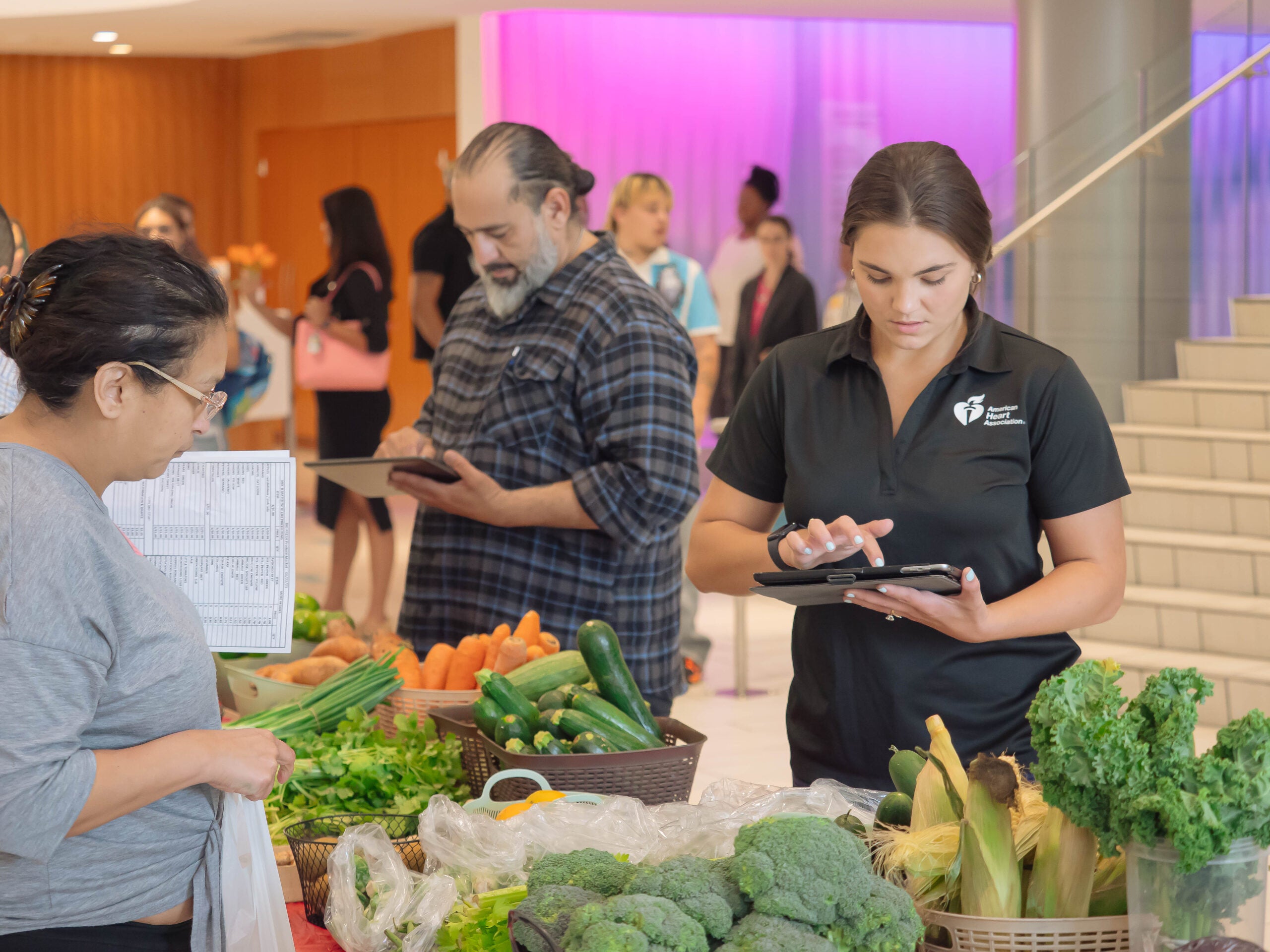
Though healthy eating is important for everyone, patients with specific diet-related chronic conditions are who Food is Medicine programs target. By focusing on high-need populations, insurance companies can see the cost-effectiveness of medically tailored meals as those patients’ need for major medical interventions reduce.
“We’ve had very encouraging traction from insurers,” says Volpp. “They are recognizing Food is Medicine and recognizing that the playbook they’ve been following up to now—which has resulted in the U.S. being first in the world in health care spending and 46th in life expectancy—is not working very well.”
The nation is at a pivotal moment. People across America are starting to embrace the importance of access to healthy food, and insurers are starting to acknowledge the cost-effectiveness of that access.
“Over the next three to five years, the health system will no longer have just medications and operations in its toolbox,” says Seligman. “They also will have access to healthy food as a strategy to help people stay healthy.”