We believe this future of food is achievable.
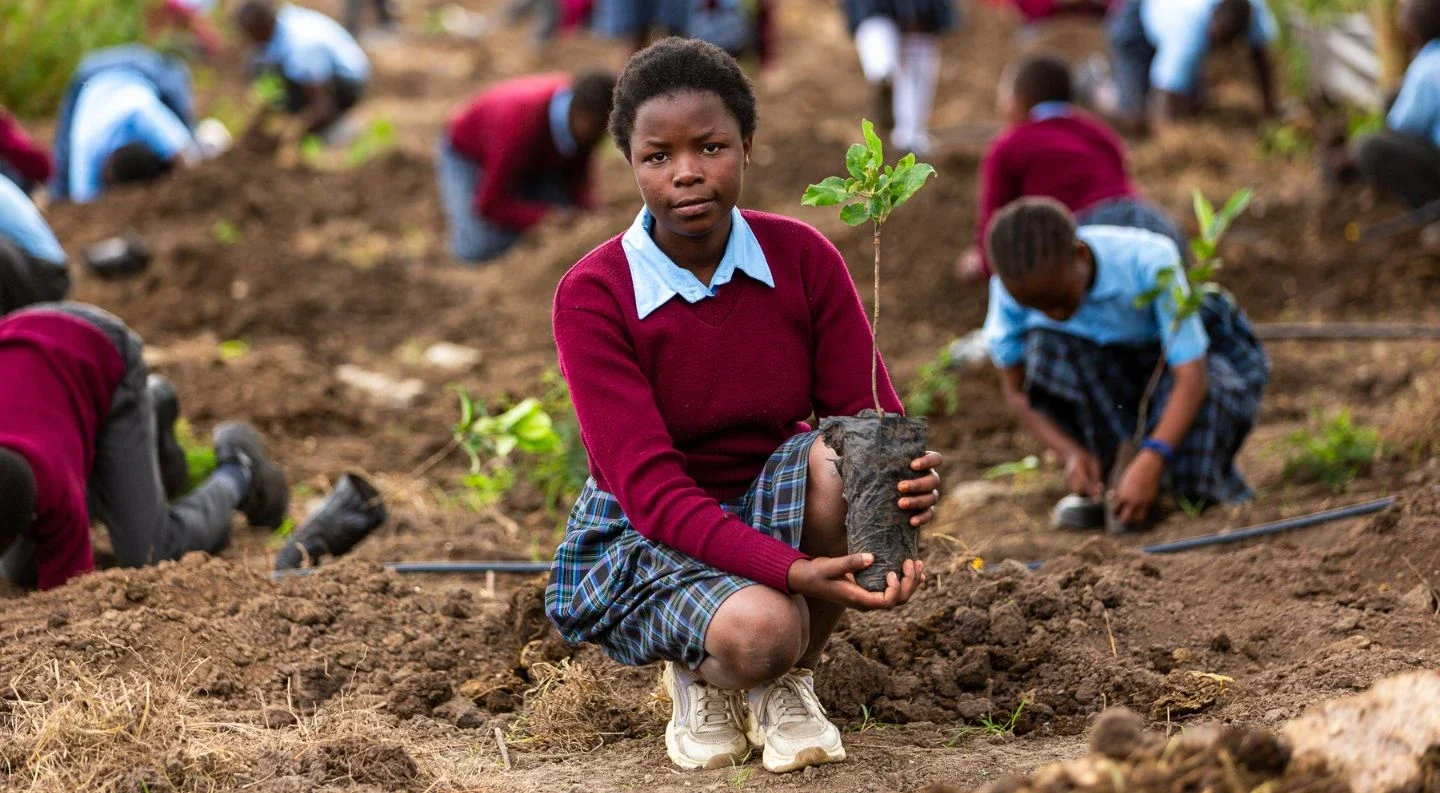
School Meals as Food Systems Transformation
Let’s start with the next generation. One of the most powerful levers to improve health, equip farmers, and support communities to thrive is school meal programs. We know that school meals are one of the best policies a country can invest in — and by leveraging public procurement, these programs can support more sustainable agricultural systems while also spurring economic growth.

Students enjoy a meal together in the classroom, part of a school feeding program that improves child nutrition and supports local food economies.
Last year, we committed $100 million to help provide nutritious and increasingly regenerative school meals to 100 million children. It is an ambitious effort, but the evidence is clear: school meals are one of the most cost-effective investments governments can make. Today, 466 million children benefit from them, and global investment has doubled since 2020. Even more encouraging, governments now finance 99 percent of school meal programs, 90 percent in LMICs. This strong national commitment to feeding children offers momentum for larger transformation, starting with school meal programs.
Together, these efforts point toward a future where food systems support healthier people, stronger farms, and more resilient communities.
The Economic Potential of Food is Medicine
Last year, about 15,000 small farms shuttered in the U.S. Simultaneously, more than half of Americans have a diet-related health condition. At the Foundation, we continue to invest in domestic solutions that can support farmers and improve health, especially for people struggling with cardiovascular disease, diabetes, obesity, and other diet-related chronic diseases. Food is Medicine programs, which provide produce prescriptions, medically tailored meals, and fresh groceries to people with diet-related health conditions, have significant potential to both improve health outcomes, while also supporting local farmers and state economies.
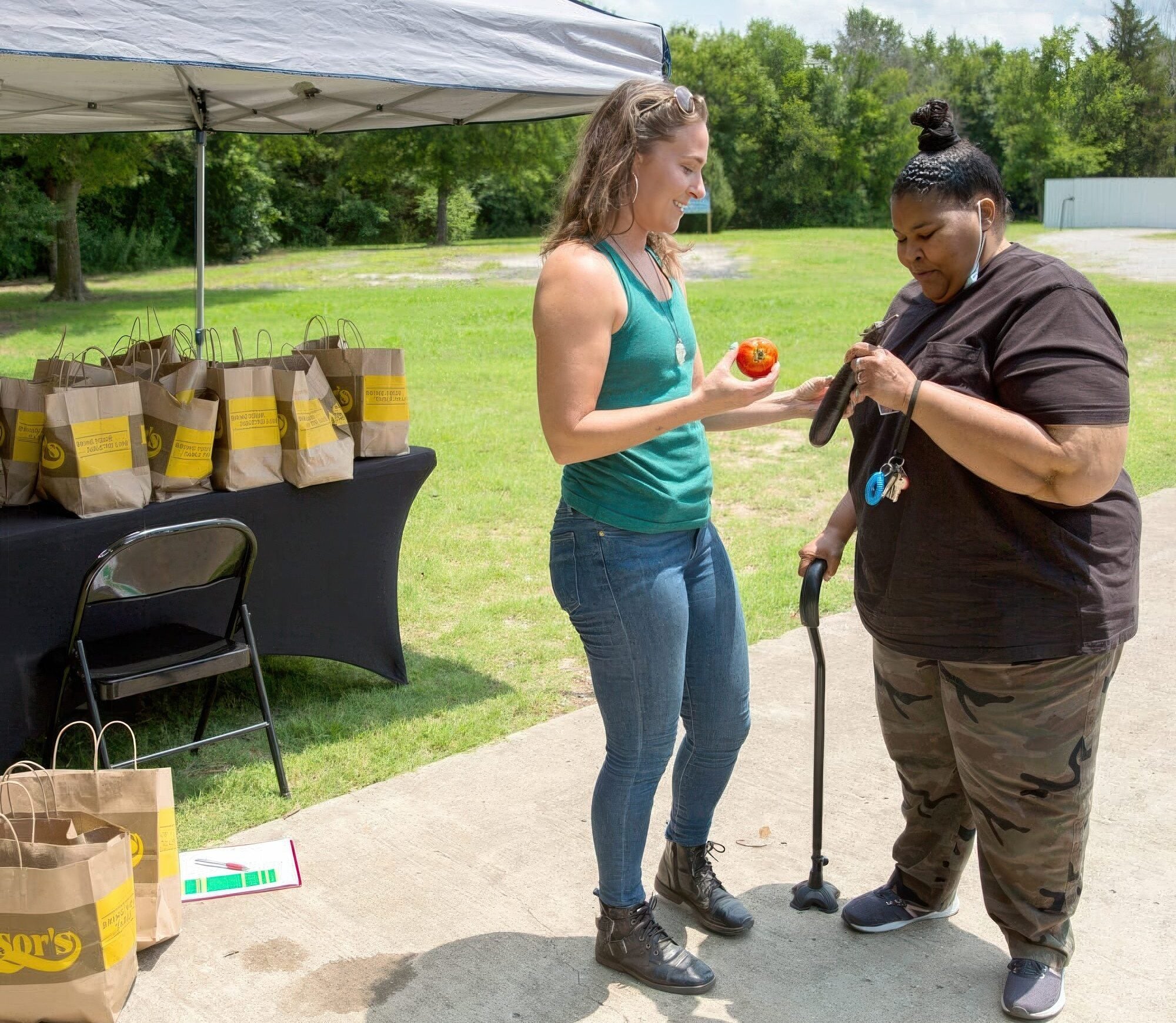
Community nutrition initiatives help connect fresh, locally grown produce with people who need it most, improving health while supporting farmers.
Just this week, we released a new report, which estimates Food is Medicine (FIM) programs could create more than $45 billion in state economic activity, generate 316,000 jobs and provide $5.6 billion for America’s small and medium-sized farms.
As Food is Medicine programs expand across the U.S., we have a unique opportunity to design them to support local farmers, local producers, and local providers — creating a consistent market for farm-fresh food.
- $0BillionBillion
potential economic activity from nationwide Food is Medicine programs
- 0JobsJobs
could be created across local food systems
- $0BillionBillion
in new revenue for small and mid-sized farms
Presenting an Optimistic Picture for the Future of Food
Each of these initiatives is part of a broader story about how food systems must evolve — with communities at the center of their transformation. Earlier this year, we premiered our new documentary, FOOD 2050, in Los Angeles. Created with Media RED and narrated by Viola Davis, the film follows activists, scientists, farmers, and entrepreneurs across eight countries who are reinventing how the world grows and eats. Their creativity and determination offer hope for the future of food and underscore a simple truth: real transformation happens when communities lead, and when global partners align behind their vision.
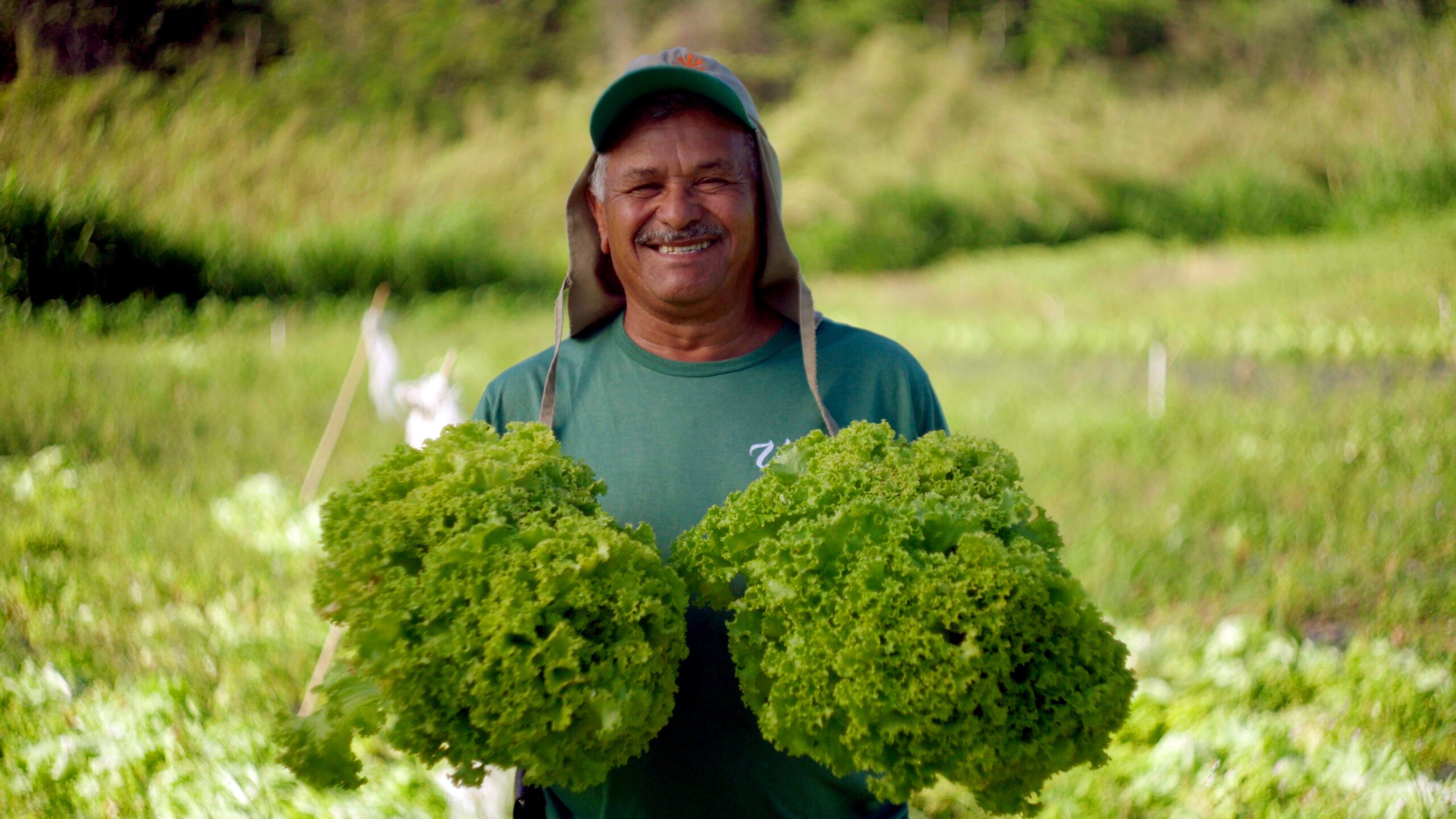
A farmer holds freshly harvested lettuce — locally grown produce plays a vital role in connecting agriculture, nutrition programs, and healthier communities.
Our big bets on Regenerative School Meals and Food is Medicine reflect that same spirit. When sourced from local farmers, including those using regenerative practices, they improve nutrition, expand economic opportunity, and strengthen climate resilience. And they show how practical, proven solutions can help shape a food future that is both nourishing and sustainable.
This vision is not just one of The Rockefeller Foundation — but of our many partners working across the globe every day — planting the seeds of a future we can be proud of.