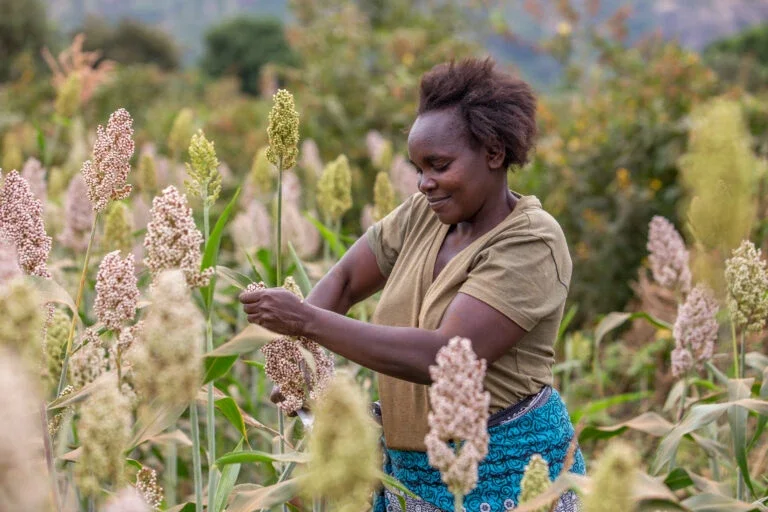
Regenerative agriculture — sometimes referred to as agroecology, organic, sustainable, or natural farming — restores soil health, biodiversity, and builds crop and land resilience to extreme weather. By opening markets through public procurement, we have an opportunity to connect regenerative agriculture with School Meal programs to create a resilient, nutrient-dense value chain — from soil to school — that delivers for farmers, ecosystems, and the next generation.
Watch to learn how regenerative school meals can improve nutrition and education outcomes while strengthening local economies and climate-resilient agriculture.
Why It Matters
- 0JobsJobs
created for every 100,000
children receiving school meals
- 0%%
increase in income
for smallholder farmers supplying food directly to schools
- 0xx
return on investment
in long-term individual and community impact for every dollar invested in school meals
Impact Stories
- Inspired by Brazil’s national school feeding program, The Rockefeller Foundation and its partners aim to provide 100 million children worldwide with nutritious, locally grown, regenerative meals that support both student health and sustainable farming.
- The Traditional Grains Mixture Project is focused on studying if innovations around an ancient practice — growing mixed grains in a single field — can improve global food security.
- The Amana Project is creating a transformative financial system to support smallholder farmers provide more nutritious food to schools while restoring soil health and safeguarding biodiversity.

- Report
Building a Public Good: Policy and Infrastructure Development in South Korea’s Universal Free, Environment-Friendly School Lunch Program
School meal programs are powerful investments that improve children's wellbeing and strengthen local economies. South Korea's transformation to a universal, climate-friendly system has reached over 5.26 million students daily and is demonstrating how strategic policy can unlock multisectoral benefits.Download the full report - Report
Financial Instruments Toolkit for Regenerative School Meals
Combining investment for agricultural production and school feeding opens up new pathways for funding streams. This toolkit offers a way to frame and package financial mechanisms, provides evidence on how regenerative school meals can increase credit worthiness and macroeconomic stability, and showcases national and local examples of financing structures delivering impact.Download the Toolkit
Featured Content
This opinion piece makes the case that regenerative meals not only nourish kids but can transform food systems globally.
- A case for how Regenerative School Meals can create jobs, improve nutrition, and build sustainable food systems — with lessons from Brazil and South Korea.
The Team
















Explore Our Related Food Work and Initiatives
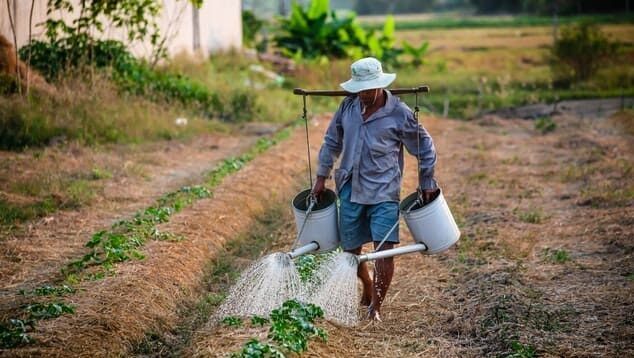
Regenerative Agriculture
A holistic and transformative approach to making food production systems more resilient while dramatically reducing negative impacts on people, nature, and the climate.
Explore More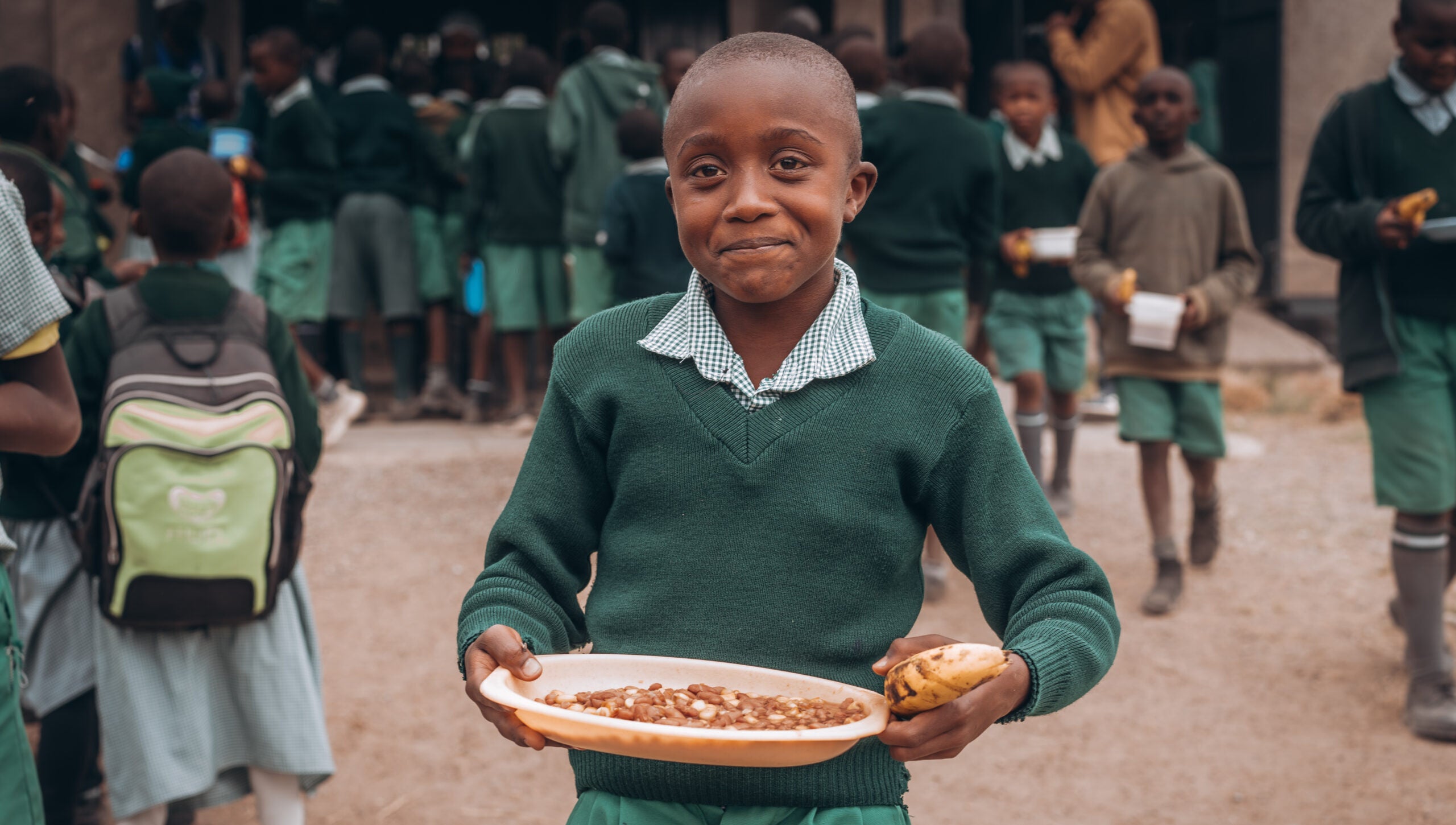
School Meals
Providing kids with nutritious school meals is the world’s most extensive social safety net. We support programs and people making this mission a reality across the globe.
Explore MoreRecent News
- Jan 16 2026Germany’s BMZ, Novo Nordisk Foundation, Rockefeller Foundation, and WFP Launch New School Meals Accelerator to Help Governments Reach an Additional 100 Million Children With Nutritious Meals
- Nov 18 2025New Research Finds Regenerative School Meals Could Feed Nearly 8 Million More Children Worldwide
- Sep 23 2025Rockefeller Foundation Joins Call to Action to Integrate Regenerative School Meals into National Climate Policies