Initiatives
- Battery Energy Storage System (BESS)The Battery Energy Storage System (BESS) Consortium was created to scale battery energy storage in low-and-middle-income countries, with the goal of galvanizing 10GWh in commitments in national energy roadmaps and policies by the end of 2024.
- Distributed Renewable Energy (DRE)A distributed renewable energy (DRE) scale-up initiative was formed to aggregate financing and procurement support for DRE systems, with the goal of enabling $1B in orders by the end of 2024.
Why It Matters
Energy poverty currently afflicts nearly half of humanity.
- 0MillionMillion
people still lack
access to energy in 2024
- 0MillionMillion
people need to be connected
each year through 2030 to achieve universal access to affordable, reliable, and sustainable energy
- 0%%
of global emissions growth
could come from low- and middle-income countries by 2050 if fossil fuels meet rising electricity demand
Featured Content
Impact Stories
- Founded in 2022 to galvanize critical climate action and drive down the cost of green energy in low- and medium-income countries, the GLC works with great urgency.

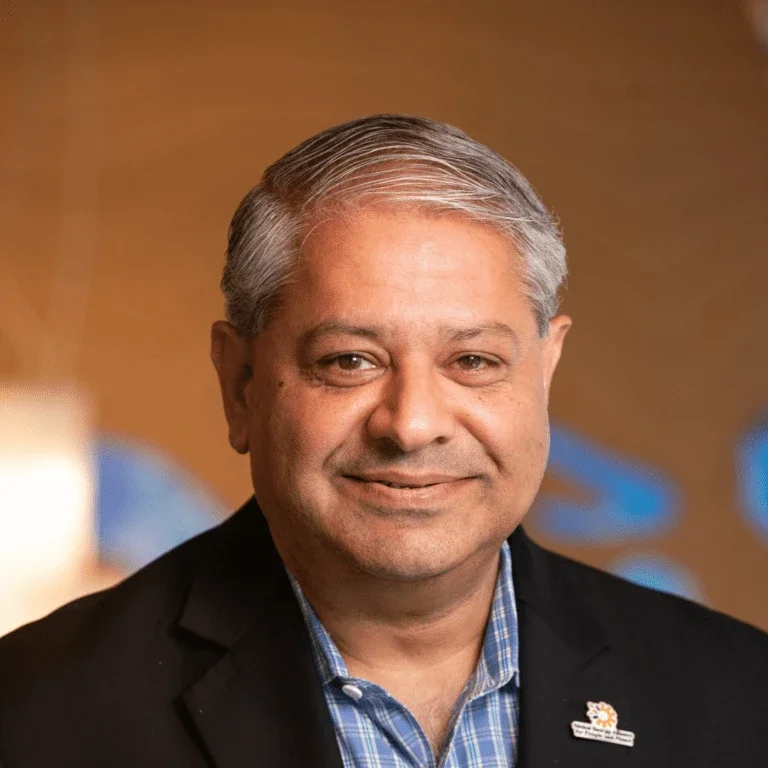
Our People
Recent News
- Sep 21 2023GEAPP GLC Powers Ahead To Accelerate Affordable Clean Energy for All
- Dec 02 202310+ Countries Join First-of-its-Kind Consortium to Deploy 5 GW of Battery Energy Storage Systems
- Sep 20 2022Coalition of Global Public and Private Sector Leaders Begin Breaking Down Barriers to Just Energy Transitions