Key Takeaways:
- 0%%
of people worldwide say their lives are affected by events in other countries
- 0%%
of people in the U.S. agree their country should cooperate on global challenges even if it means compromising on some national interests
- 0%%
of people would support international cooperation if it is proven to effectively solve global problems
Read the Full Report
Download PDFMore Reports
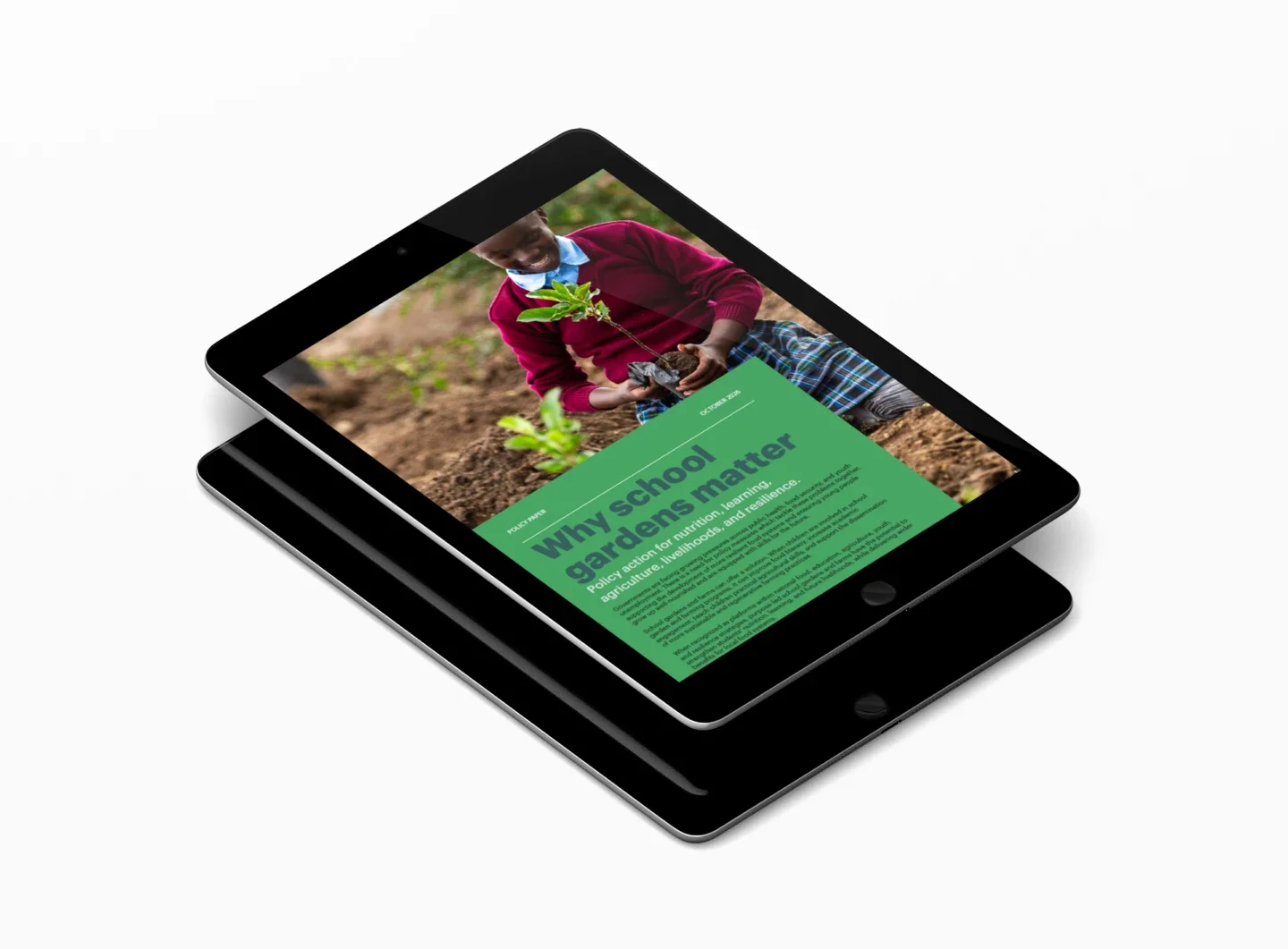
 ReportWhy School Gardens Matter This report explores how school gardens and farms can improve nutrition, enhance learning, build agricultural skills, and strengthen resilient food systems through integrated policy action.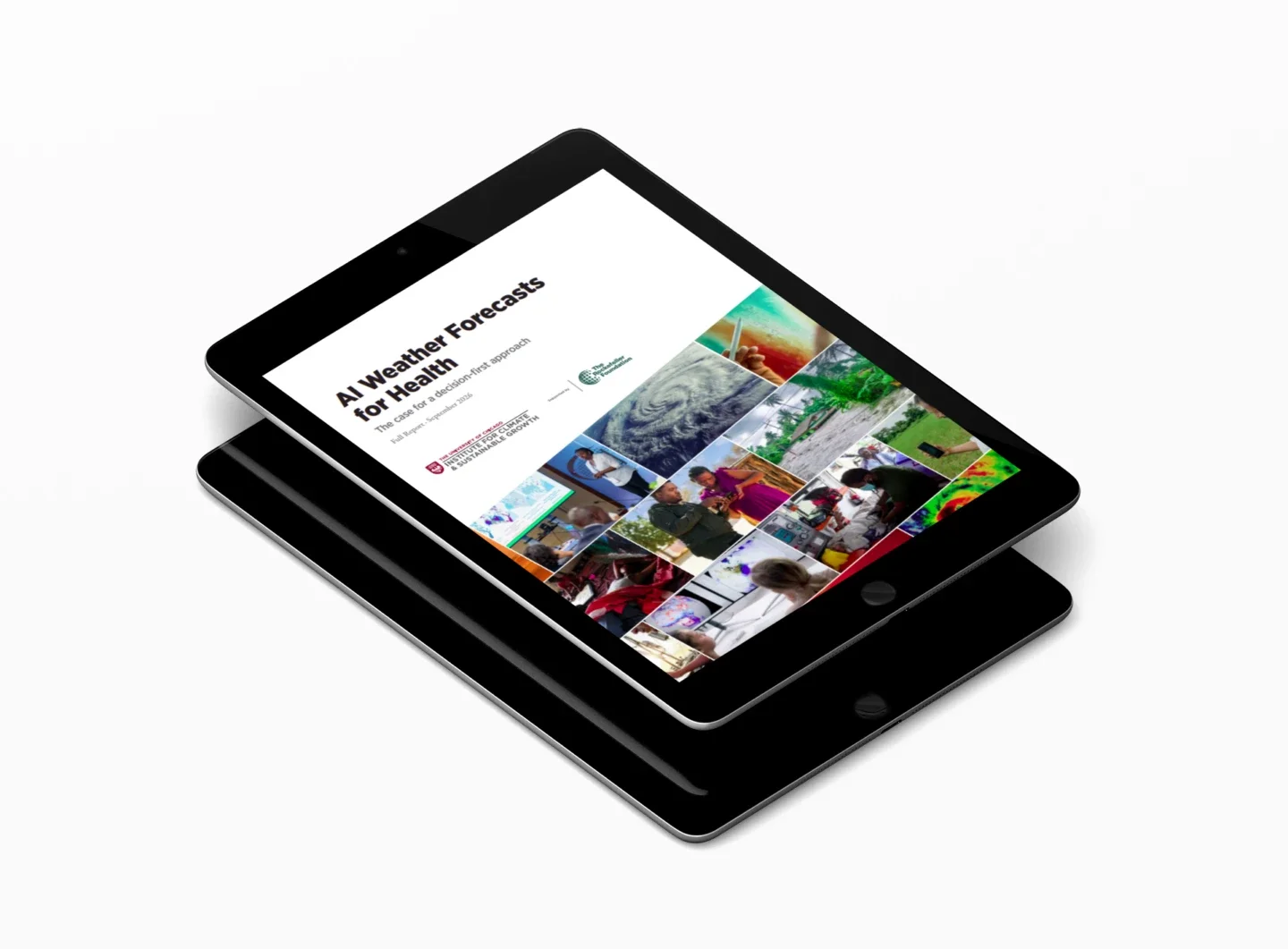
 ReportAI Weather Forecasts for Health: The Case for a Decision-First Approach A new report explores how AI-powered weather forecasts can help health systems anticipate climate-related risks and make earlier, more effective decisions.
 ReportSeeking Security and Opportunity in a Stormy World: A 34-Country Survey The 2026 survey finds that while nearly seven in ten people across 34 countries believe the world has gotten worse, support for countries working together remains strong, with preventing wars and conflicts emerging as the top shared priority.