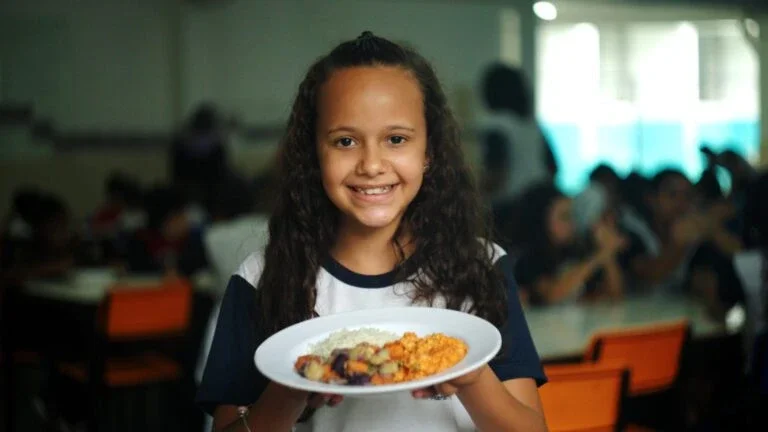
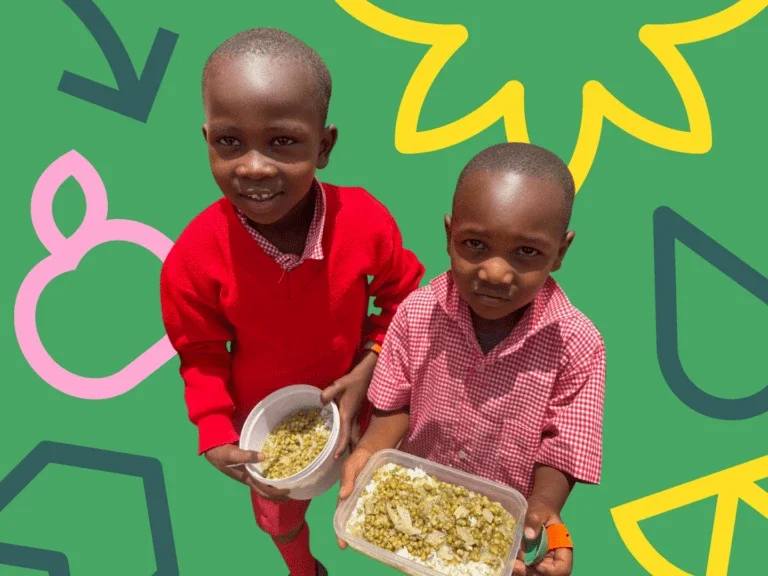
Our Big Bet on Regenerative School Meals is underway worldwide, from Ghana to Brazil and beyond, as part of our ambition to reach 100 million learners with more nutritious and regeneratively produced school meals by 2030.
Much of that work is happening in Southeast Asia, where school meal programs are proving they can do more than feed kids.
Why Southeast Asia
On the climate frontlines
The region is on the frontlines of the climate crisis. Farmers are experimenting with different ways to grow food that boost their resilience to changing weather patterns.
Procurement as a market
Public procurement offers a vital market to these farmers — an engine for local economies, more sustainable farming, and communities better able to withstand shocks.
Kids and farmers at the center
The idea is simple: keep kids and farmers at the center, so the food is grown close to home by the people it feeds.
Funding, technical expertise, and better data
Throughout Asia, The Rockefeller Foundation brings funding and technical expertise — with a focus on regenerative farming and better data — to help local partners and grantees grow their school meal programs and strengthen local farming communities.
Our goal: every child, across Asia and everywhere we work, can benefit from the nutrition, security, and comfort that comes from a daily nutritious meal.
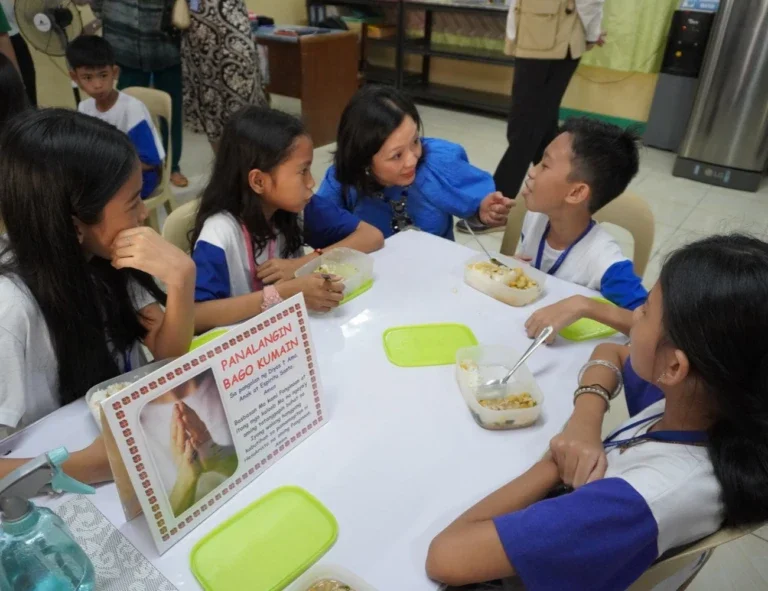
Where we're making an impact:
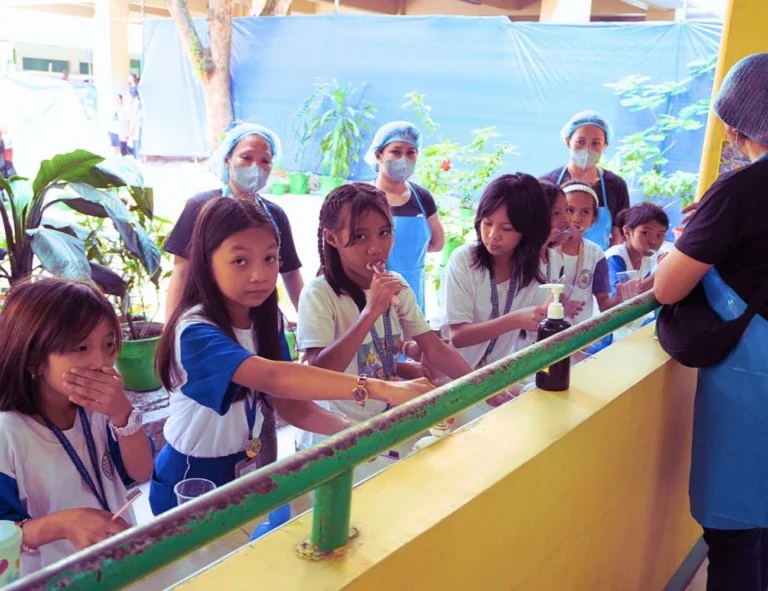
The Philippines
We are building national capacity to expand sustainably sourced and nutritious school meals — through technical assistance facilitated by the School Meals Accelerator, and grant-funded projects that support local capacity development.
There, school meals mean more than just food on a plate. They strengthen local economies, local farms, and local food supply.
Indonesia
We fund local foundations and organizations working to establish school meal programs rooted in regenerative farming, and bring technical expertise, evidence, and global experience to help governments make policy decisions, run their own programs, and strengthen food and nutrition systems.
The aim: sustain the food system that expanding school meal programs rely on, while supporting marginalized farmers.
How we're making an impact:
With the World Food Programme
We are funding initiatives to expand school meals in the Bangsamoro Autonomous Region in Muslim Mindanao (BARMM), a conflict-affected community, and Luzon.
Better data for local leaders
More robust data systems let stakeholders predict how weather and economic shocks will affect food insecurity, especially for the most vulnerable people — so leaders can prepare.
School kitchens to nearby farms
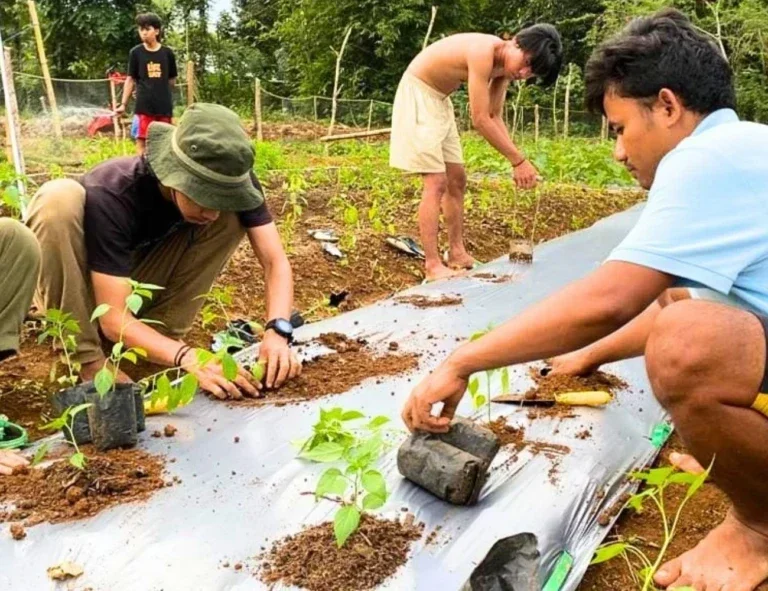
A pilot connects school kitchens directly to nearby farms. Regenerative farmers gain a reliable buyer; students get fresher meals grown in ways that build soil health and biodiversity.
Three provinces
Projects in Central Java, East Nusa Tenggara, and East Lampung: training farmers, connecting cocoa agroforestry into school meal programs, and community agriculture linked to school meals.
Nutrition standards
Over the course of 2025 and 2026 we have worked with global and local partner organizations on nutrition standards, to improve the quality of school meals.
School Meals Accelerator
Launched in January, the Accelerator will also support school meal efforts in Indonesia, beginning in late 2026.