All Perspectives / All Perspectives

The Fellows Powering Mission 300

Ciku Kimeria — Featured Writer

Mission 300 Fellows convene to accelerate energy access solutions across Africa. (Photo Courtesy of CoAction Global)

Sharon Matongo still remembers how reliable electricity changed her family’s life. In her early twenties, she saved three months of her salary to install a solar system at her mother’s home in Mutare, Zimbabwe. It changed everything.

Matongo could work remotely as the household had reliable power for the first time. But she also knows how rare that experience is. “This kind of reality is not ubiquitous,” she says.

Today, Matongo is a Mission 300 Fellow at Liberia’s Ministry of Mines and Energy, helping shape the policies and partnerships needed to expand electricity access nationwide.

Launched in October 2025, the Mission 300 Fellowship deploys talented, young African professionals to work with government institutions responsible for delivering national electrification plans. Implemented by CoAction Global with funding from the Mission 300 Accelerator — an initiative of The Rockefeller Foundation’s public charity, RF Catalytic Capital (RFCC) — the program supports the Mission 300 initiative.

Mission 300 is one of the most ambitious electrification efforts ever undertaken, with the goal of connecting 300 million Africans to electricity by 2030.

It is led by the World Bank and the African Development Bank with support from The Rockefeller Foundation, the Global Energy Alliance for People and Planet, and Sustainable Energy for All.

More than 730 million people worldwide still lack access to basic electricity, nearly 600 million of them in Africa. Power outages disrupt businesses, hospitals struggle to operate equipment, and millions of students study by dim light. This energy deficit affects nearly every aspect of development, making energy poverty one of Africa’s most pressing challenges.

But achieving universal energy abundance is not just about financing infrastructure or building power plants. It is also about ensuring governments have the capacity to plan, coordinate, and implement complex reforms. That is where the Mission 300 Fellowship comes in.

“Seeing firsthand the daily impact of limited electricity access (power cuts, unsafe streets, heat) made me understand the urgency and human significance of the work we are doing as Mission 300 Fellows,” says Placide Fakhigui Assana, a Mission 300 Fellow working with Chad’s Compact Delivery and Monitoring Unit.

Building Capacity Where It Matters Most

The Mission 300 Fellowship is deploying fellows across 18 African countries, helping governments strengthen institutional capacity, coordinate reforms, and accelerate progress toward universal energy abundance.

Selected from a highly competitive pool of applicants, fellows work with ministries of energy, utilities, and electrification agencies for two years. Their task is simple in theory but complex in practice: helping governments translate ambitious electrification plans into results on the ground.
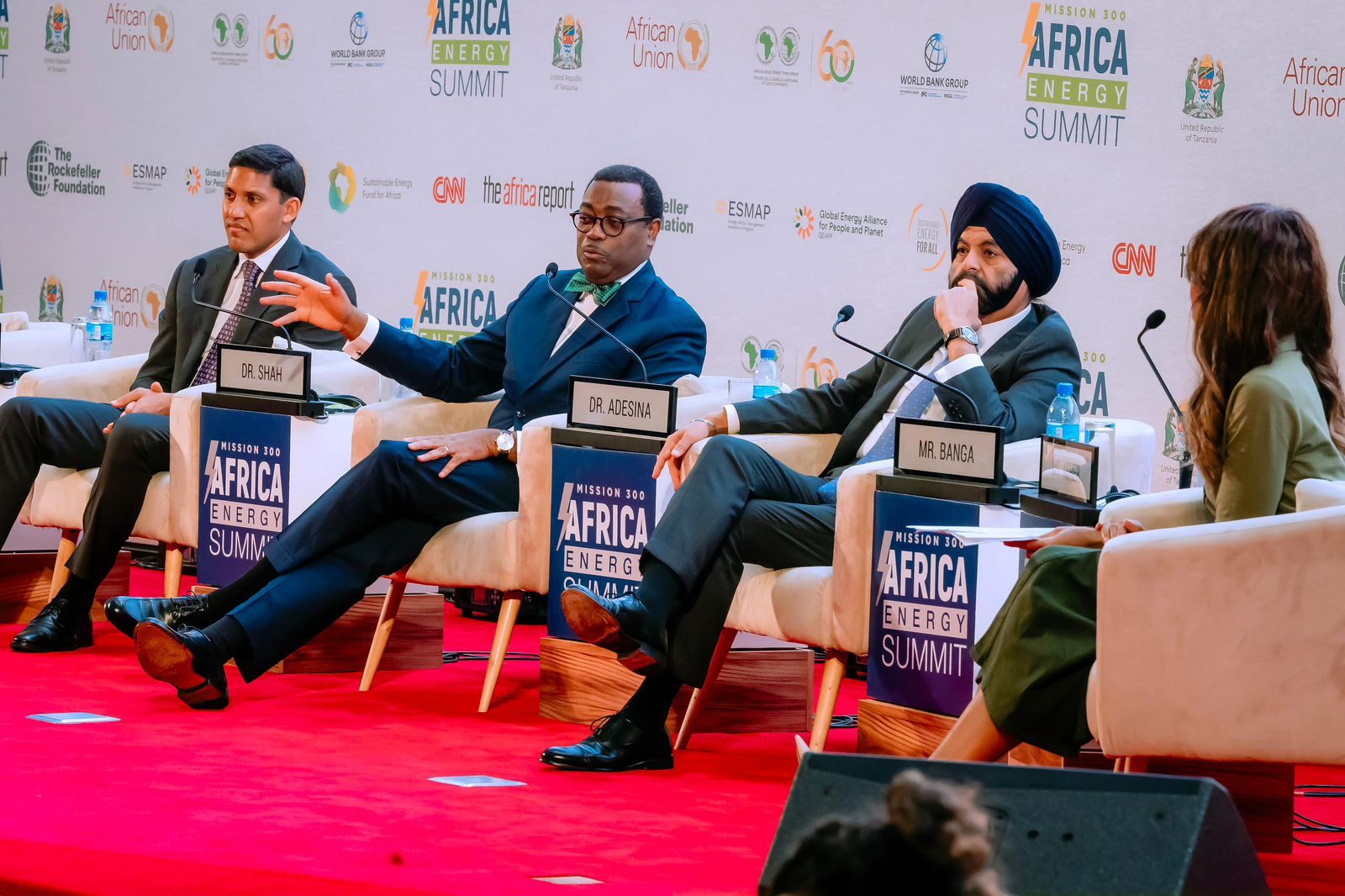
Leaders discuss Africa’s energy future at the Africa Energy Summit. (Photo: The Rockefeller Foundation)

Many energy ministries across Africa operate with limited human resources and gaps in specialized expertise. Smaller governments may lack staff to manage complex projects or negotiate large-scale power investments. Others struggle to coordinate across ministries responsible for finance, planning, infrastructure, and rural development.

Even when policies look strong on paper, implementation can stall.

“Countries have made commitments through their National Energy Compacts,” explains Andrew Herscowitz, CEO of the Mission 300 Accelerator. “But governments need the human resources to actually deliver on those commitments.”

The Work Behind the Reforms

Fellows help move national energy compacts from policy documents to real-world implementation.

Their work aligns with Compact Delivery and Monitoring Units (CDMUs), specialized teams that lead implementation and track progress of compact commitments. They also assist governments in identifying capacity gaps, resolving project bottlenecks, and aligning ongoing electrification programs with national priorities.

The day-to-day work varies widely depending on the country context.

In Lesotho, fellow Hope Miriti helped develop the terms of reference for the country’s CDMU and co-developed the national implementation roadmap, defining milestones and reporting systems to ensure accountability across institutions.

In Burundi, fellow Desire Wade Atchike drafts policy decrees ranging from the export of electricity to its commercial use, as well as creates proposals for how to garner more private-sector support.

Sesneica Fernandes, a fellow in Mozambique described this work as essential to the success of energy reform. “Large-scale energy transition efforts are not constrained by ambition; they are constrained by how effectively strategy is translated into operational structures,” she asserts.

Africans Supporting Africans

What makes the fellowship particularly distinctive is its model: African experts working with other African countries.

Rather than relying on external consultants, the program builds a pan-African network of professionals who bring both technical expertise and an understanding of the continent’s institutional realities.

Fellows bring political awareness, cultural familiarity, and practical insight into how policy decisions play out. They also exchange lessons across countries facing similar challenges.

“Sharing experiences with other fellows has been invaluable,” Assana notes. “Even though we work in different countries, our challenges are often similar.”

Over time, this network could become one of the program’s most lasting legacies — a community of African energy leaders collaborating across borders.

Why Youth Are Central to Africa’s Energy Future

The fellowship also reflects a broader belief that young Africans must play a central role in the continent’s energy transition.

Africa is the youngest continent in the world. The World Bank estimates that by 2050, one in three people aged 15–34 globally will be African. Many of those young people will depend on electricity not only for daily life but also for employment and economic opportunity.

Elizabeth Obode, a fellow working with the government of Sierra Leone, describes electricity as the backbone of development.

“Electricity is the lifeblood of industry,” she says. “It determines who progresses and who is left behind.”

A Future Powered by Electricity

The impact of Mission 300 can reach far beyond the energy sector.

For many communities, electricity represents the difference between survival and opportunity.
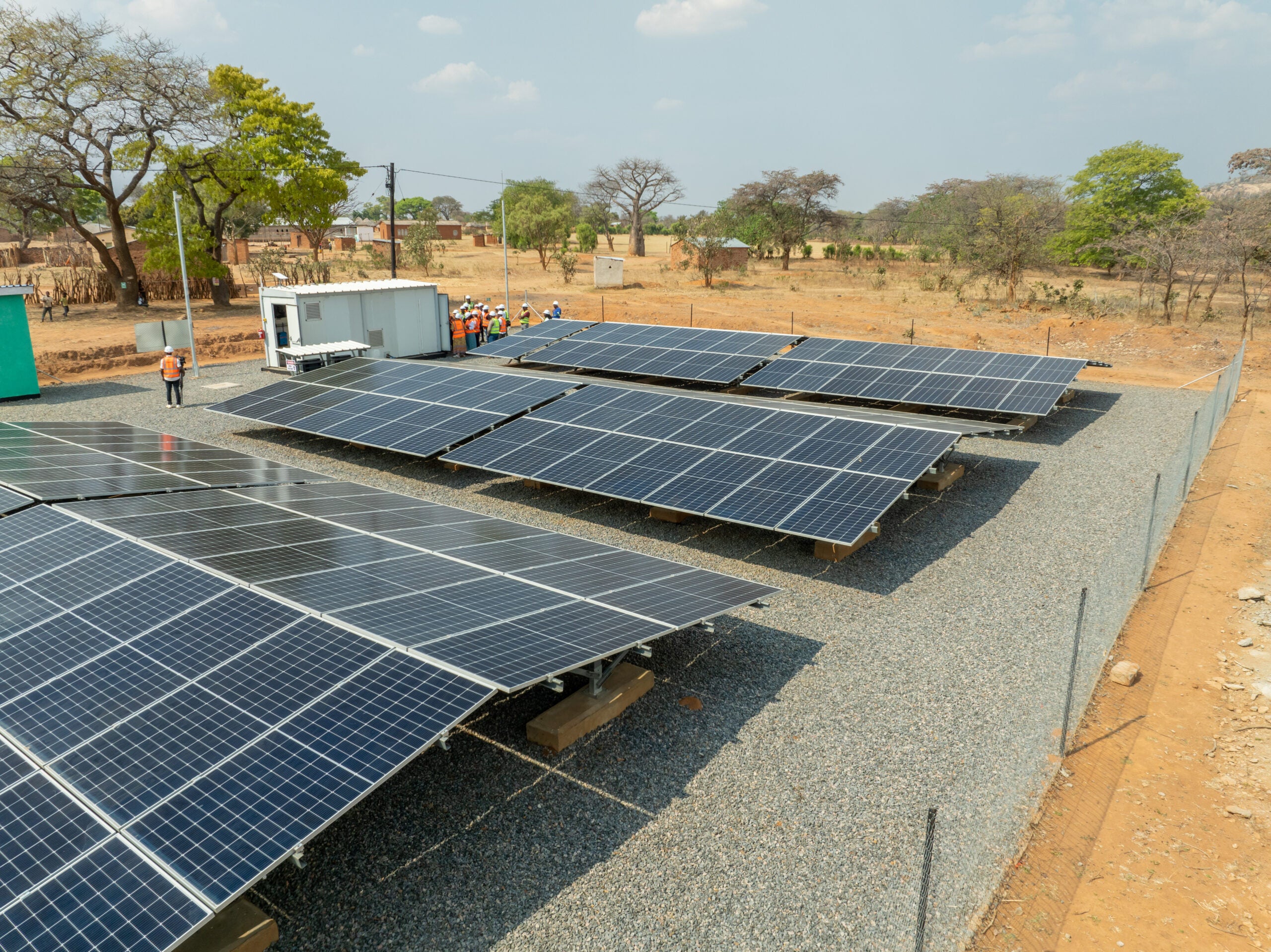
“Here in the Republic of Congo, electrification could unlock important growth through industrialization of the forestry and mining sectors, which lays the foundation for a genuine diversification of the economy,” says Youssef Ben Henda, a fellow in the Republic of Congo.

The work these fellows are doing today can help bring electricity to hundreds of millions of Africans, powering a new chapter in the continent’s development story.

For the fellows working with ministries across the continent, the stakes are not abstract.

“I can see my grandmother in the work that we’re doing. Apart from all the politics and bureaucracy, this work is really about serving humanity,” Matongo says.
Read More