Mission 300, an initiative led by the World Bank Group and African Development Bank, aims to bring 300 million Africans access to electricity by 2030 with support from The Rockefeller Foundation, the Global Energy Alliance for People and Planet, and Sustainable Energy for All.
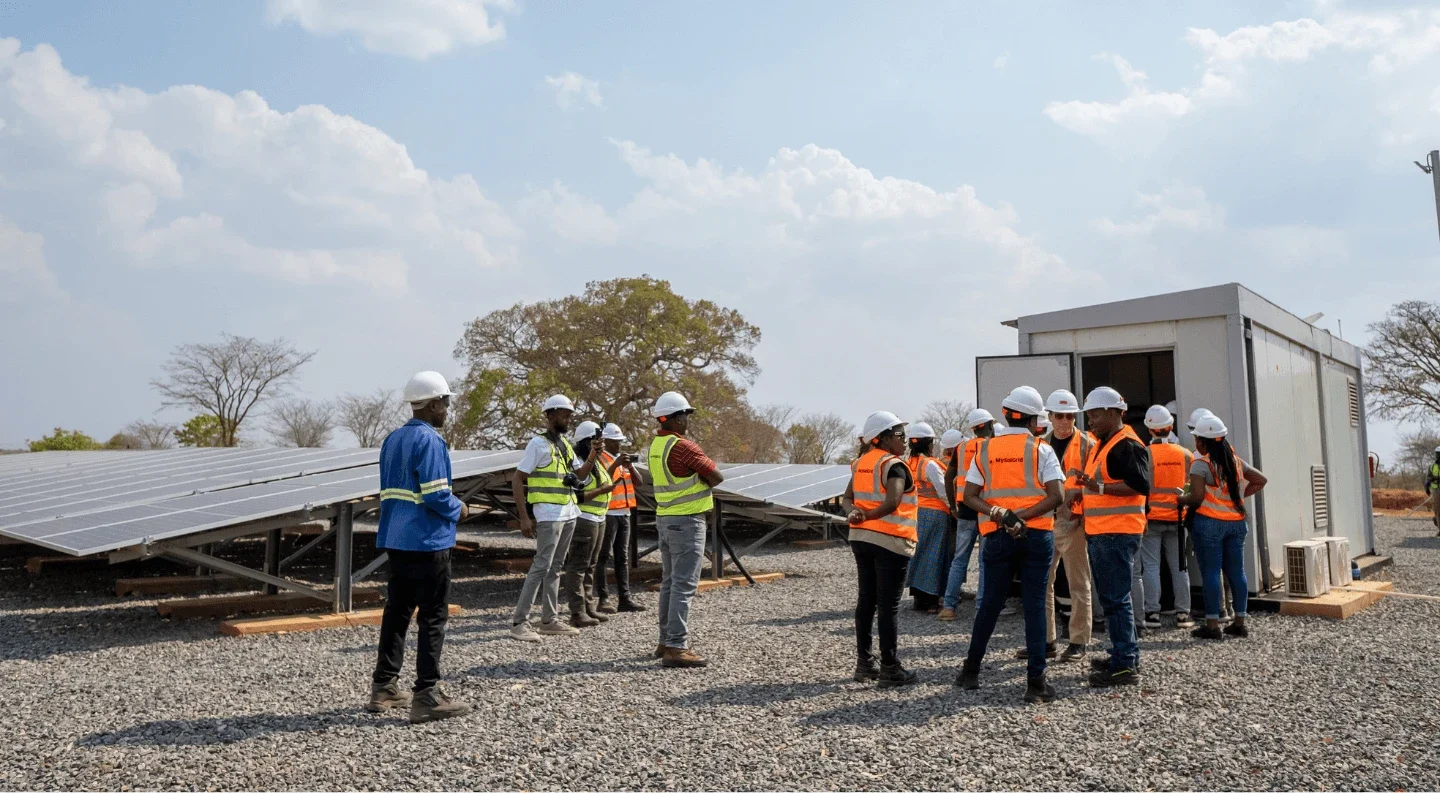
New Jobs in the Power Sector
Electrification starts with building out the grid itself, as well as off-grid solutions like mini-grids — and that requires workers. Yariv Cohen, the CEO of Ignite Energy Access, one of Africa’s largest mini-grid operators, envisions a solar industry that could train tens of millions of Africans by 2030.
His company trains around 30,000 agents across multiple countries every year — with more than 200,000 people trained to date — in sales, distribution, solar installation, after-sales service, and credit.
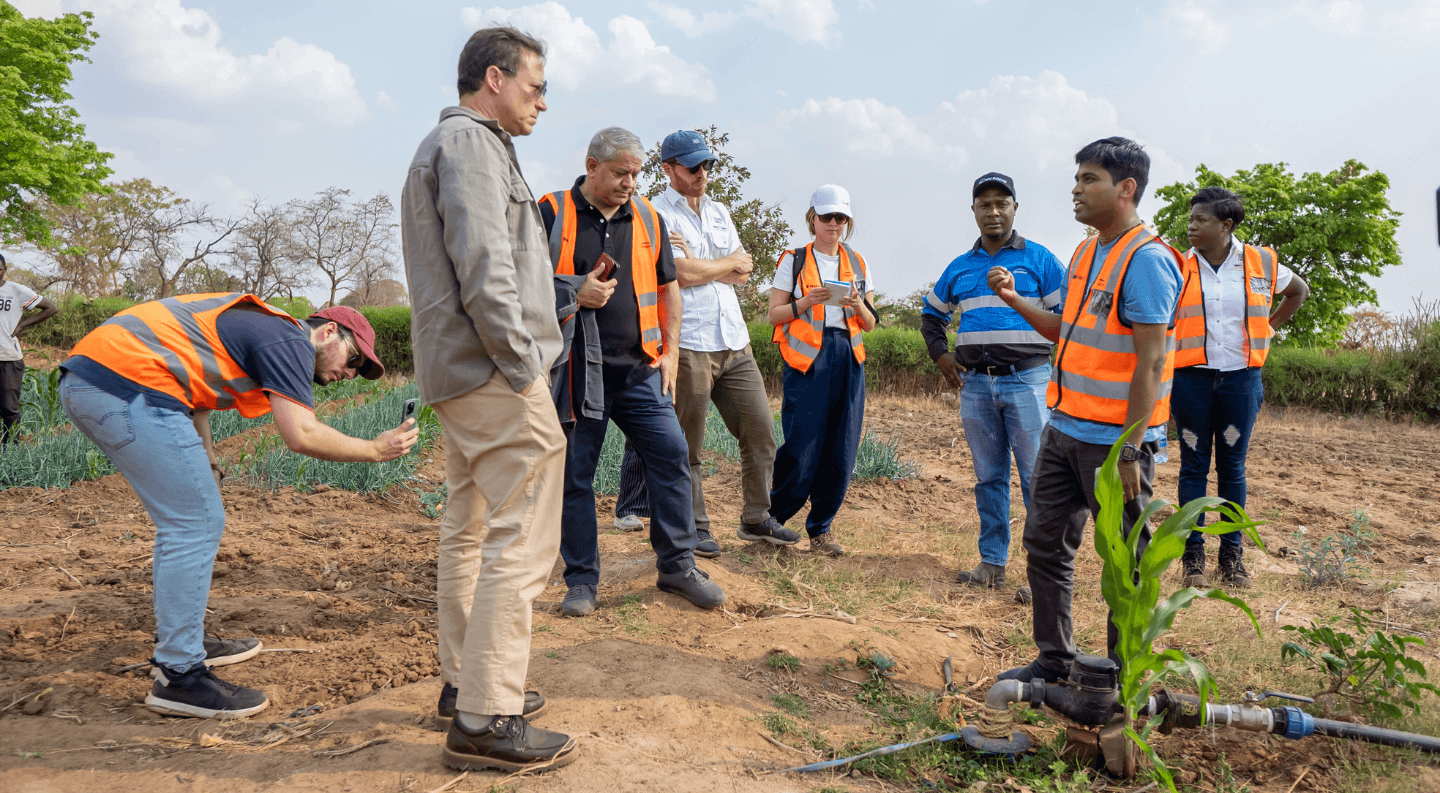
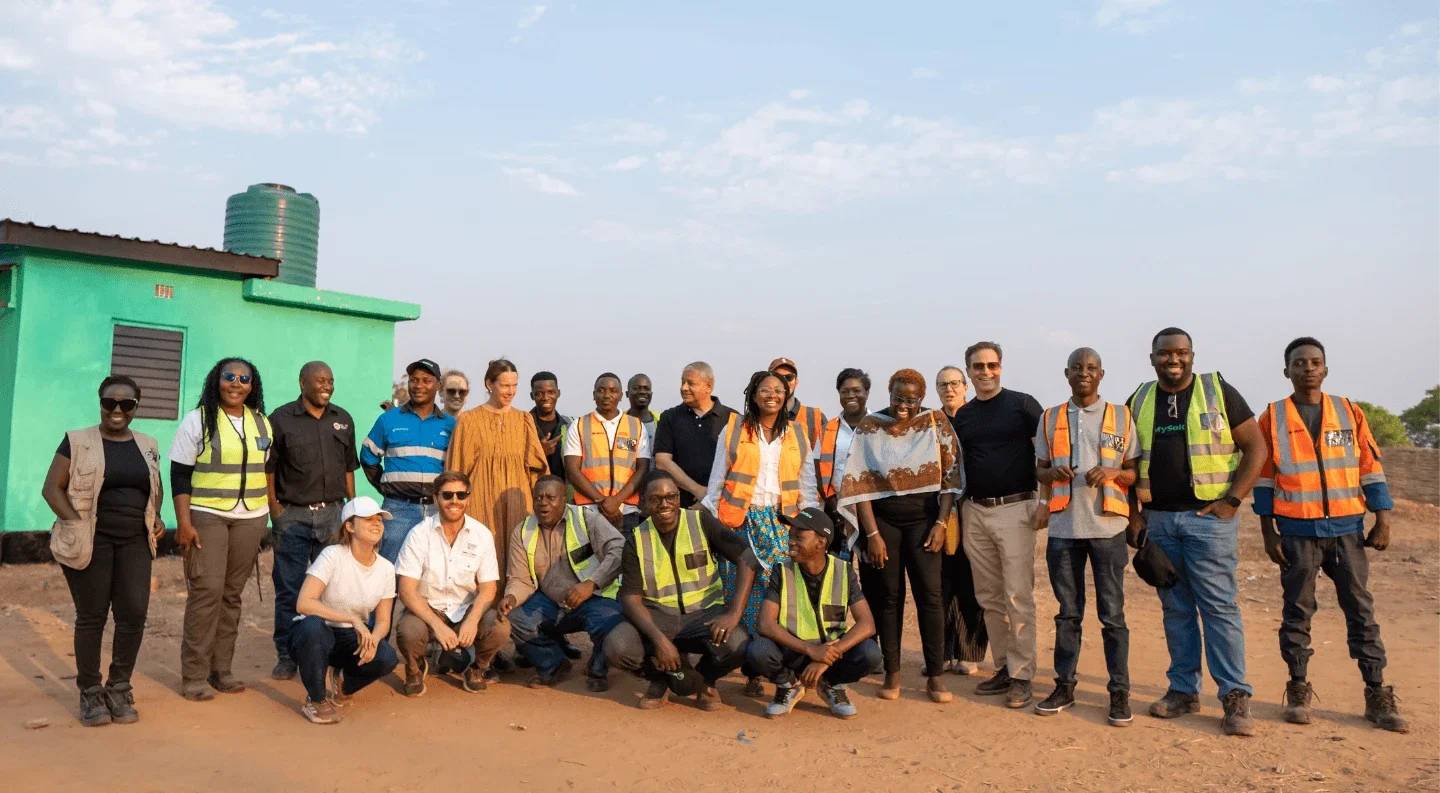
Equipping communities with skills for electrified agriculture.
As the World Bank Group and African Development Bank finance hard infrastructure like transmission lines, distribution networks, and new power generation, millions of construction, operations, and maintenance jobs will follow.
Frequently, we hear calls to start manufacturing power components, such as inverters, solar panels, and batteries, within Africa. While those types of jobs would be positive, there needs to be sufficient demand in the African market for this type of manufacturing to be commercially viable in a globally competitive market.
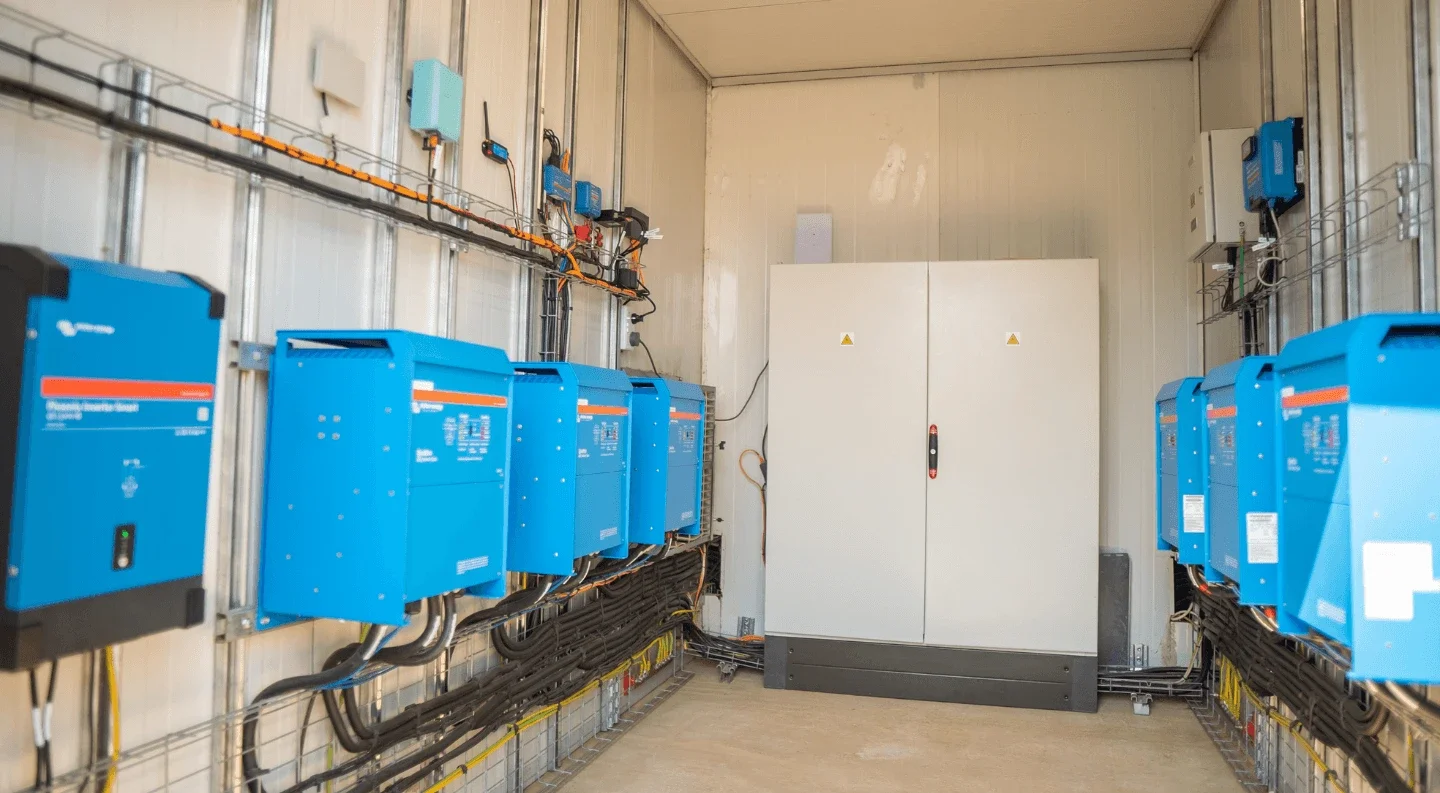
Better, More Productive Jobs
Electricity doesn’t just create new jobs — it transforms existing ones.
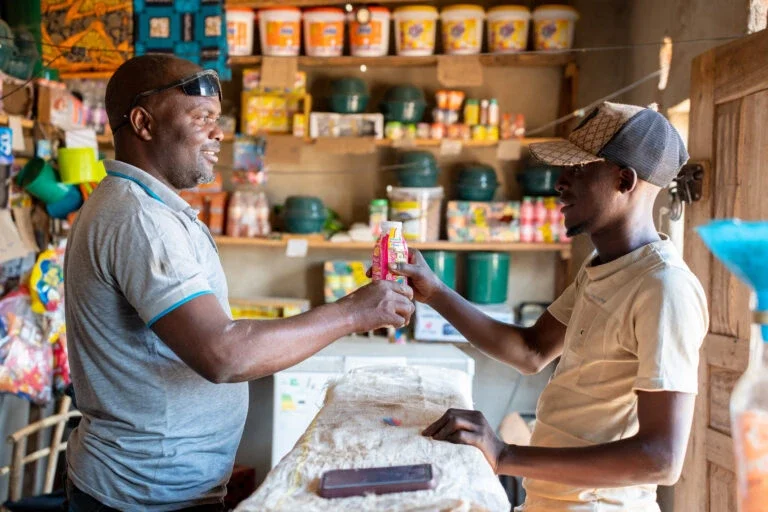
Last year, I met with a vendor in a remote area of Zambia who was connected to a new mini-grid. She said that electrification increased her income, allowing her to sell cold drinks and making her shop a hub for the community. A farmer in the same community used an electric pump to water his fields in the midst of a drought, increasing his yields and his income. Other community members milled grain more efficiently and refrigerated produce so it wouldn’t spoil.
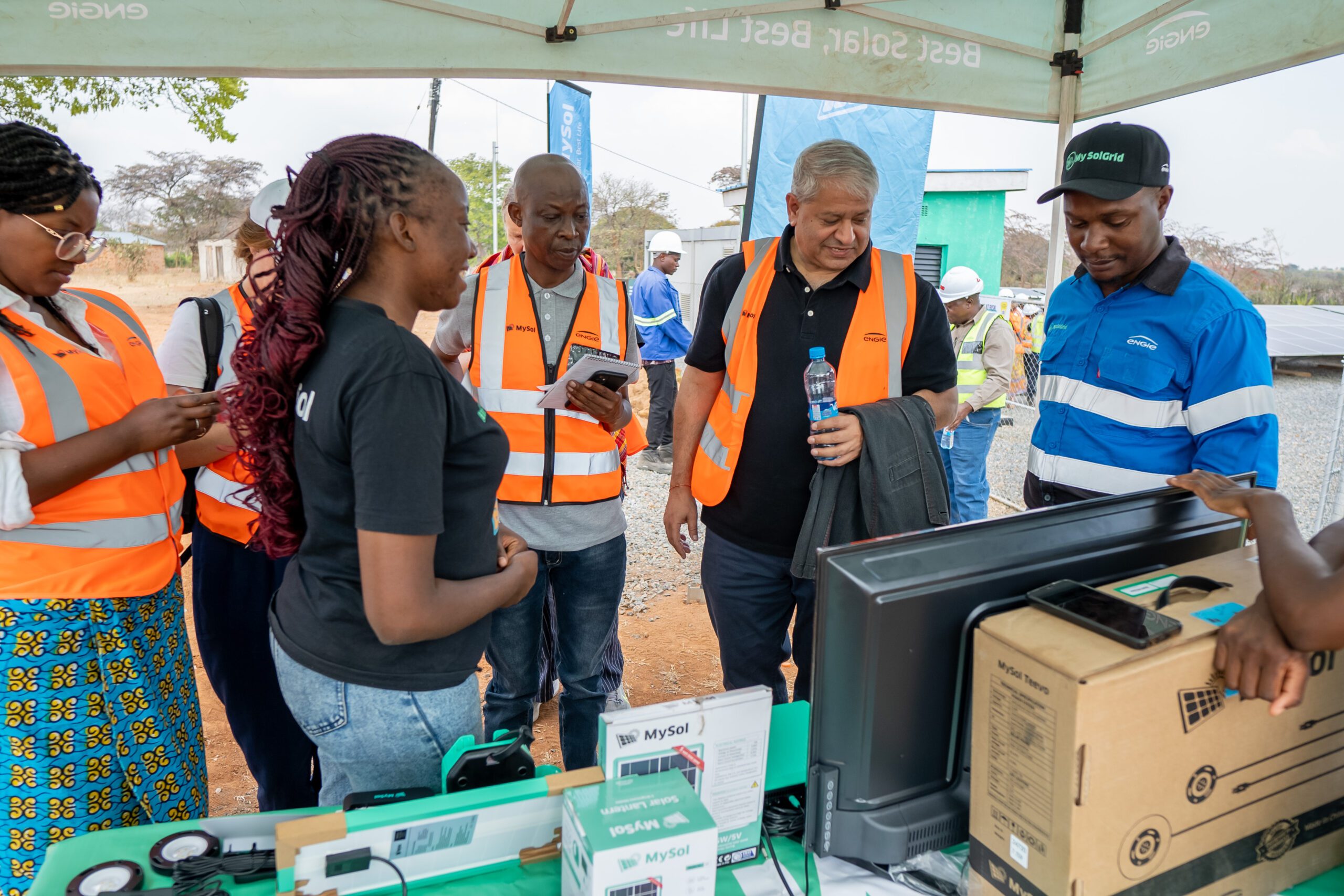
Showcasing solar technologies to support local communities.
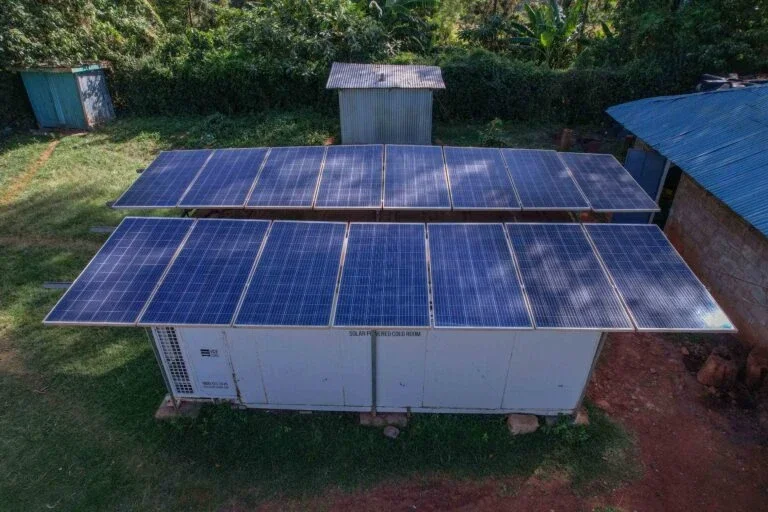
In Kenya, farmers are reducing post-harvest loss from highs of 40% to under 5% by leveraging solar-powered cold rooms.
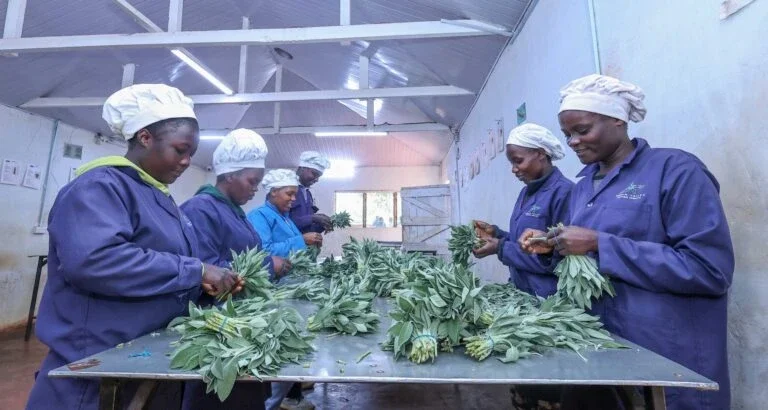
Access to electricity allows communities to engage in small-scale manufacturing, like canning tomatoes or packaging products, adding value to their products, creating additional jobs, and increasing incomes.
Layer in internet access and AI tools, and the gains multiply further. Farmers can diagnose issues with their crops in real time and verify they are receiving fair market prices. Local businesses can reach more customers.
And the biggest job creator is large-scale, globally competitive manufacturing. When you have low-cost power alongside an educated workforce, accessible raw materials, cross-border trade, inexpensive financing, and a predictable and investment-friendly climate, you’ll find industrial growth.