One message stood out: the need for practical, real-time learning that speaks directly to the policy challenges that countries are confronting now, not tools that sit outside the policymaking process.
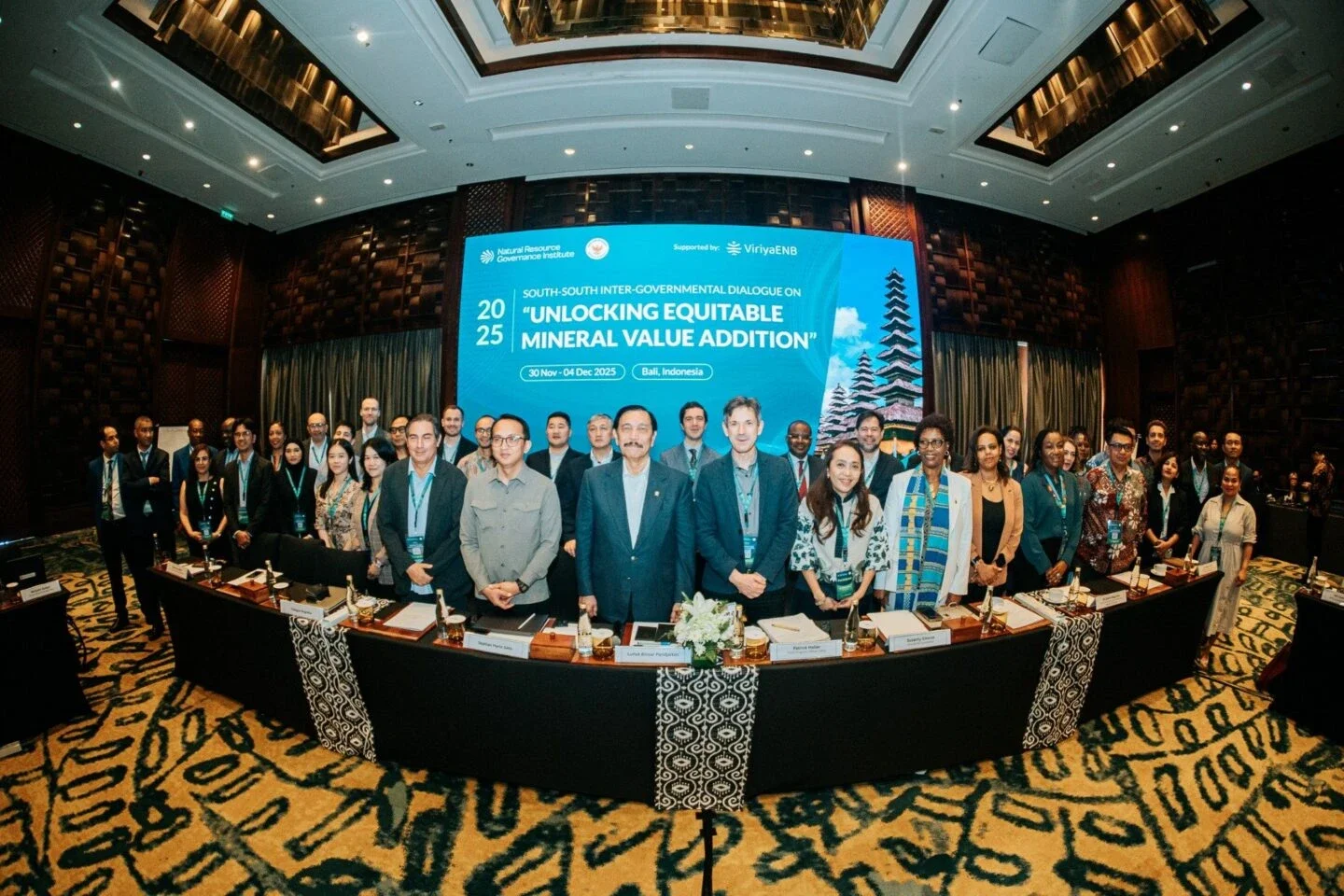
That recognition — voiced directly by policymakers — is the starting point for the South–South Transition Minerals Learning Platform, which NRGI and partners launched last week in Bali, Indonesia with support from The Rockefeller Foundation. The launch followed a four-day international dialogue co-hosted by the Indonesian government and NRGI on “Unlocking Equitable Mineral Value Addition,” which gathered officials from 10 Global South countries to share experiences, ideas and opportunities to drive sustainable development of economic opportunities around the global race for transition minerals.

The platform is built around a simple but powerful idea: countries learn best form one another when that learning is directly connected to the policy challenges they are confronting. This represents an evolution from dialogue to co-production of knowledge: countries working together, in real time, to develop, test, and refine best practices that respond to their own development priorities
The inaugural meeting of the platform enabled participants to map their priority challenges and shape the initial learning agenda. Our discussions focused on real policy choices governments are weighing now — including how to assess the commercial and infrastructure requirements for value addition and linkages to national development strategy — providing a concrete foundation for the collaborative work ahead.
Indonesia’s own experience featured prominently in these early exchanges. Despite external pressure from trading partners to lift raw-material export bans, Indonesia prioritized national development objectives as part of a broader industrial strategy. This approach has helped catalyze large-scale downstream investment, while also underscoring the importance of regulatory adjustment and institutional capacity to manage trade-offs during implementation.
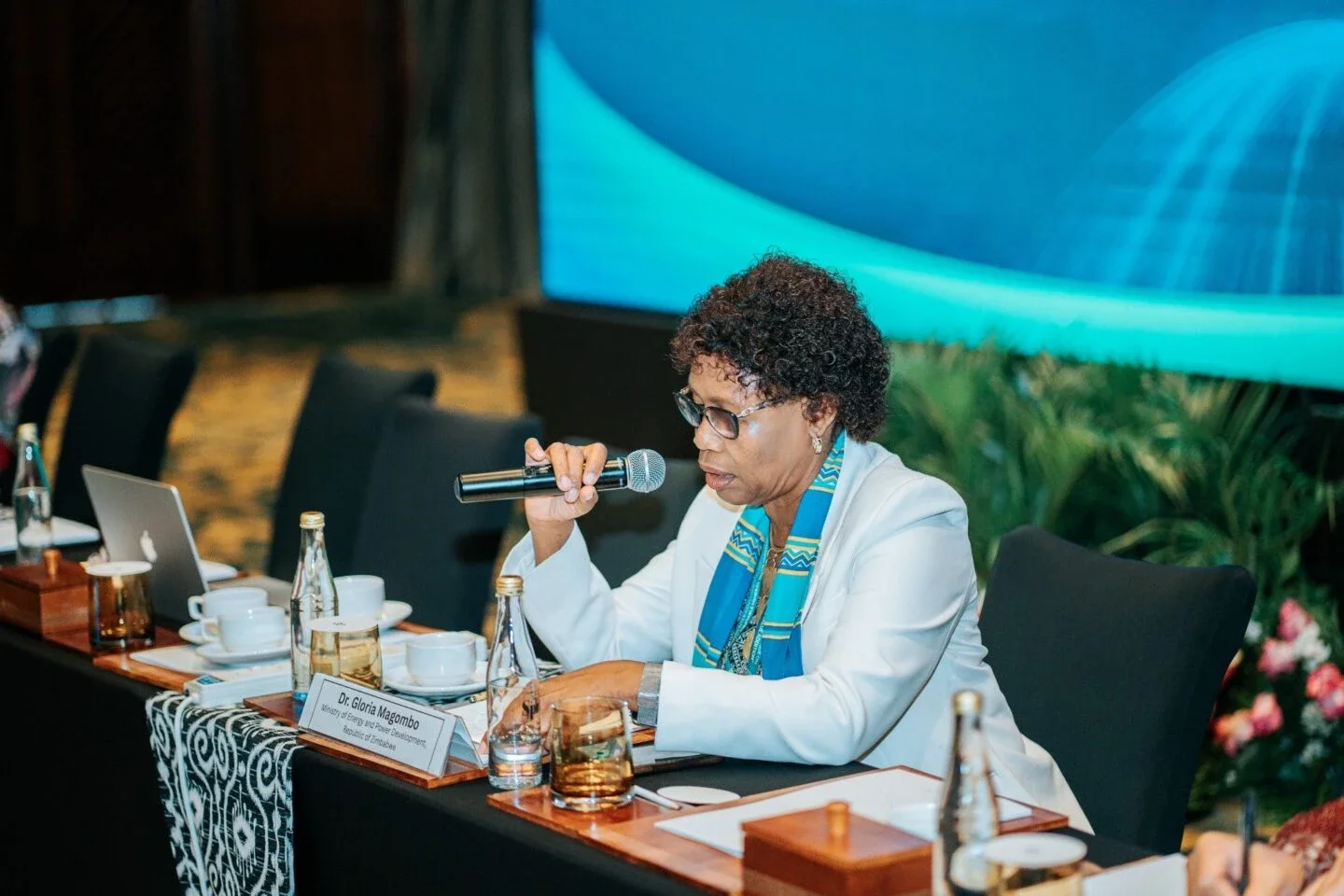
Together, we aim to foster continuous engagement: participants will meet regularly through regional and thematic workshops, virtual exchanges and targeted research collaborations. These mechanisms ensure that South–South learning is sustained, with countries identifying learning priorities, continually sharing experiences, and testing new approaches. The approach responds to what policymakers have consistently emphasized: the most valuable knowledge sharing comes from peers. Participants in the platform launch emphasized the important role it can play in grounding policymaking in learning and evidence.
Septian Hario Seto, Executive Secretary for the National Economic Council of Indonesia, said, “For Indonesia, downstream industrialization has never been about copying models from elsewhere. It has been about making clear policy choices, learning through implementation, and continuously adjusting based on what works and what does not. This dialogue showed the value of countries learning directly from one another — sharing not just successes, but also the challenges and trade-offs involved in turning mineral wealth into long-term economic value.”
Looking ahead, the next year represents an opportunity to deepen this community of practice and generate the evidence and peer-to-peer learning governments need most. As this work unfolds, NRGI and The Rockefeller Foundation are committed to supporting decisionmakers as they research best practices that advance economic opportunity, safeguard communities and the environment, and ensure that the energy transition delivers meaningful benefits across the Global South.