Overview
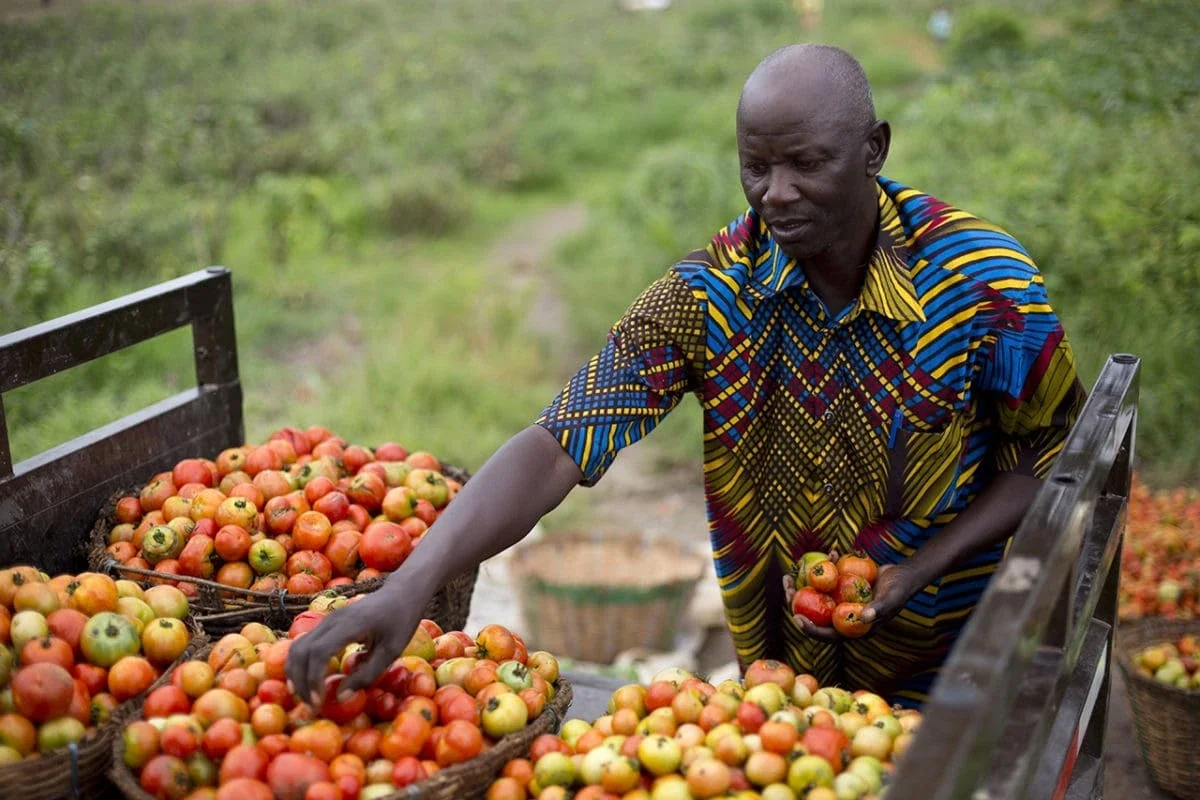
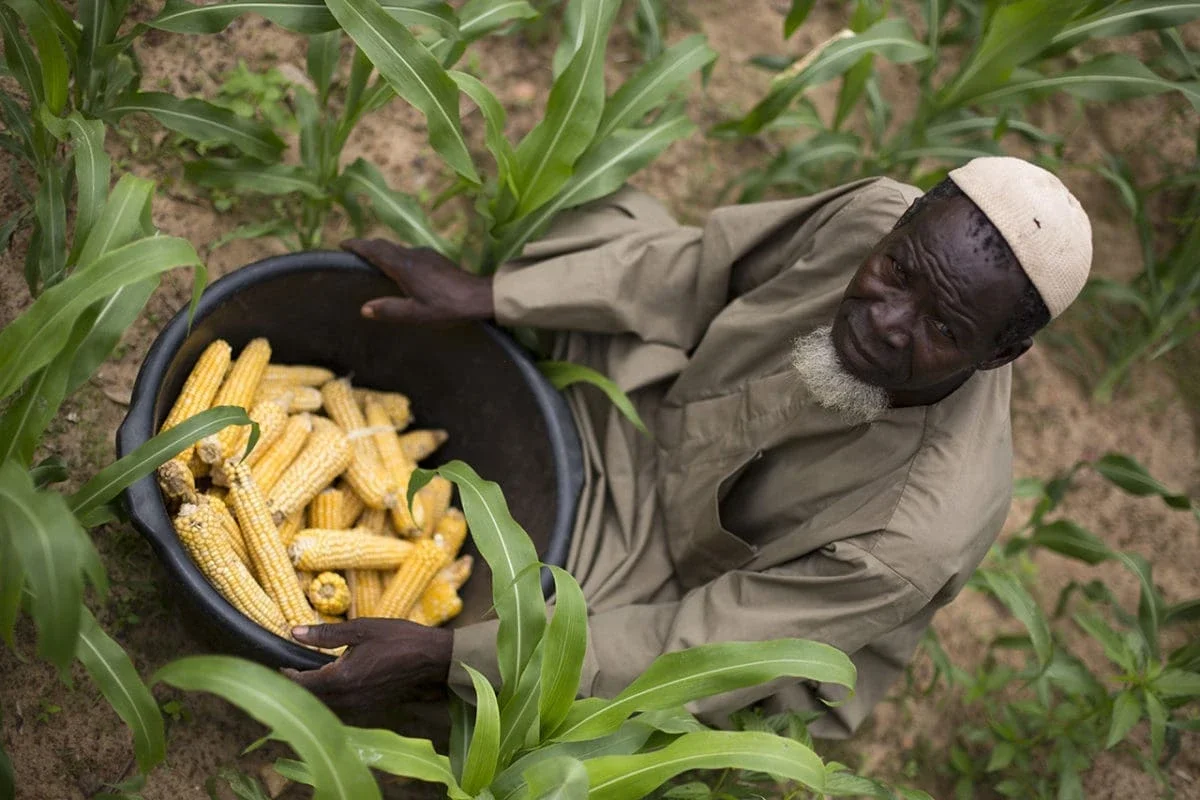
Two decades ago, The Rockefeller Foundation launched an ambitious effort to feed millions of people in Africa while at the same time making the global food system more sustainable. In partnership with The Bill and Melinda Gates Foundation, we launched the Alliance for a Green Revolution in Africa (AGRA) with the shared the belief that improving agriculture in Africa was the best way to reduce poverty and hunger on the continent.
AGRA at first focused on supporting scientific advances in nutrition and food production in Africa’s “breadbasket region” in Ghana, Mali, Mozambique, and Tanzania. By 2010, work expanded to 13 African countries to pursue a system-wide approach to improve both the quantity and quality of crops in sub-Saharan Africa. Due to its success, AGRA become an independent organization in 2012 with a uniquely African board and governance structure.
Our Impact
- 0%%
of African farmers use fertilizers to improve crop yields
- 0%%
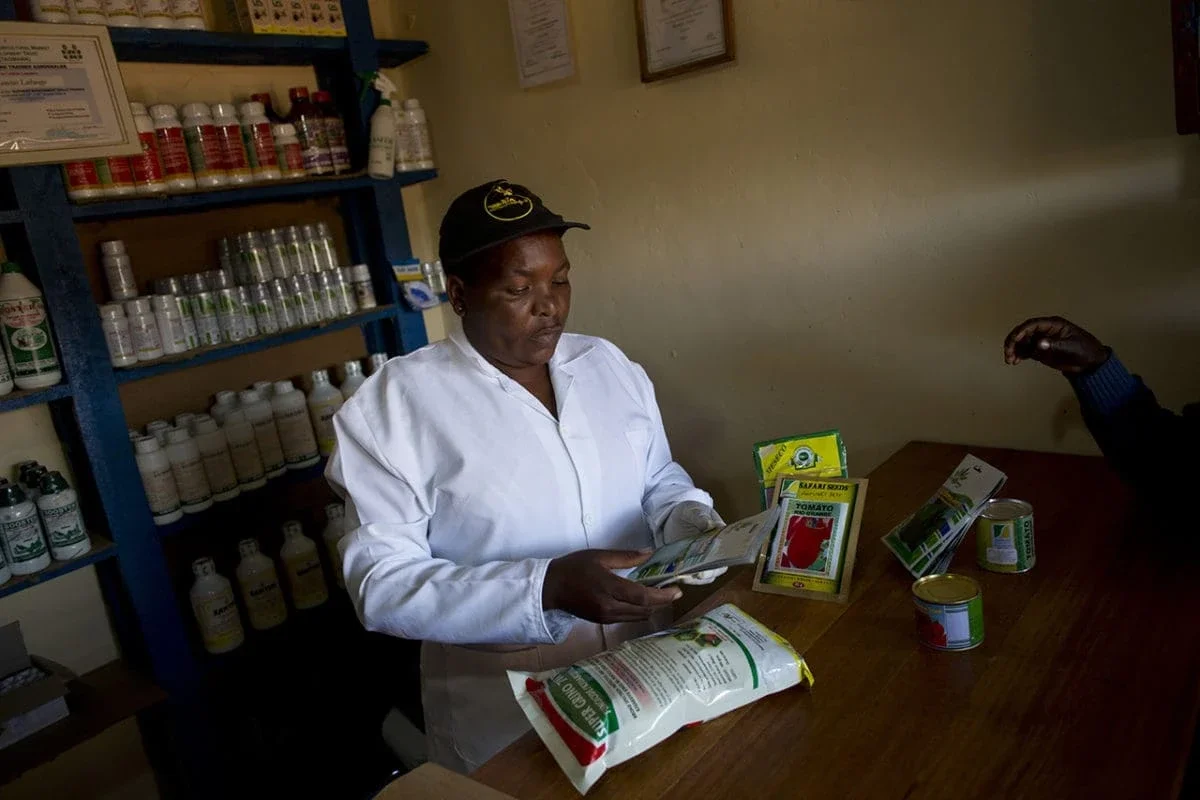
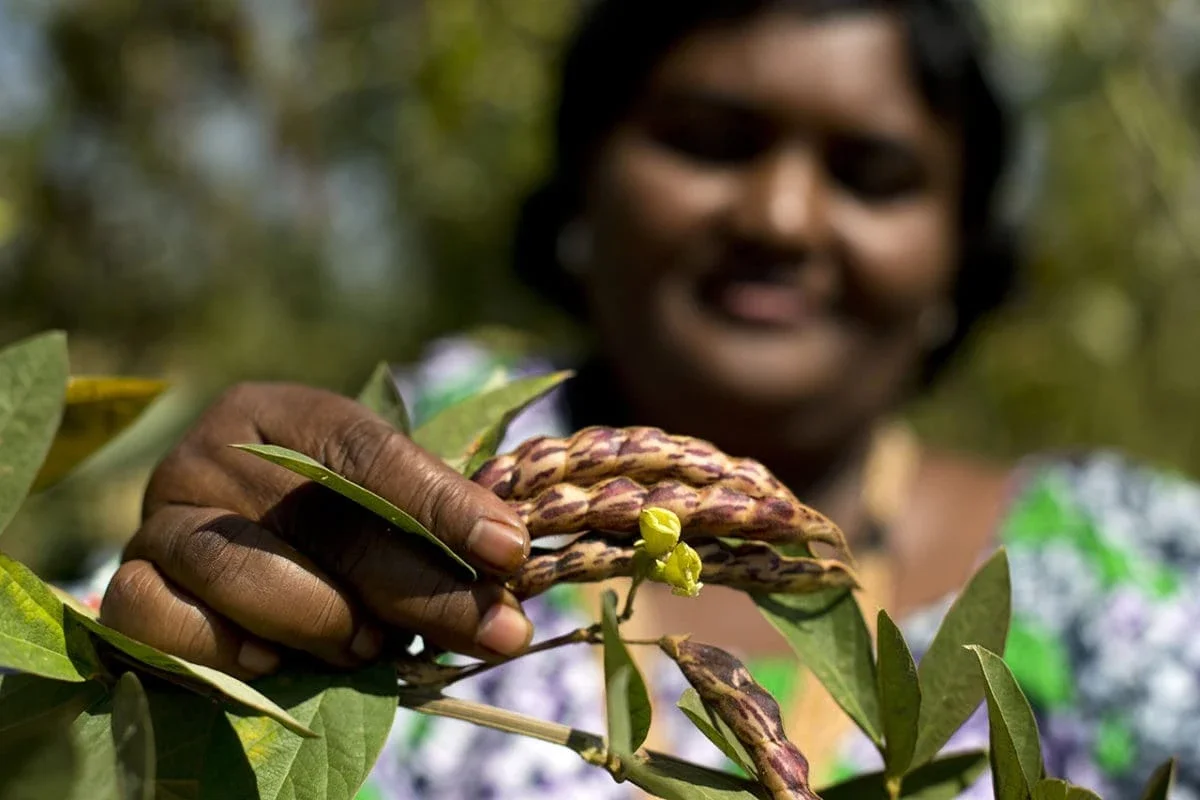
plant better seeds
- 0%%
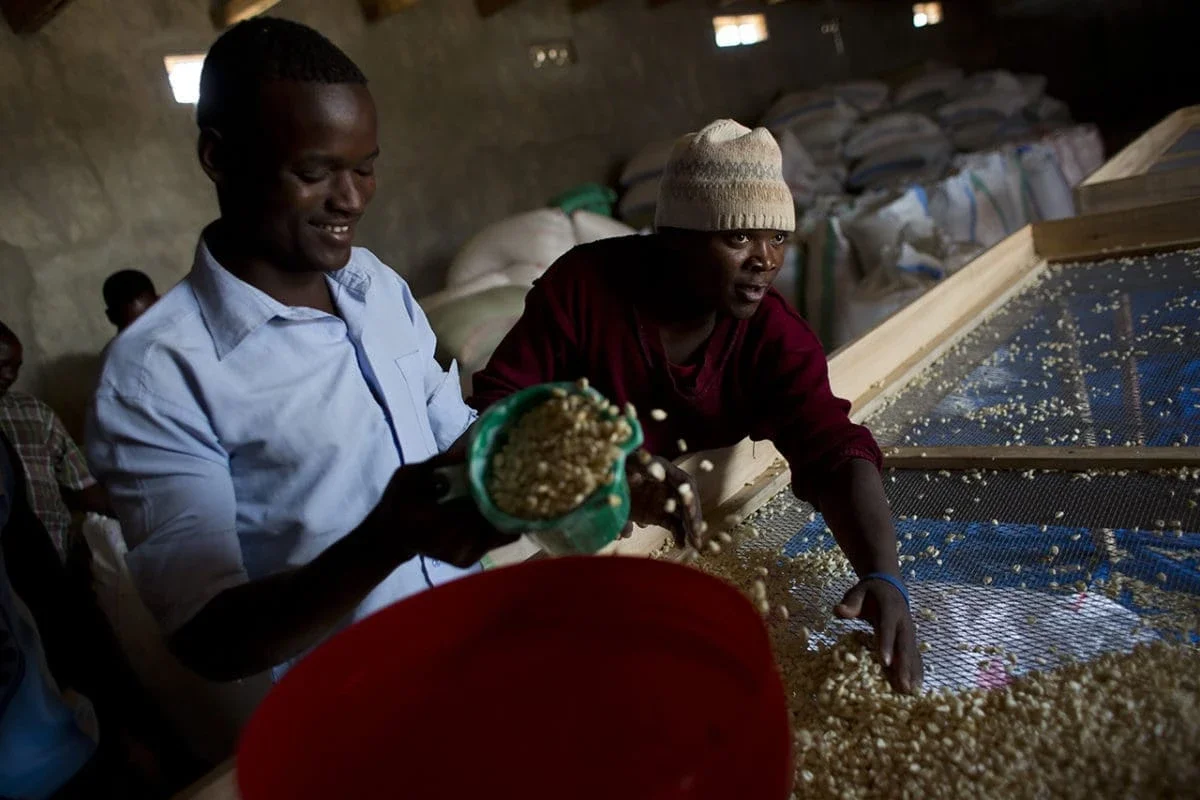
have improved their post-harvesting practices
What We Learned
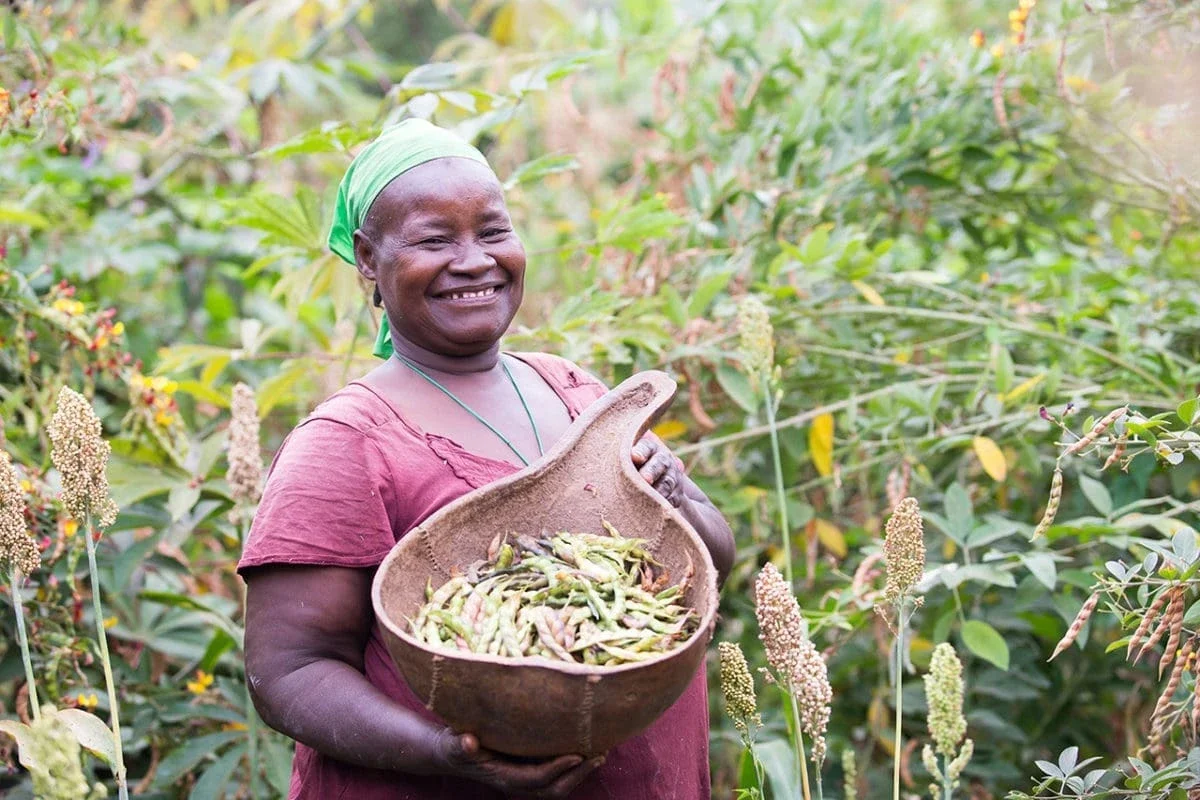
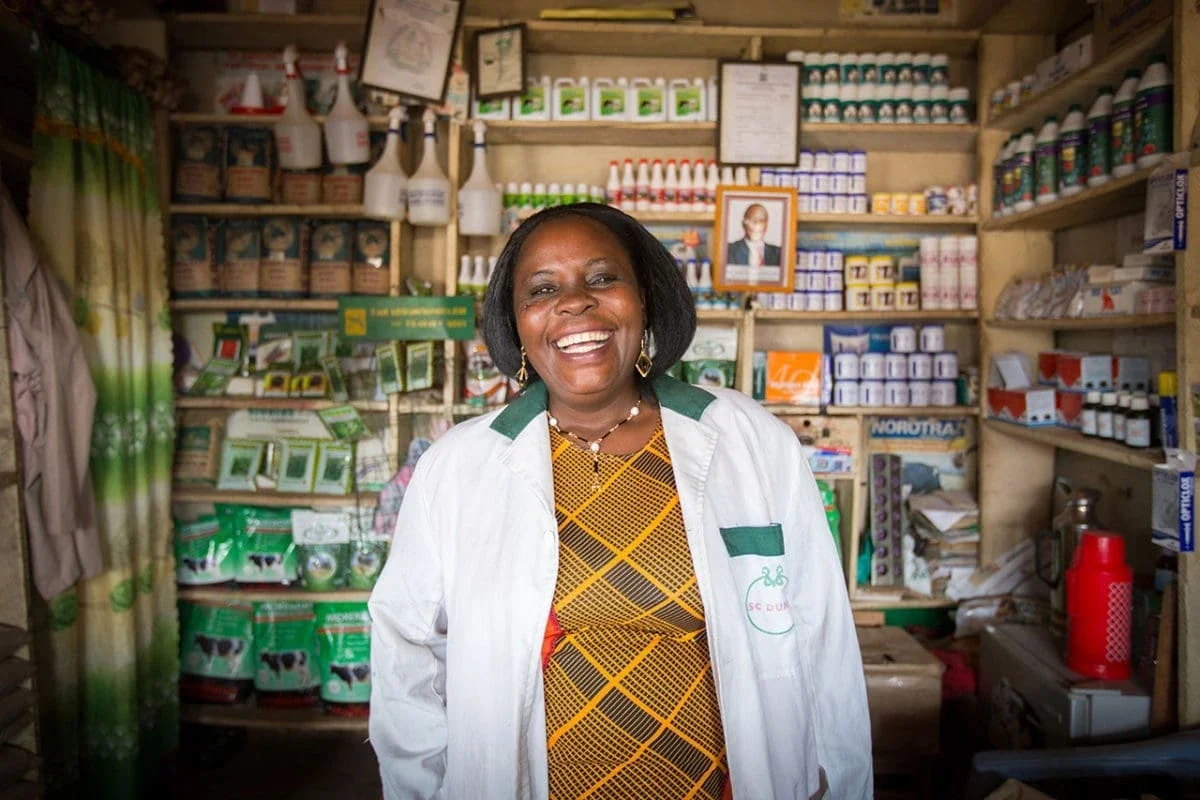
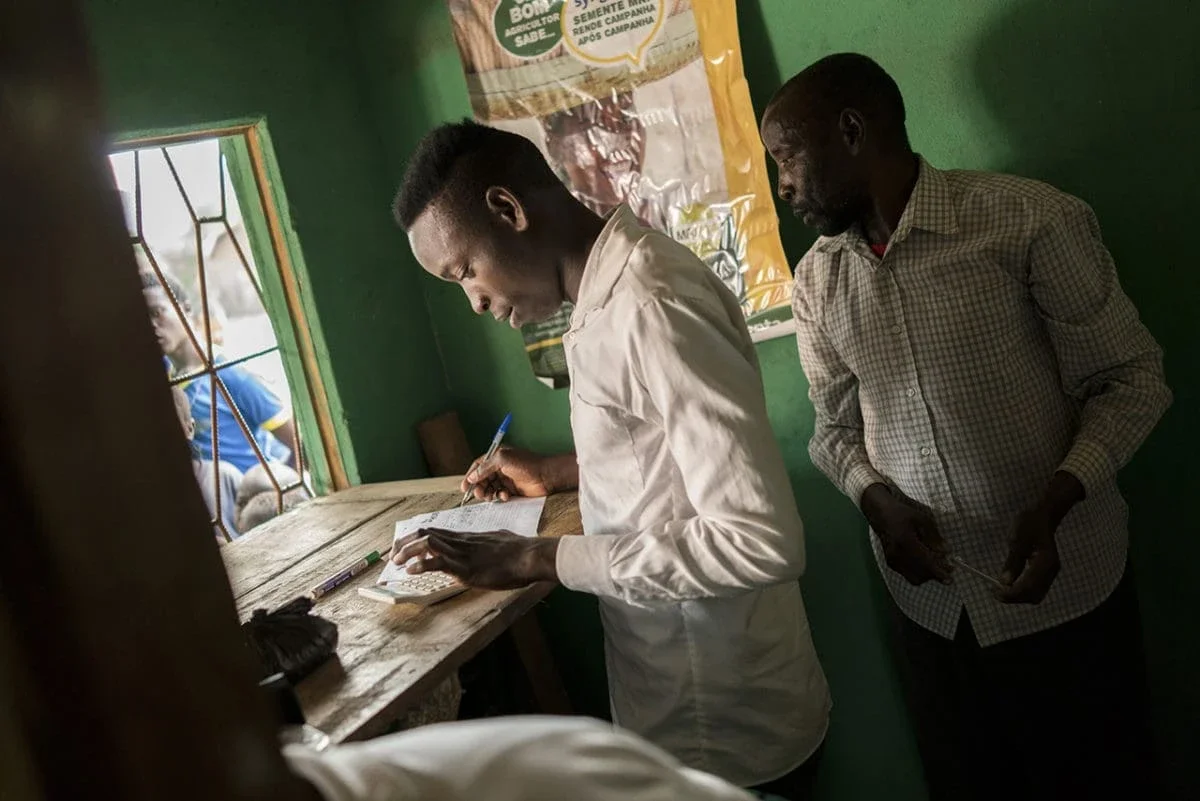
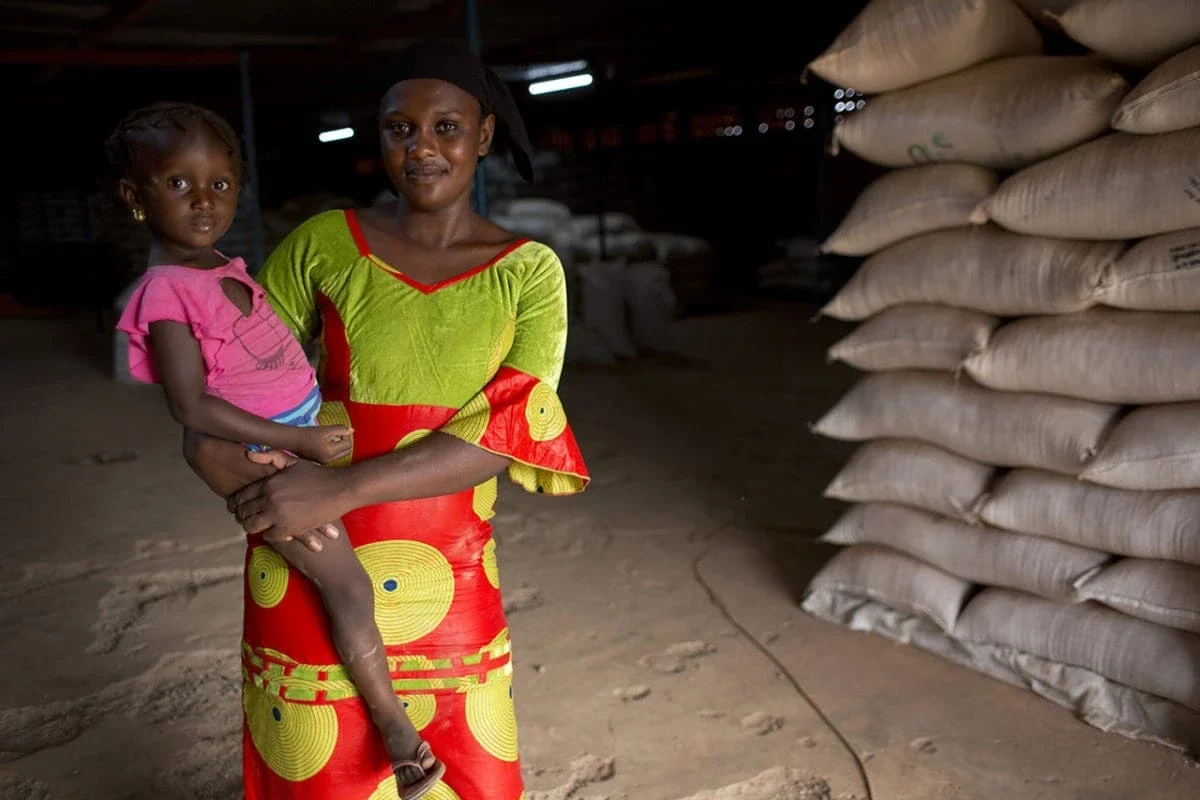
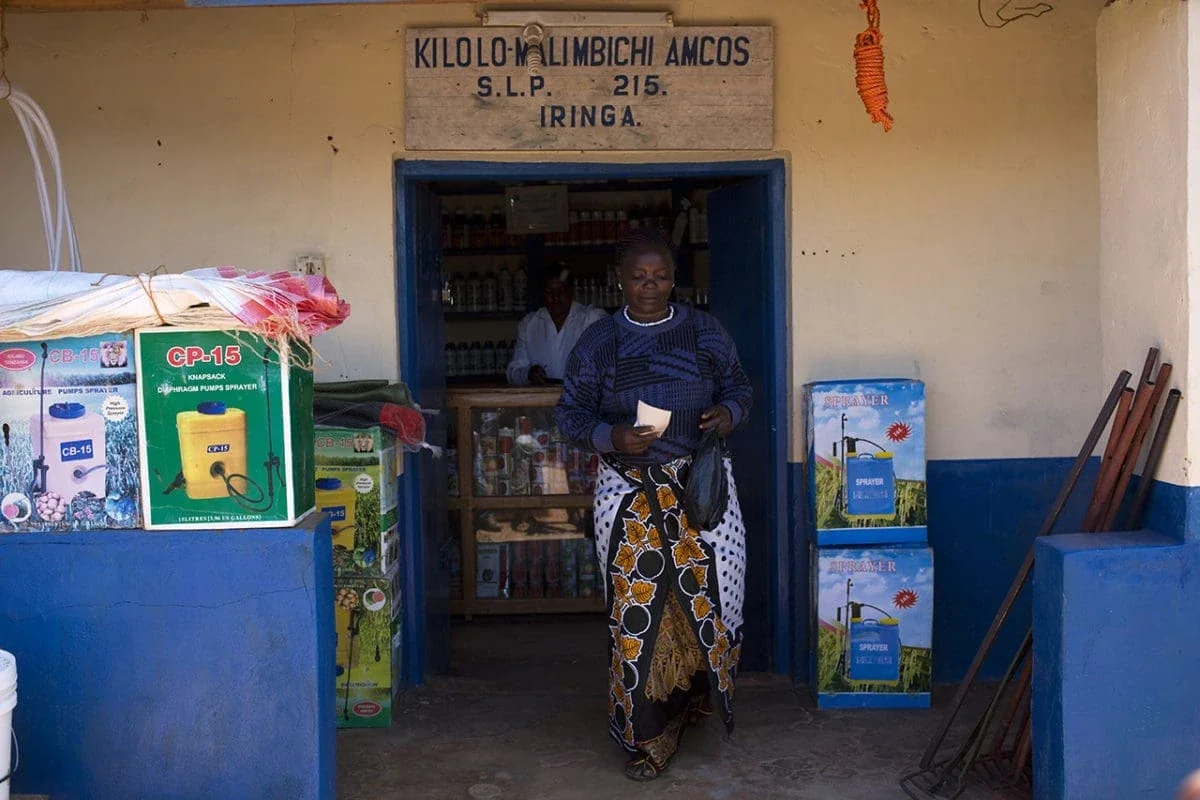
In addition to teaching better farming practices, AGRA advocated for 42 public policy reforms that benefitted smaller farmers while mobilizing $1.3 billion in new investments in agriculture. AGRA helped smallholder farmers, especially women, get access to land and affordable financing.
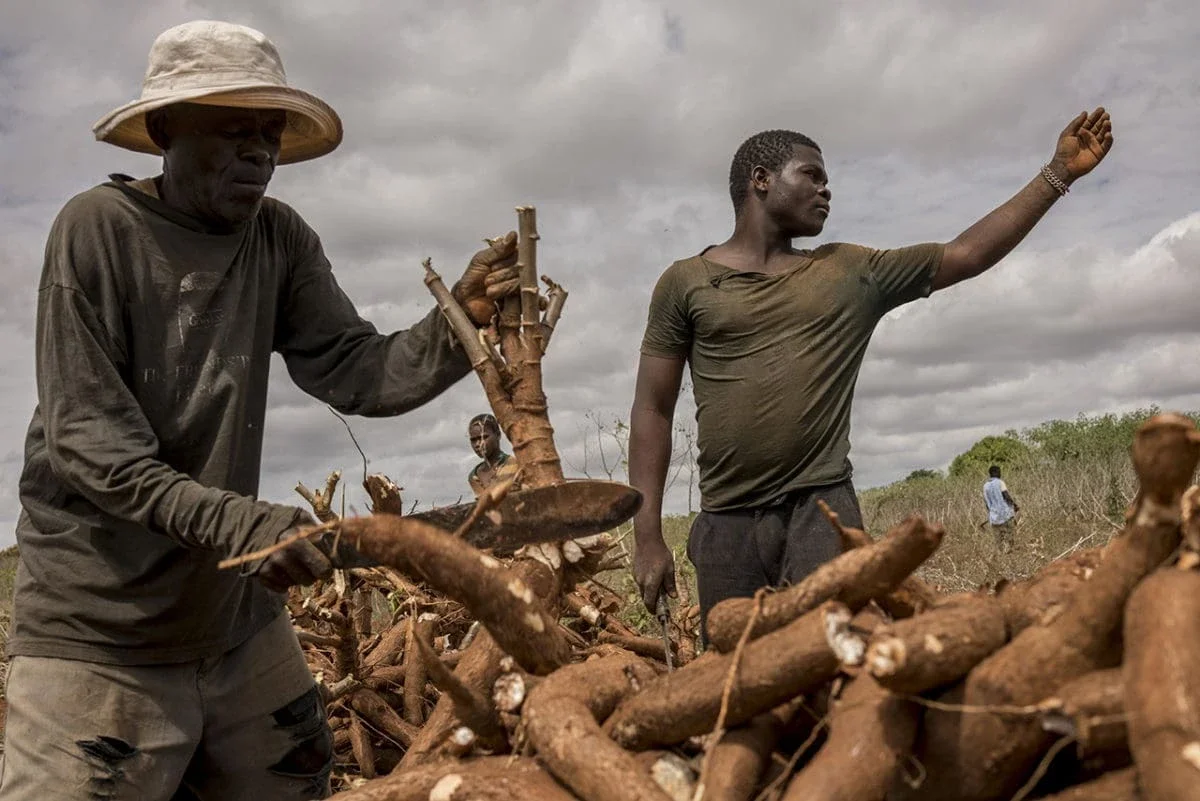
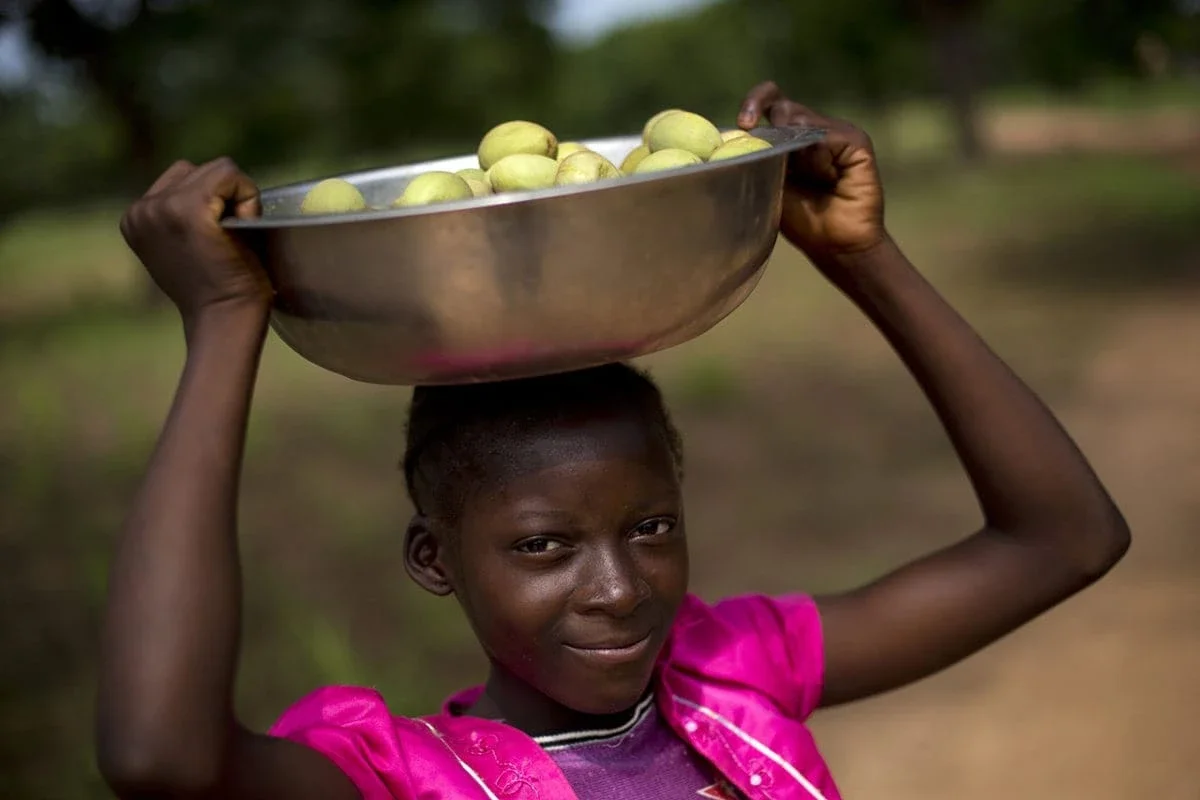
That translated into real-life improvements: 900,000 African schoolchildren have access to nutrient-rich and locally-sources meals due to AGRA’s efforts. Overall, African farmers are better equipment to produce high-yield, sustainable crops while reducing the food insecurity of both their own families and millions of others in Africa. The results demonstrate that AGRA is a model for the type of impact The Rockefeller Foundation and its partners can make on critical challenges around the world.