All Grantee Impact Stories / All Grantee Impact Stories Grantee Impact Story

How Power Turns Farms into Market Makers

Ciku Kimeria — Featured Writer

Aerial view of solar cold-room at Urban Valley Herb Farm. Each unit can store up to 5 tons of produce.

Work looks very different these days at the Urban Valley Herb Farm in Kikuyu town, 20 kilometers from Nairobi.

Not long ago, the one-acre farm only came alive after sunset. Heat dictated everything. To keep basil, rosemary, oregano, chives, and other herbs from wilting, harvesting had to happen at night, when temperatures were low enough to preserve freshness. Farmers relied on improvised charcoal cooling methods, racing against time and spoilage.

But this recently changed with the introduction of solar-powered cold rooms by SokoFresh, a company addressing the critical challenges of poor post-harvest handling of perishable produce and unstructured market access for farmers in Kenya. With on-site, temperature-controlled storage, harvesting can now occur throughout the day. Produce stays fresh. Work ends earlier. And women who once avoided night shifts — or took them on with great difficulty — are now able to take on stable, paid roles.

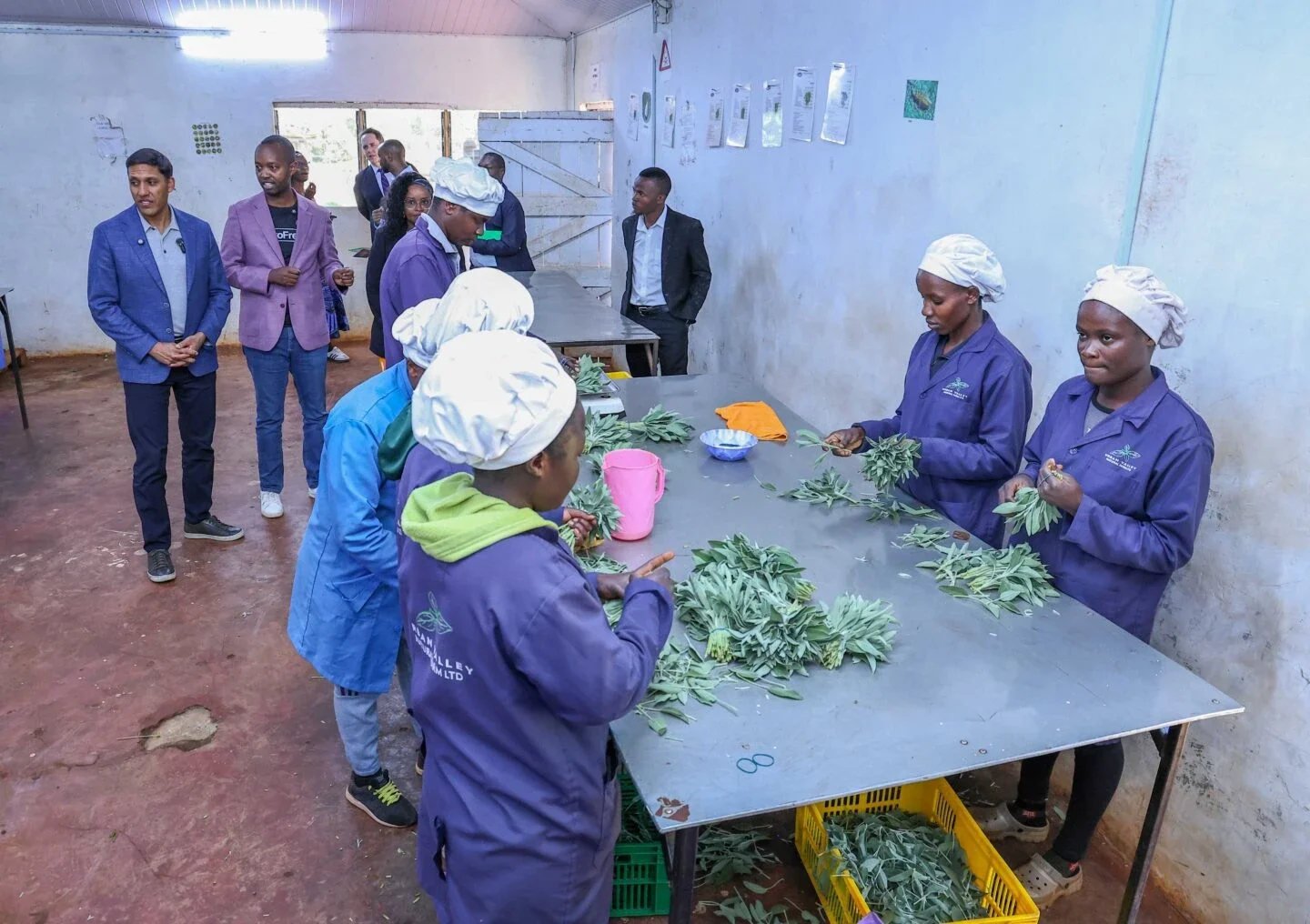
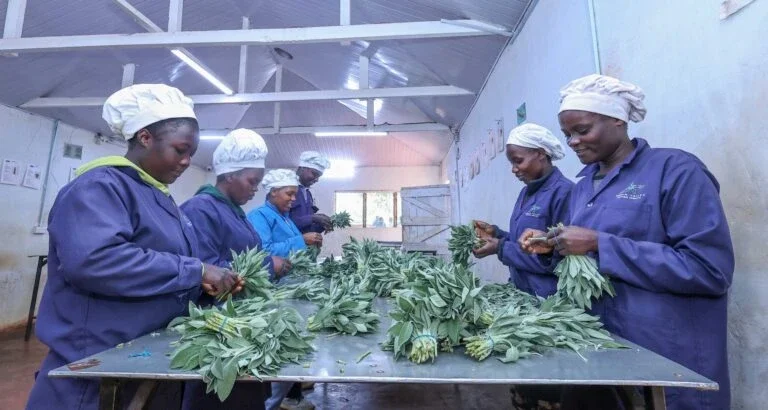
  • Workers at Urban Valley Herb Farm sort out herbs.

These solar cold rooms, financed through the Productive Use Financing Facility (PUFF) — a flagship initiative of the Global Energy Alliance and The Rockefeller Foundation — are advancing our goals to bring reliable, affordable, abundant electricity to millions.

Walking through the farm, Carol Koech, Vice President for Africa at the Global Energy Alliance, says, “The Productive Use Financing Facility has enabled farmers and small businesses to access equipment they simply would not have afforded without the subsidy.”

That single change — daytime harvesting backed by reliable cold storage — has transformed the farm’s future. Post-harvest losses have dropped from 40 percent to under 5 percent. What was once a race against time has become a predictable, market-ready operation.

The impact is visible in scale. Since installing the cold room, the farm has expanded from one acre to four. With the ability to store up to five tons of produce in each cold storage unit, farmers no longer gamble on weather, middlemen, or same-day sales. Instead, they can aggregate produce, meet quality standards, and supply consistent volumes to high-value domestic and export markets.

“The support offered under PUFF has helped us advance our goals by catalyzing over a dozen cold storage units at subsidized prices,” he says. “This has allowed us to refine our pricing model and make cold storage available to rural outgrower farmers at rates they can afford. It has also enabled us to offer these cold storage units on both lease and lease-to-own terms — options that would otherwise be out of reach for most farmers.”

Workers have benefited as well. With cooling removing the pressure to harvest within narrow nighttime windows, jobs have become more stable and better paid. Wages have more than doubled, as farms are now able to run multiple shifts and fulfill back-to-back orders.

Breaking the Cycle of Loss

Post-harvest loss has long been a silent drain on African agriculture, with Kenya alone losing an estimated $500 million annually due to spoilage. Cold storage breaks that cycle. Export rejection rates for some crops have dropped from 40 percent to about 10 percent.

“Cold storage breaks the idea that losses are normal,” Karema explains. “Once farmers see what’s possible, they don’t accept waste anymore.”

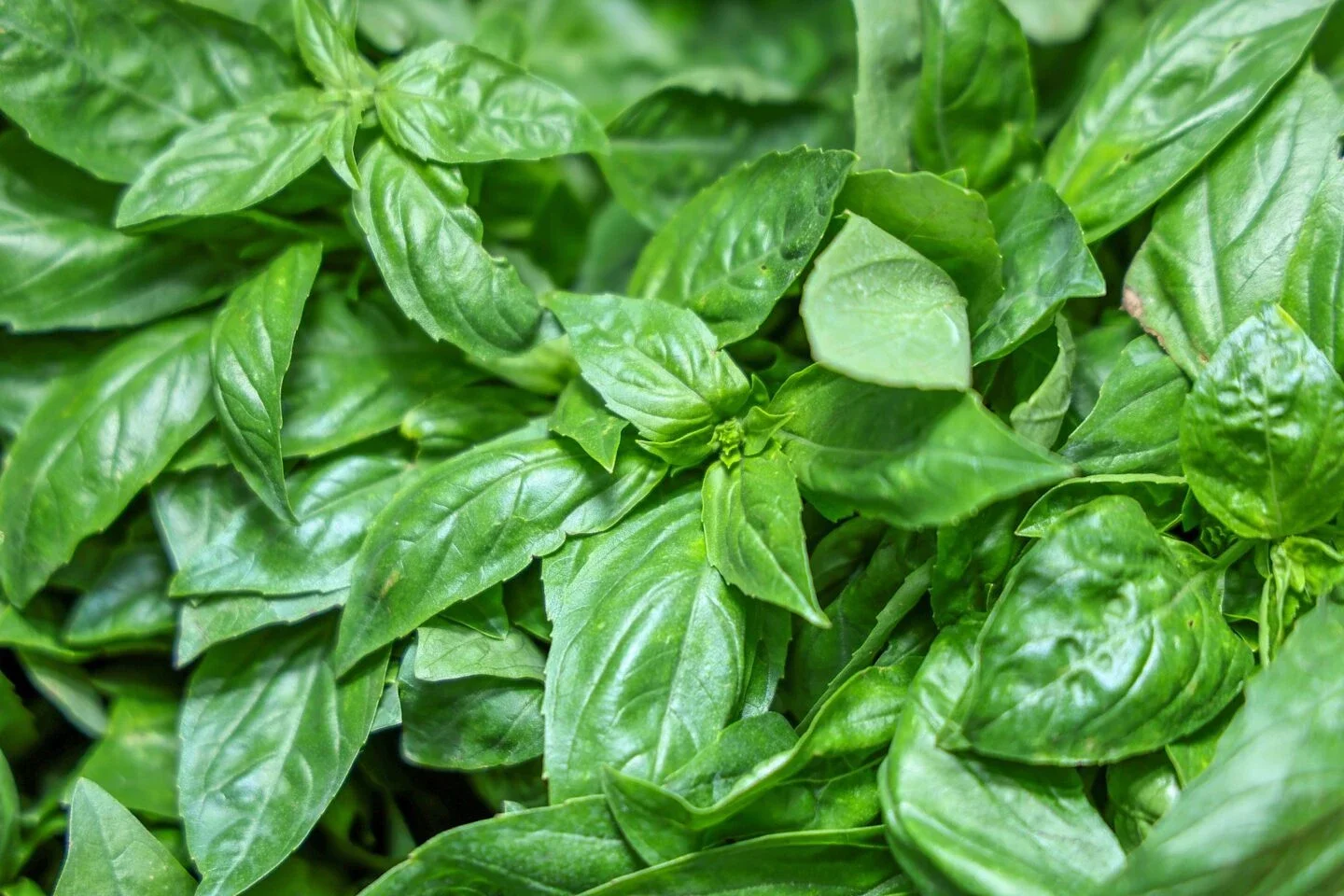
  • Fresh basil leaves harvested from a farm powered by reliable electricity.

He recalls growing up in a farming community in Murang’a, in central Kenya, and watching his grandmother work tirelessly — resigned to the fact that a portion of her tea harvest would always spoil after picking.

The income effects ripple outward. Independent impact assessments conducted by SokoFresh show that when farmers earn more, they reinvest — not in short-term consumption, but in school fees, land leases, and productive assets — building long-term household resilience.

Mission 300 — the Largest Electrification Effort in African History

The changes on this farm reflect a larger shift underway. The efforts align with the goals of Mission 300 — the largest electrification effort in African history — which aims to connect 300 million Africans to electricity by 2030. The ambitious initiative is led by the World Bank and the African Development Bank, and supported by The Rockefeller Foundation, Global Energy Alliance, and SEforAll. But as leaders involved in the initiative emphasize, the real measure of success is not the number of connections alone.
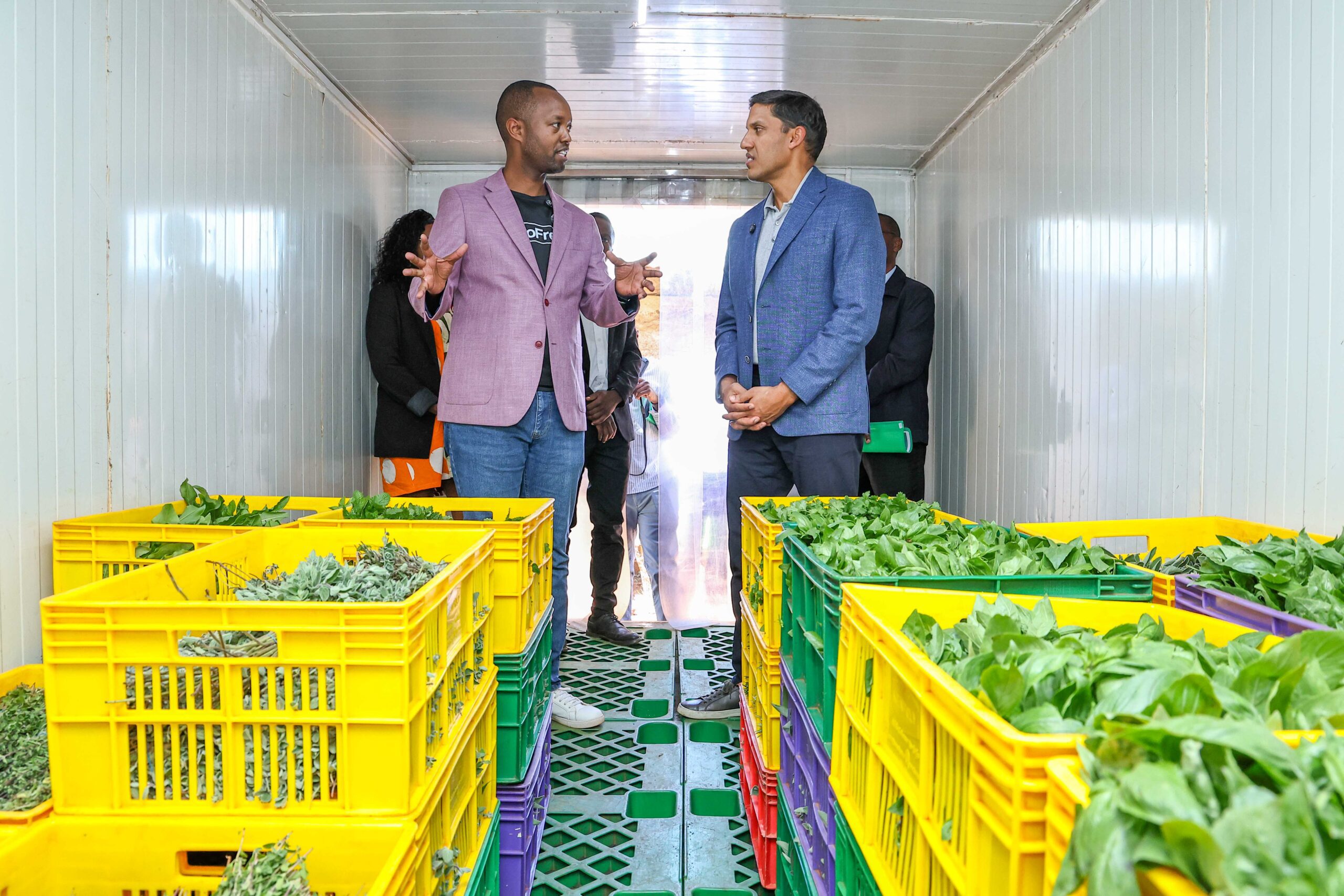
Leaders tour a refrigerated storage facility, where reliable electricity helps preserve fresh produce and reduce post-harvest loss.

Mission 300 is not just about turning on the lights,” says Rajiv Shah, President of The Rockefeller Foundation, during the visit. “Because energy access is a fundamental driver of job creation, Mission 300 is the biggest jobs program on the continent.”

That philosophy is what makes SokoFresh’s model significant. By combining renewable energy, cold-chain logistics, digital payments, and market linkages, the company turns electricity into demand — ensuring power is not just available, but economically productive.

For buyers, it means reliable, traceable supply. For farmers, it means higher incomes and predictable cash flow.

For us to achieve universal energy abundance, this is the blueprint: energy that powers enterprises, creates jobs, and integrates rural producers into regional and global markets. Here, electrons do more than flow — they unlock exports, livelihoods, and growth that can scale far beyond a single farm.
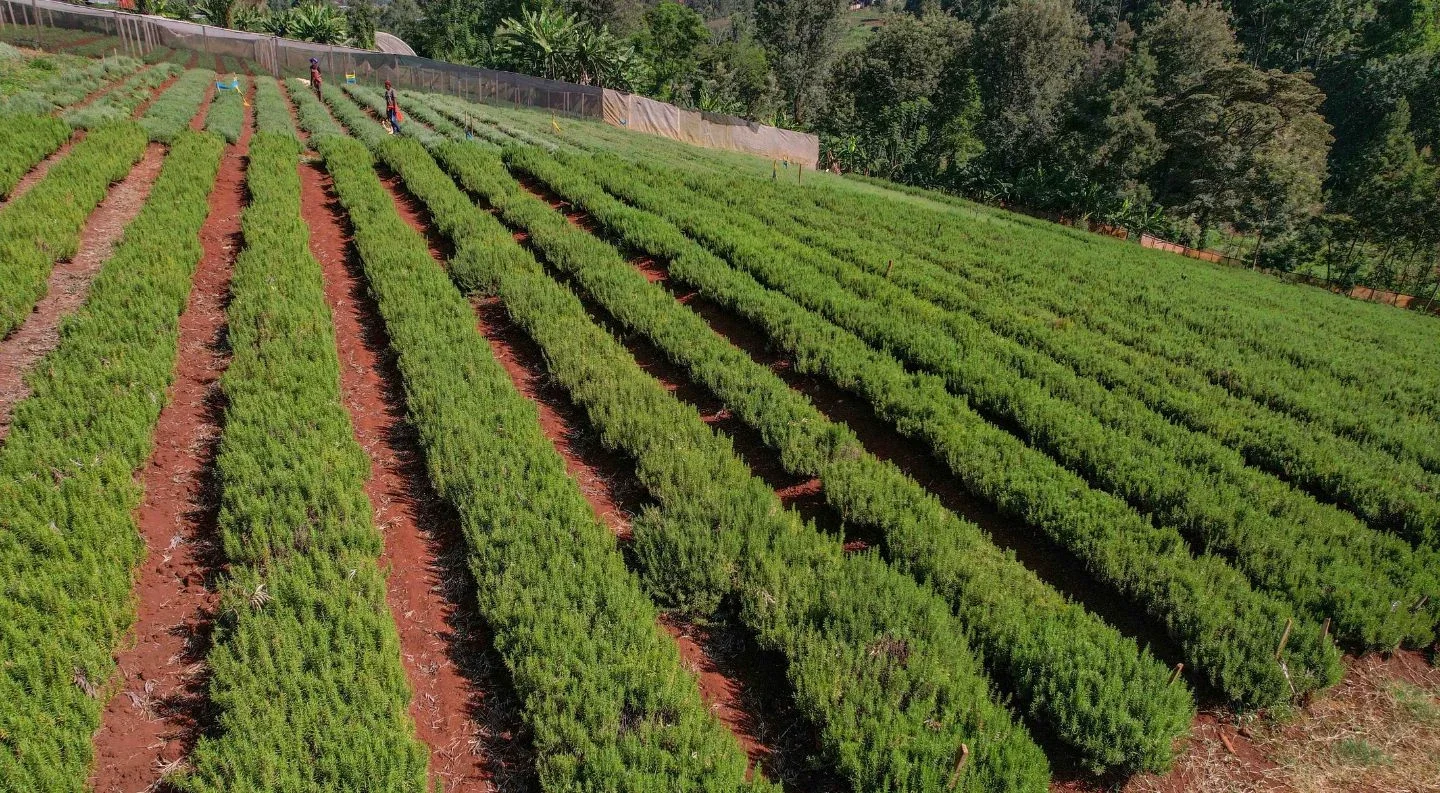
  • Ordered rows of crops signal a new era of productivity powered by reliable energy.

Read More