Global challenges — pandemics, hunger, climate change, and financial instability — require bold, coordinated action. The tools exist. The data is clear. If we work together, we can build our shared future.
Here’s What’s at Stake:
- $0BillionBillion
projected global aid cuts
in 2025
- 0MillionMillion
people could be saved
if we act
- 0MillionMillion
children could be saved
if we act
These projections are based on a new peer-reviewed study published in The Lancet Global Health by the Barcelona Institute for Global Health (ISGlobal), with support from The Rockefeller Foundation. The analysis examines the human impact of severe global aid cuts across 93 low- and middle-income countries.
Source: The Lancet Global Health
read the reportStay informed and help shape global cooperation that saves lives.
These risks are unfolding within global systems already under strain.
Global Systems Are Struggling to Meet 21st-Century Threats
For too long, systems designed in the 20th century have been used to address 21st-century crises. From humanitarian assistance to food security to global health, vulnerable populations remain at risk. Now, with geopolitical shifts disrupting the status quo, the world has a chance to rethink how we work together — more efficiently and more effectively.
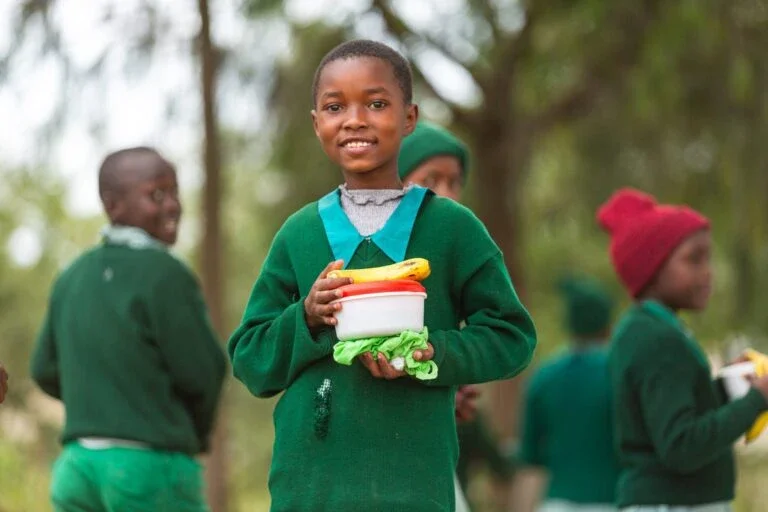
Despite these challenges, global cooperation has already proven it can deliver results.
- Report
A Mandate for International Cooperation: G20 Popular Opinion on Global Action
A follow-up survey of nearly 20,000 people across 18 G20 countries reveals strong support for international cooperation, with 60% willing to accept national compromise to solve global challenges. Preventing wars, providing access to food and clean water, and tackling climate change topped the list as priority issues for respondents. Read the latest survey for more.Explore the Data - Report
Demanding Results: Global Views on International Cooperation
A new survey of more than 36,000 people from across 34 countries shows that while people believe in global cooperation, they are hungry for more effective systems. In fact, 75% of people would support their country working with others if it's proven to solve global problems. Read the latest survey for more.Explore the Data
The question isn’t whether cooperation works — it’s how we scale it.
How we can build the shared future.
We’re focused on evidence-driven, high-impact areas where coordinated action can save lives and strengthen communities.
1. International Collaboration
2. Humanitarian Food Systems
3. Global Health
In the News
- Feb 03 2026In the News The Cost of International Development Aid Cuts: 22.6 Million Deaths Expected by 2030, Study Finds Source: euronews.com
- Feb 02 2026In the News Aid Cuts Could Cause 22m Avoidable Deaths by 2030, Study Finds Source: theguardian.com
- Feb 02 2026In the News Nearly 23 Million Extra Deaths Worldwide by 2030 as Aid Cuts Bite, Study Says Source: independent.co.uk